
Back for Seconds… What to Eat in Mexico 🇲🇽 (Part 2)
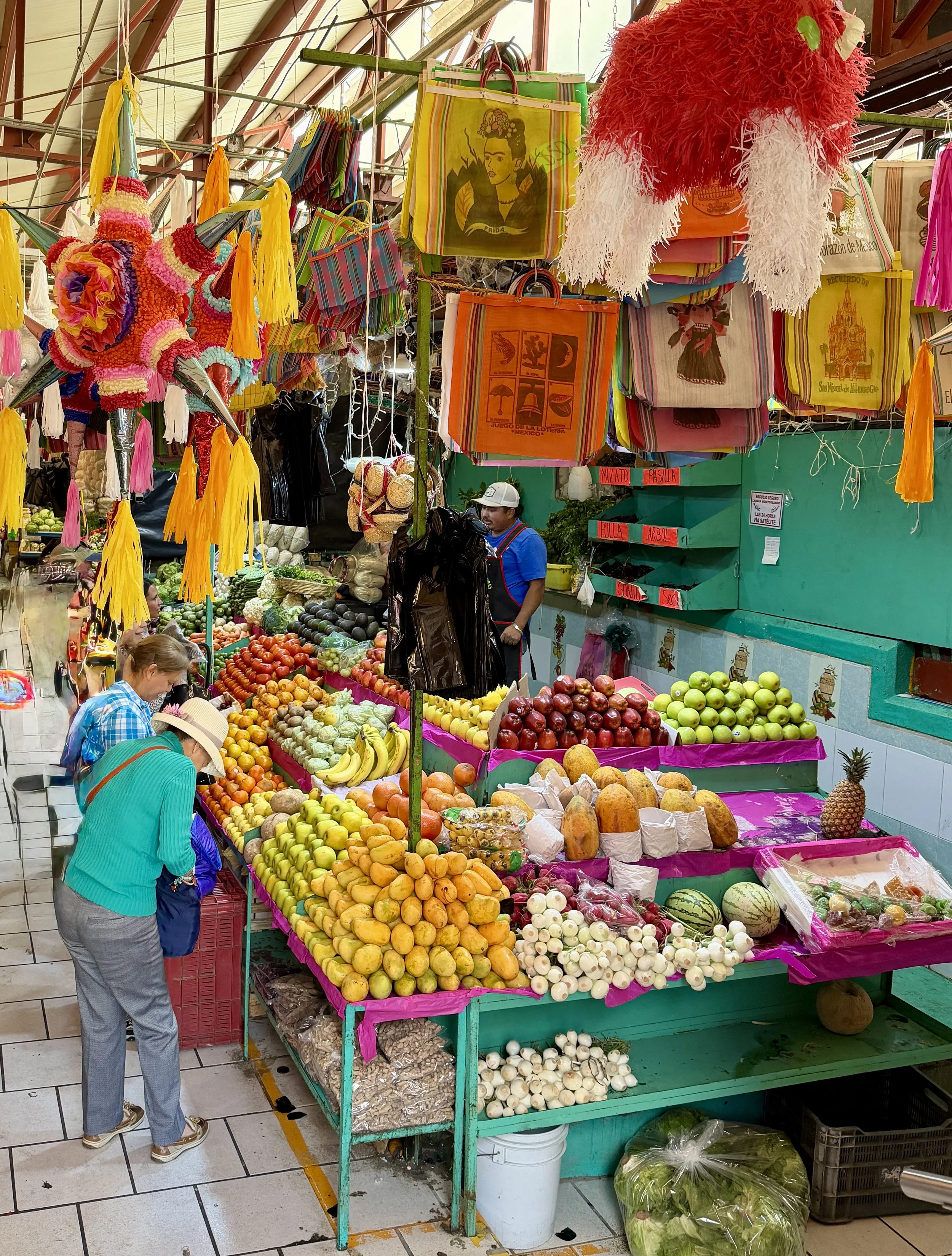
From San Miguel de Allende’s vibrant markets to a quick taste of Guanajuato, we followed the food wherever it led us.
Like I mentioned in Part 1, even though we’re in Central Mexico, seafood is everywhere. That said, it’s usually not the #1 protein you’ll see on most menus—and definitely not with street vendors.
Statistically, chicken is the most consumed meat in Mexico, followed by pork and beef.
What really stands out, though, is how balanced and rooted the Mexican diet is. It’s built around whole foods—corn, beans, squash, chili peppers, and fresh vegetables—simple ingredients that come together with a ton of flavor.
Corn (Maize): The Foundation of Mexican Food
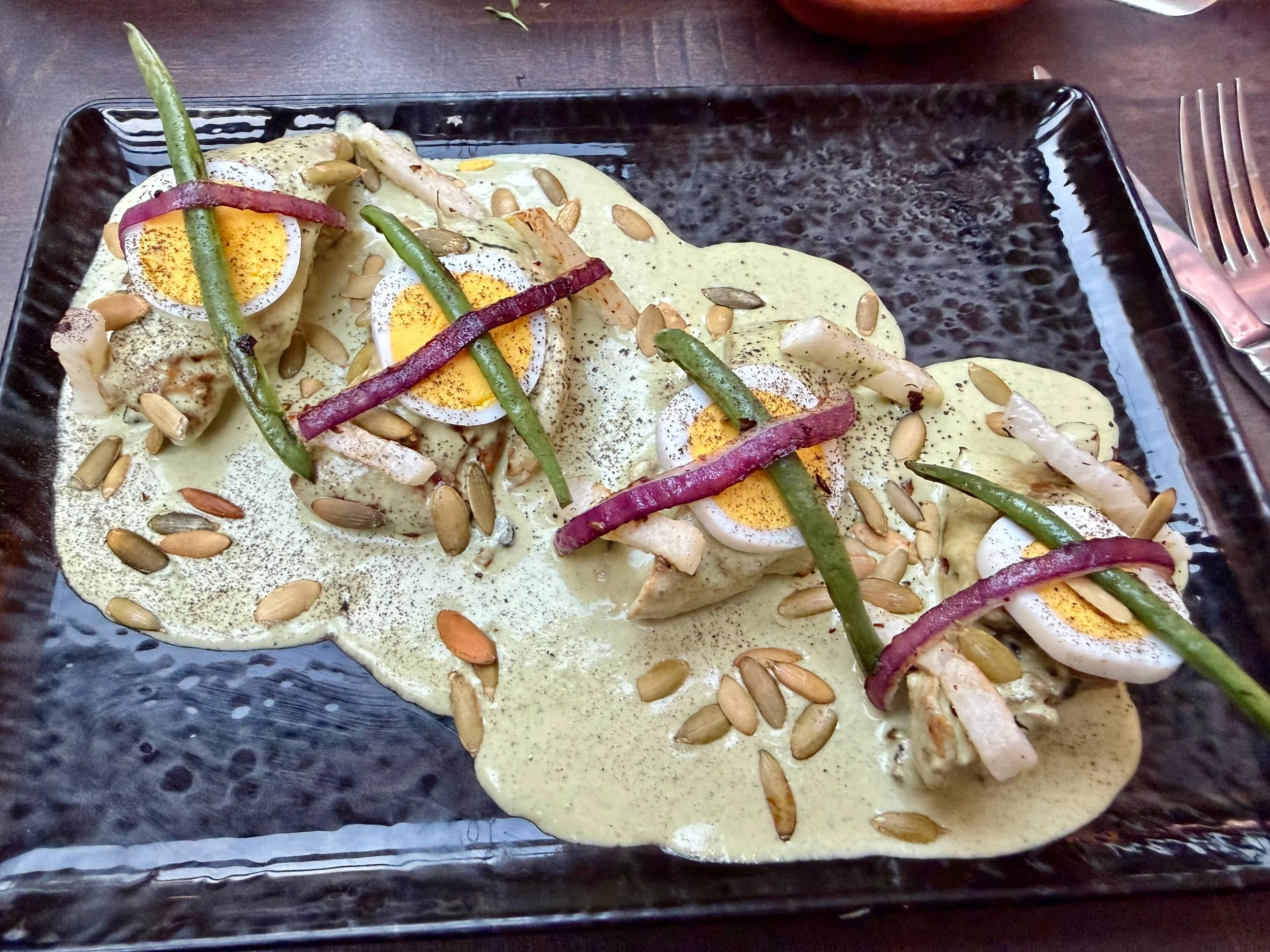
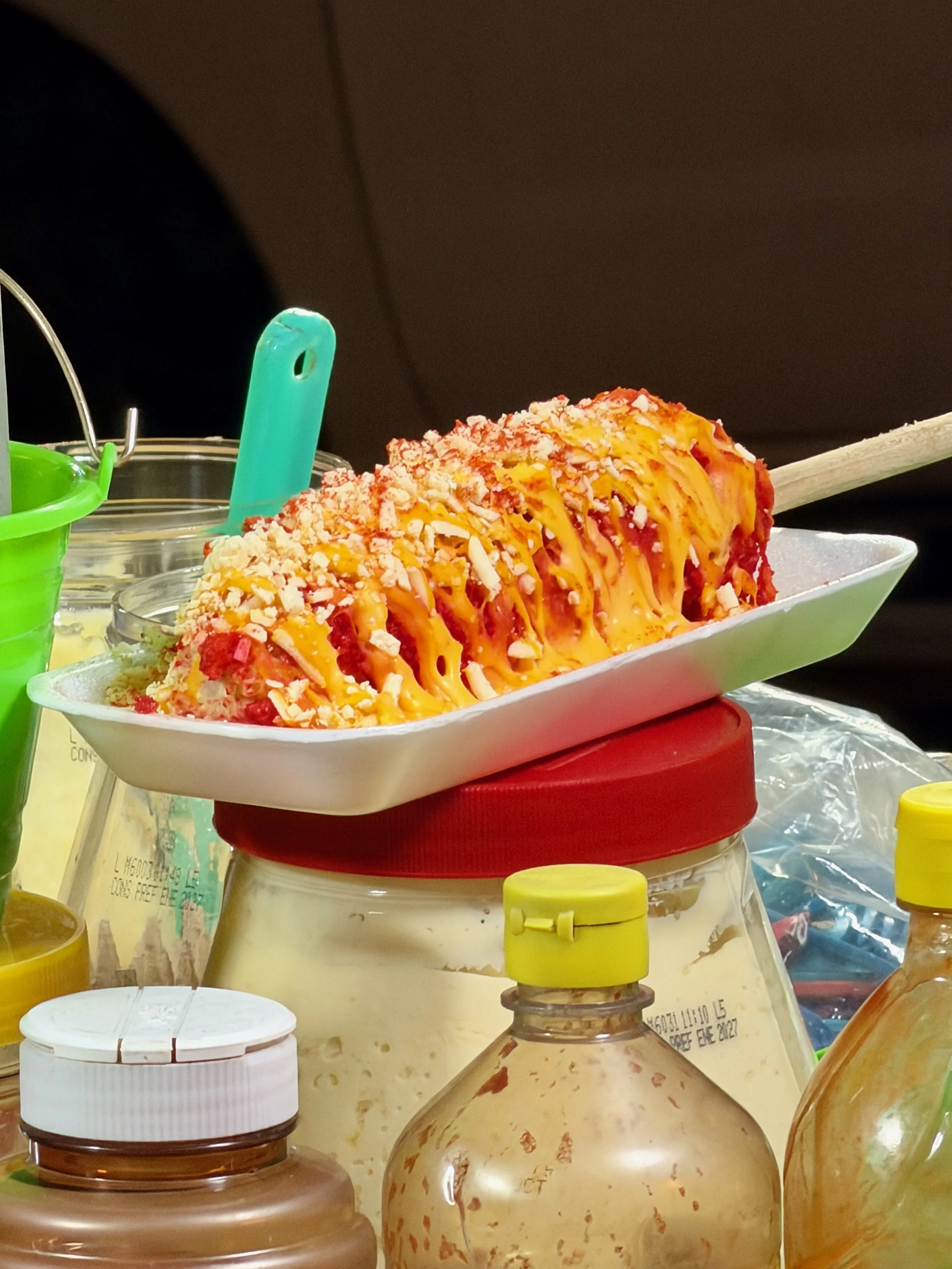
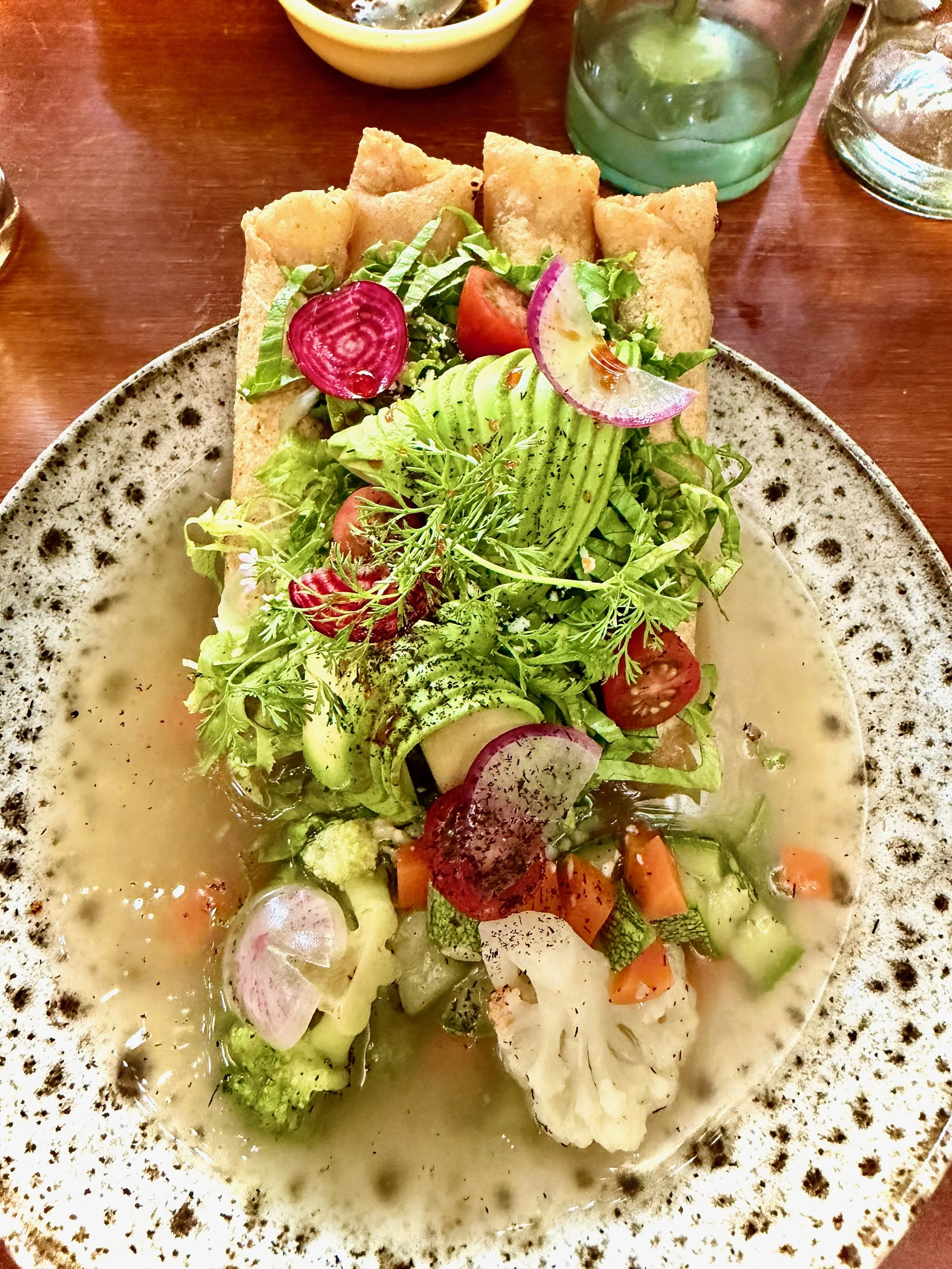
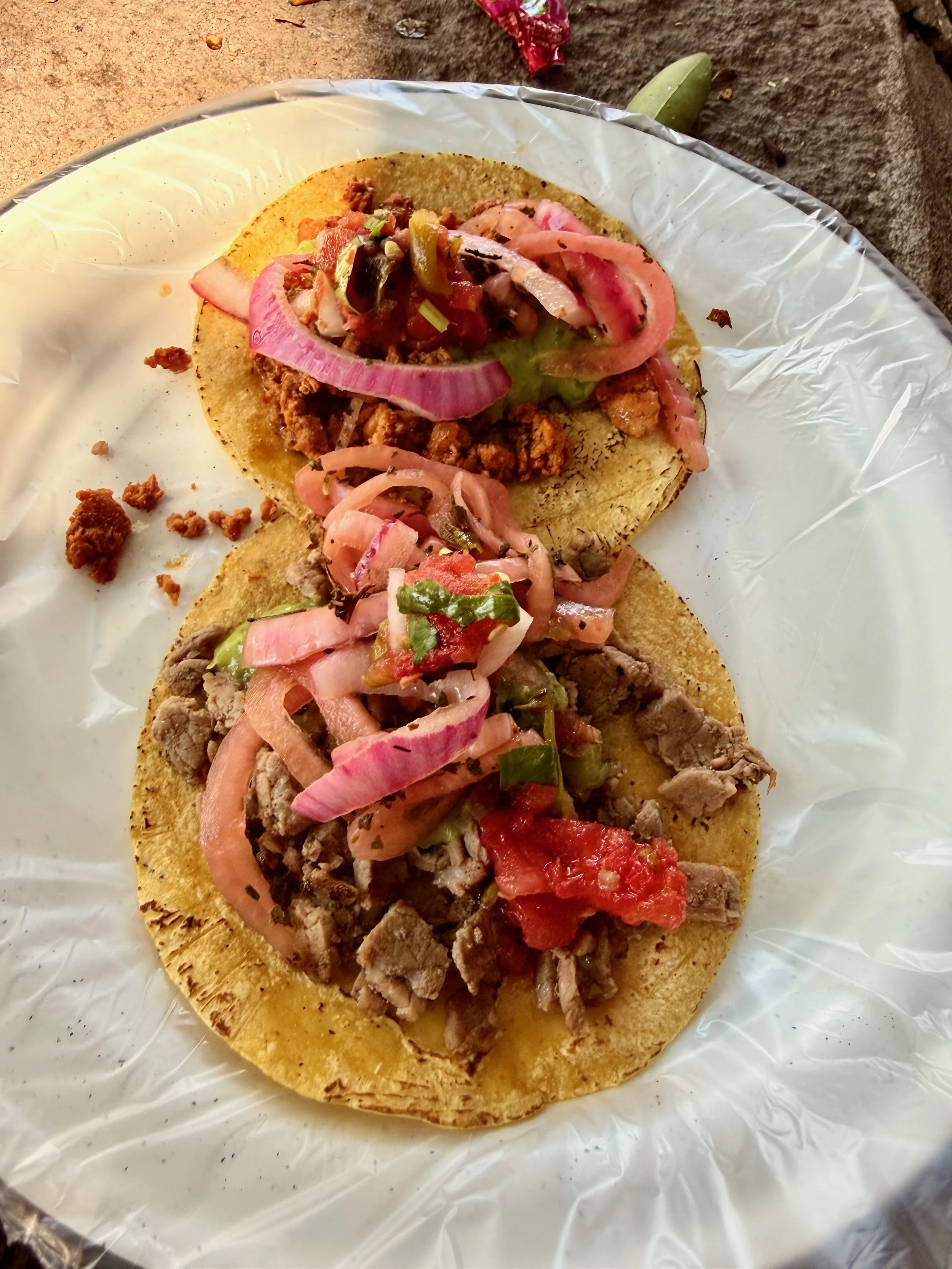
Corn is everywhere in Mexico. Tacos, tostadas, enchiladas, tamales, tortilla chips—it all starts here.
And the tortillas? Completely different than what we’re used to in the States. They have a deeper corn flavor and a more satisfying bite.
You’ll also see tortillerías all over San Miguel de Allende—small shops making fresh tortillas daily and selling them by weight. The process hasn’t really changed over time. The dough (masa) is still made from corn treated with lime and water, just like it’s been done for generations.
Beans in Mexico: Not Always on Every Plate
Beans—both whole and refried—show up often, but not always.
One thing we’ve noticed is that, unlike in the U.S., beans aren’t automatically served with every meal. Back home, they tend to be a standard side. Here, it depends more on the dish.
Fresh Vegetables & Salsa: Where the Flavor Comes From
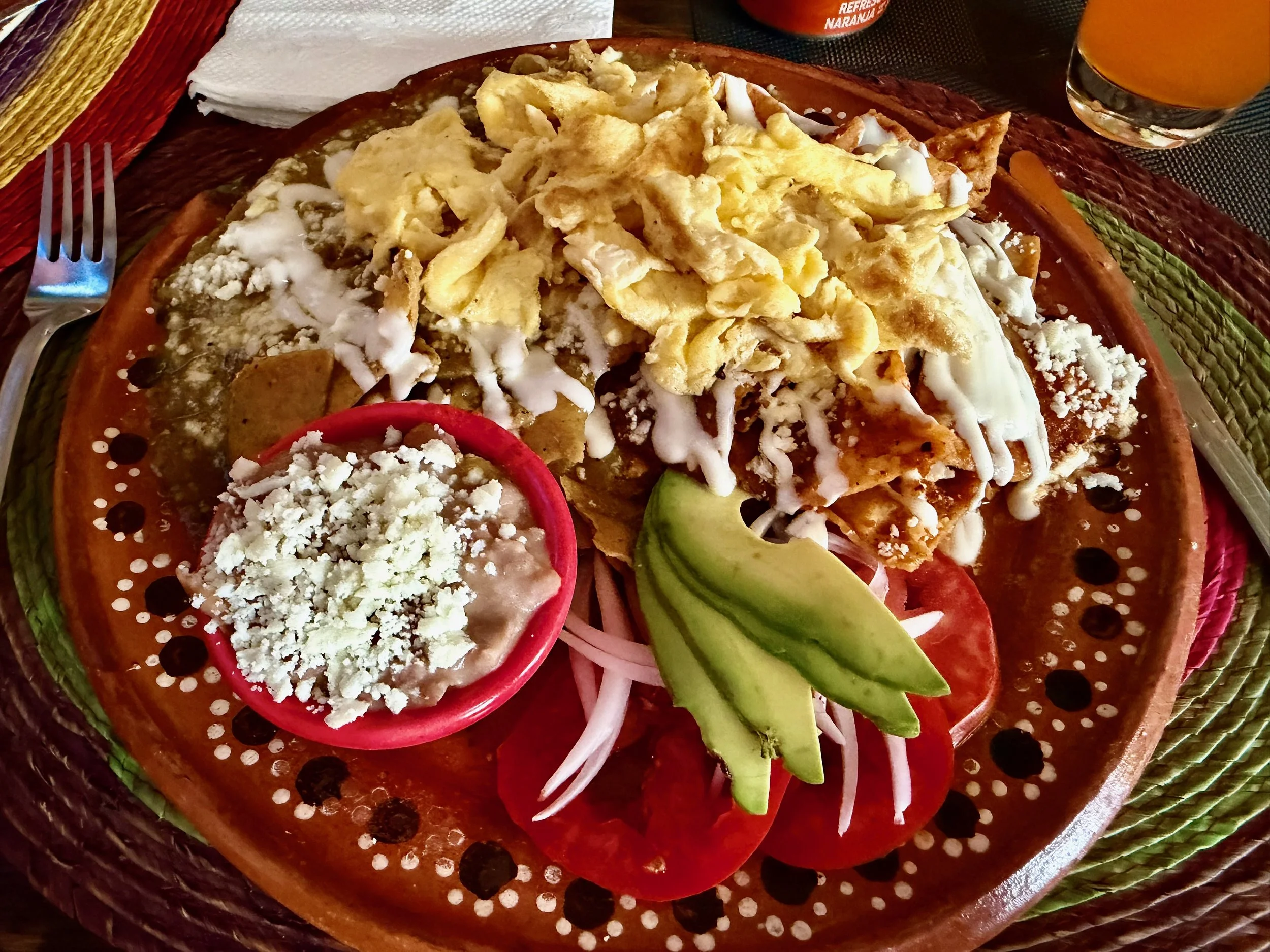
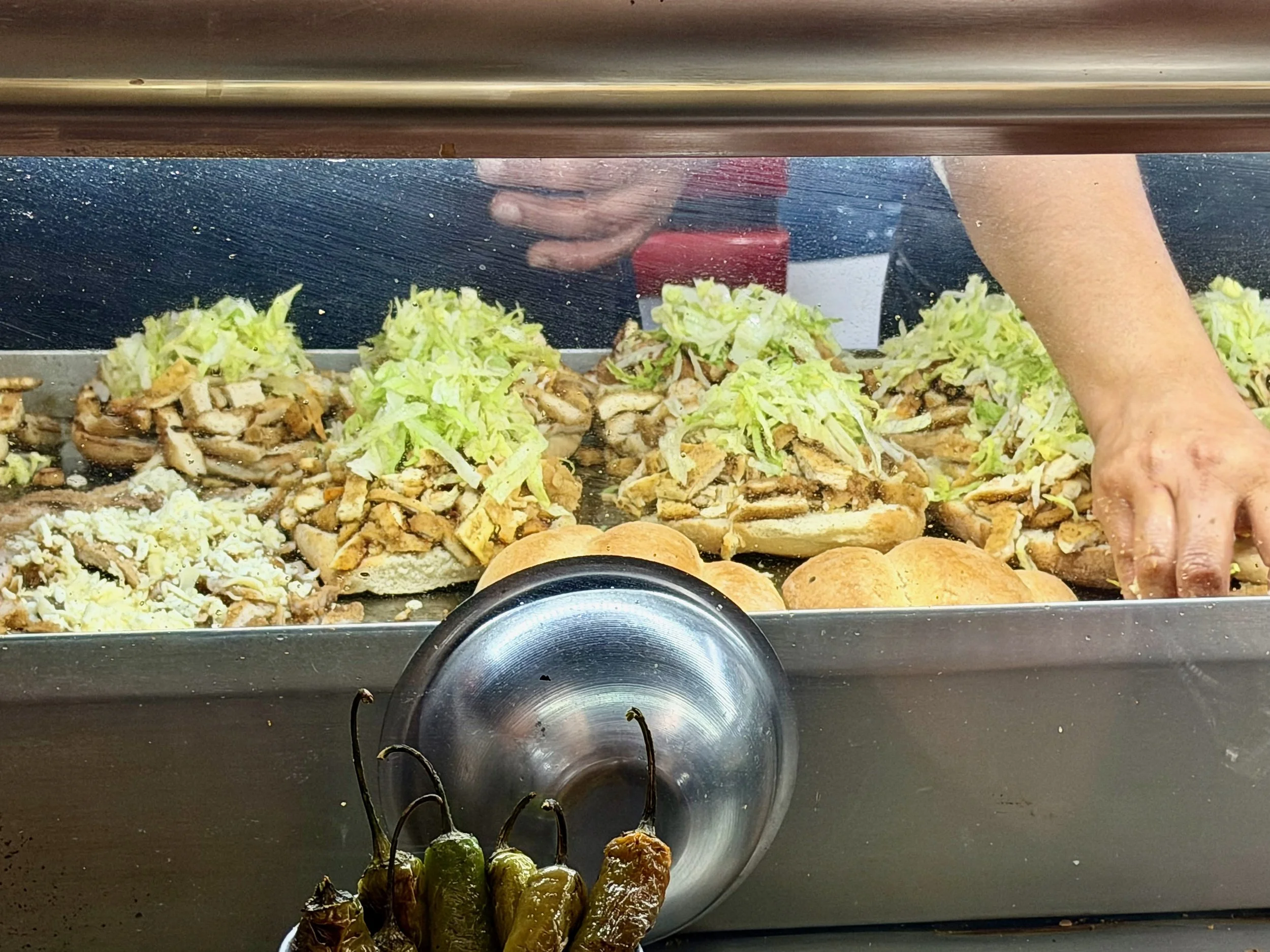
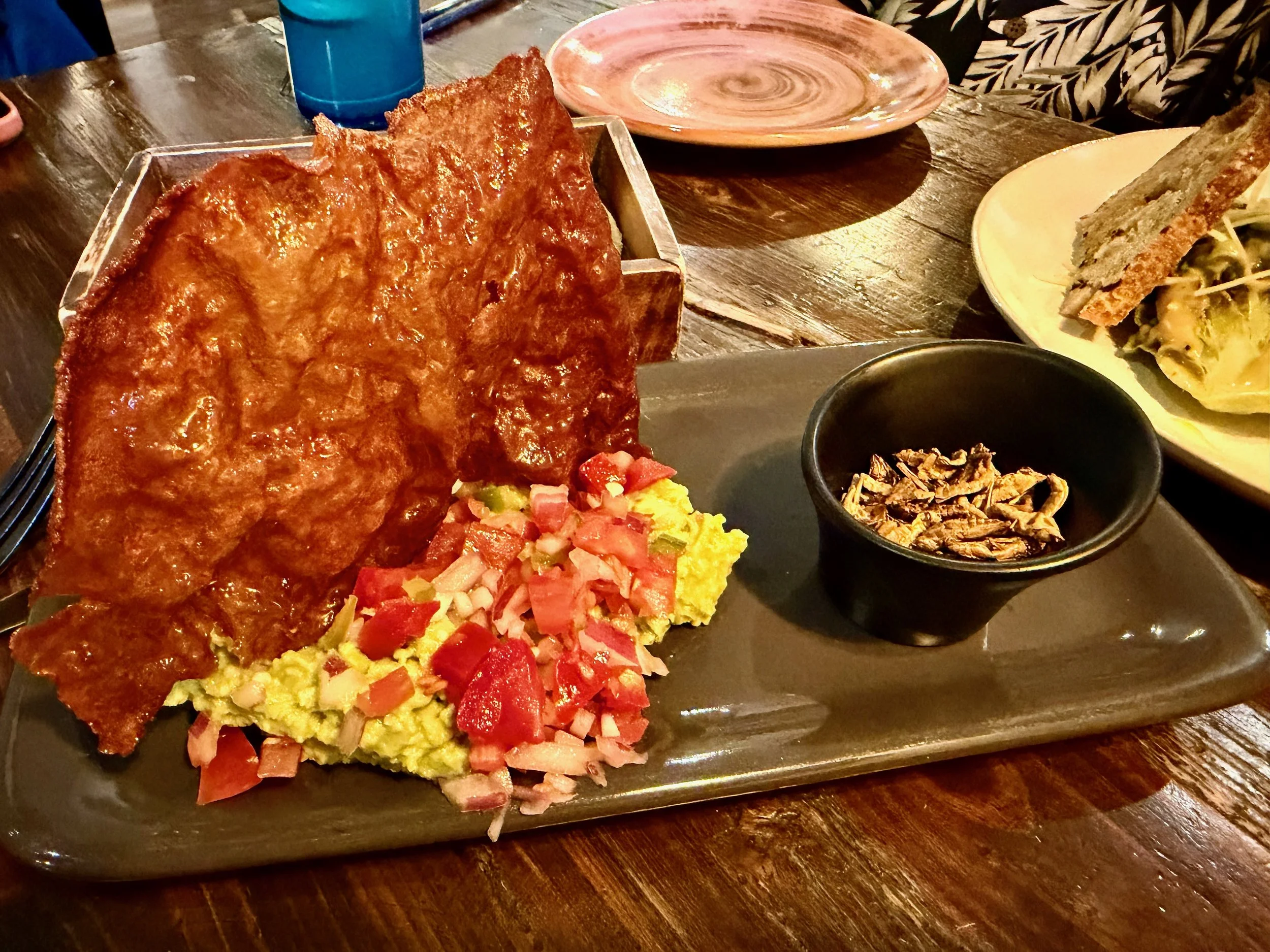
Vegetables play a bigger role than you might expect. Squash, tomatoes, chile peppers, avocado—they’re everywhere in Mexican cuisine.
A lot of the time, they’re not the main event, but they’re what build the flavor. And then there’s salsa…every color, every texture, ranging from mild to why did I just do that to myself hot.
Fresh Fruit in Mexico: Simple and Everywhere
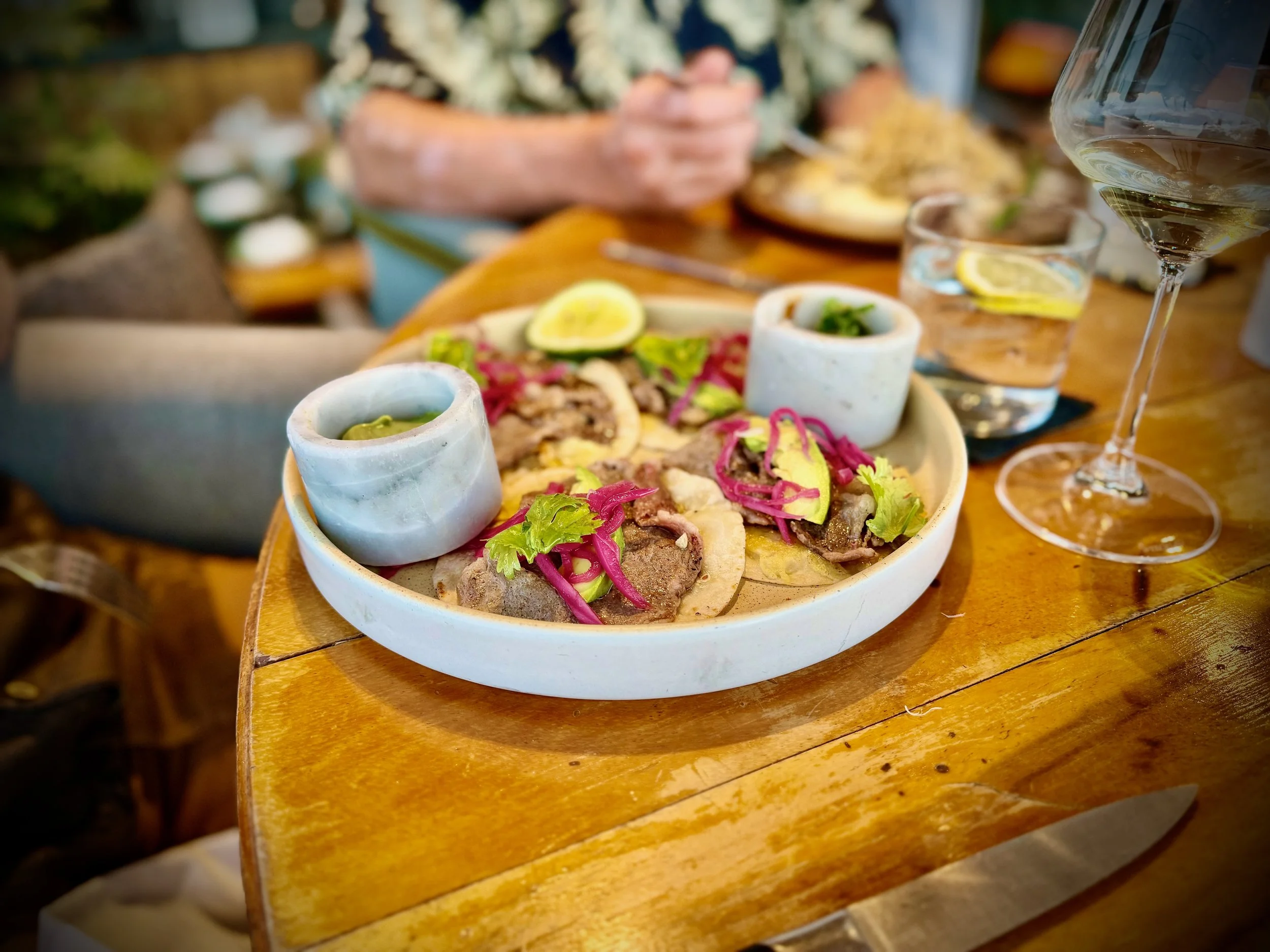
One of the best parts of exploring the local markets (tianguis) is the fruit.
Mango, bananas, papaya, pineapple, guava, cherimoya, passion fruit—you’ll see it all, with mango, banana, papaya, and pineapple being the most common. Simple, fresh, and usually perfectly ripe.
Agua Fresca & Local Drinks
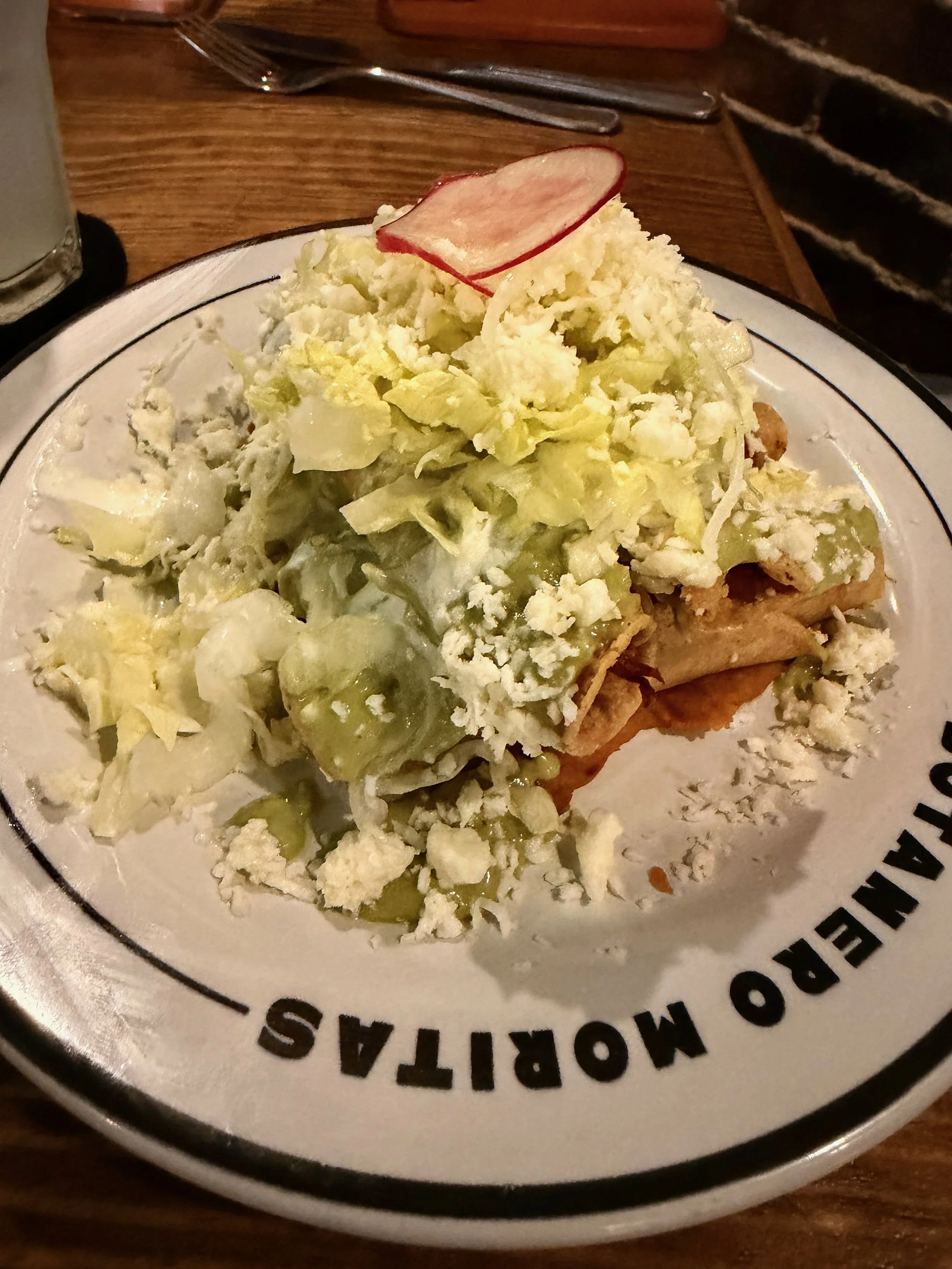
If you’re walking around San Miguel de Allende, you’ll see aguas frescas everywhere—and for good reason.
These light, refreshing drinks are made by blending fruits, flowers, or seeds with water and a bit of sugar. Common flavors include horchata (rice and cinnamon), jamaica (hibiscus), and tamarindo.
And then there’s limonada—still or sparkling—which has easily become one of our go-to drinks.
Beer, Tequila & More
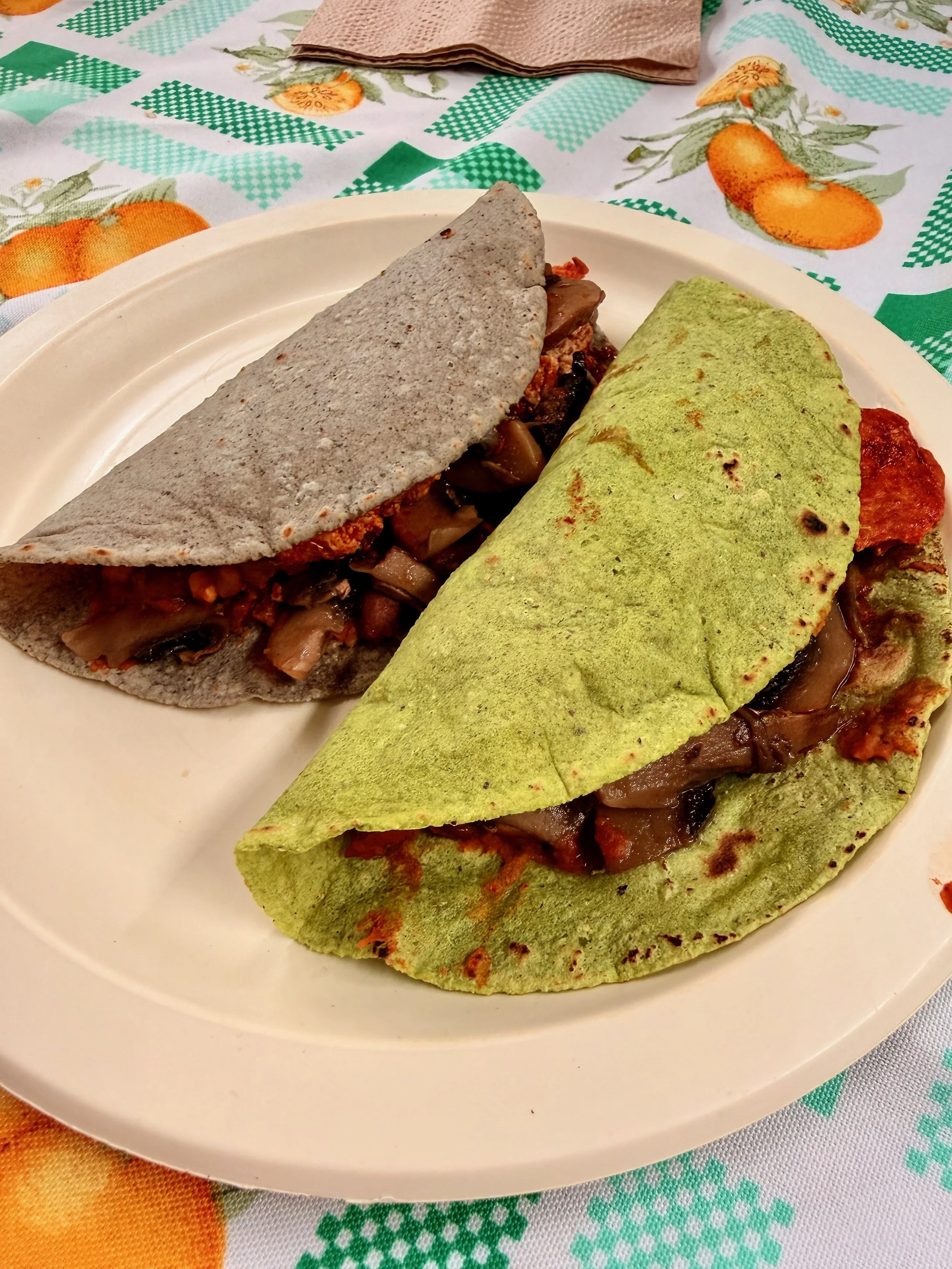
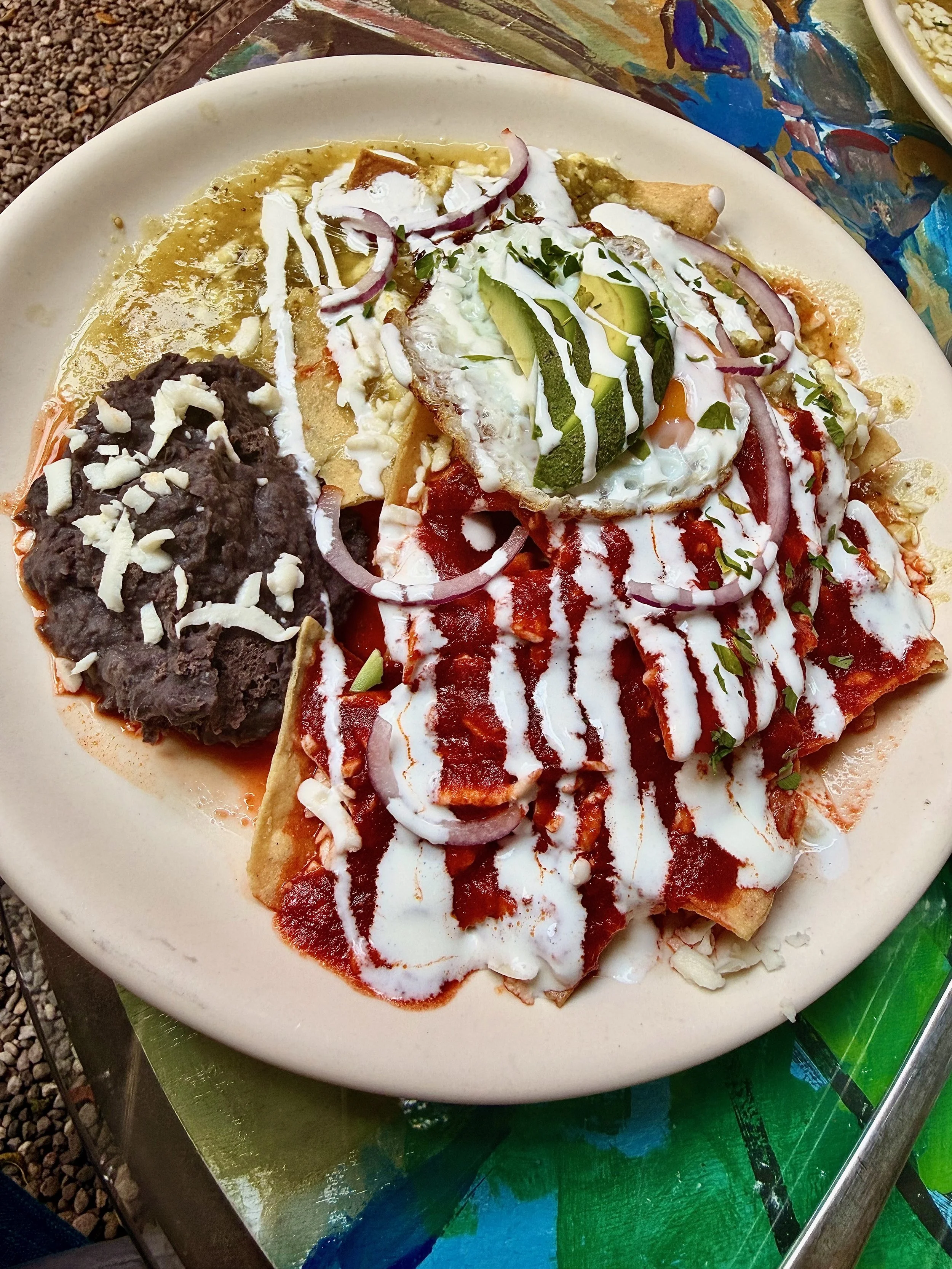
No surprise here—beer and tequila in Mexico are everywhere.
Modelo and Corona are easy to find, along with plenty of tequila options. Wine shows up too and is a solid third option, especially at restaurants.
Soda in Mexico


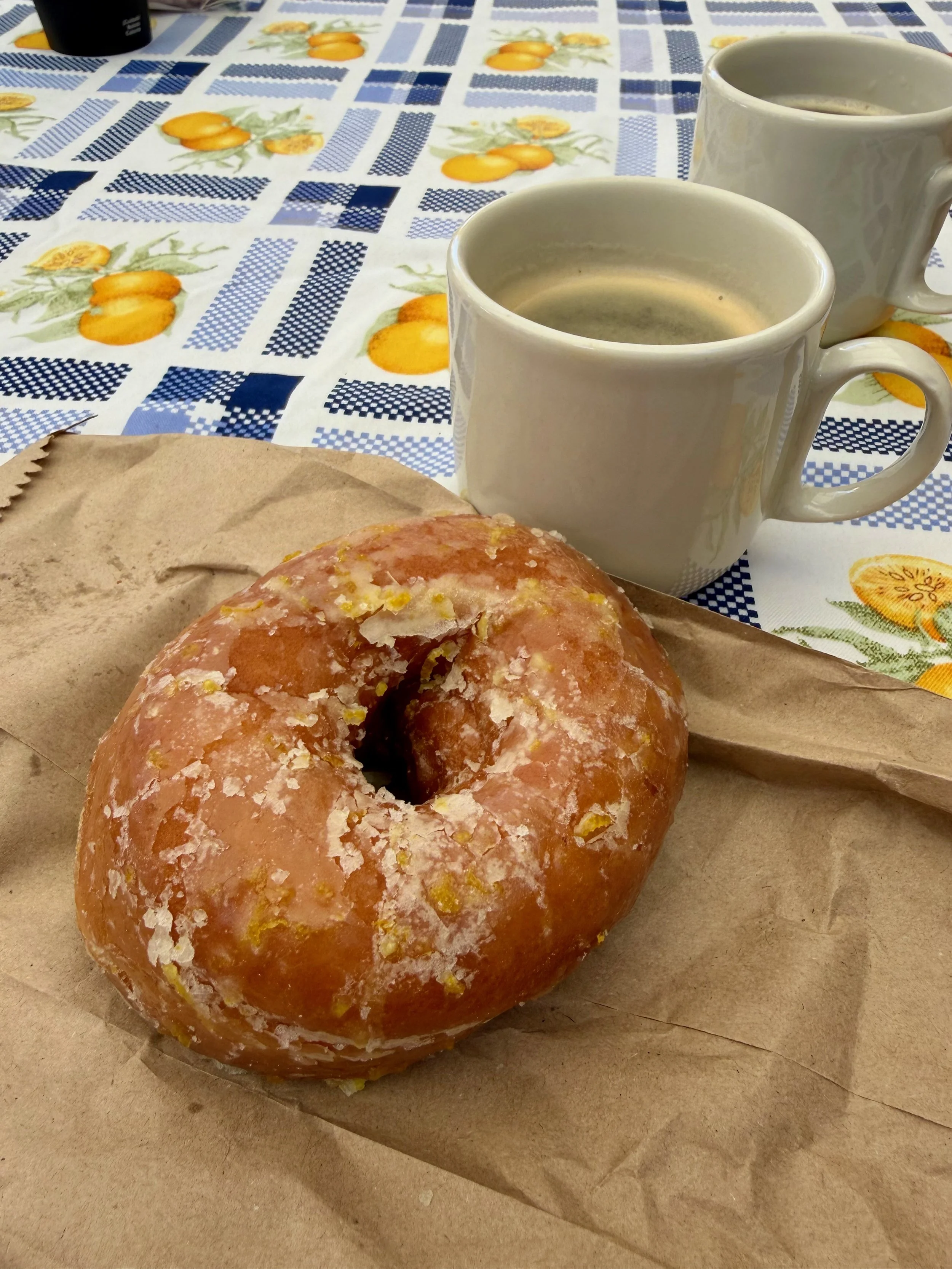
Soda is also very popular. Coca-Cola, Jarritos (fruit sodas), and Sangría Señorial are everywhere.
According to World Population Review, Mexico ranks #6 in soda consumption per capita, with the United States at #4.
The Takeaway: Mexican Food vs. “Mexican Food” Back Home
What really stands out is how different the food in Mexico is compared to what we often see in the United States.
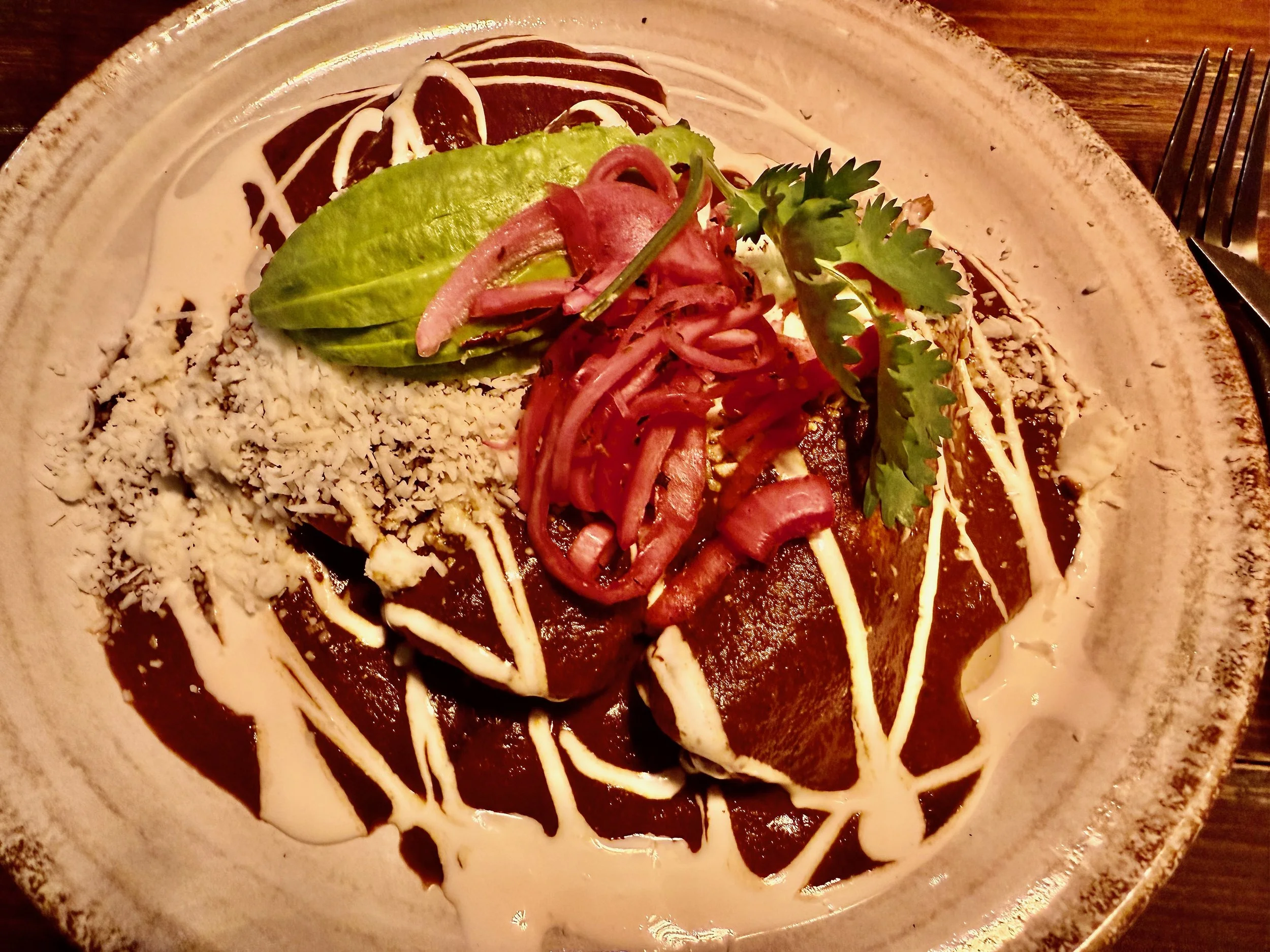
Sauces range from complex (like mole) to simple (like a fresh salsa), and everything in between. It’s not about piling a plate high with rice and beans and covering it in cheese—it’s about flavor, balance, and tradition.
If there’s one takeaway from all of this, it’s this:
Try something new.
Look for restaurants that focus on a specific region of Mexico. Or better yet, grab a cookbook, track down the ingredients, and give it a shot yourself.
Restaurants we’ve come to love.
Click on each name to check them out online. If there’s no website, we’ve linked to their Facebook or Instagram page instead.
TOSMA PRODUCERS MARKET, every Saturday from 9 a.m. to 4 p.m.
The Three Marys, Prepared food, tacos, gorditas