
A Summer Road Trip To British Columbia
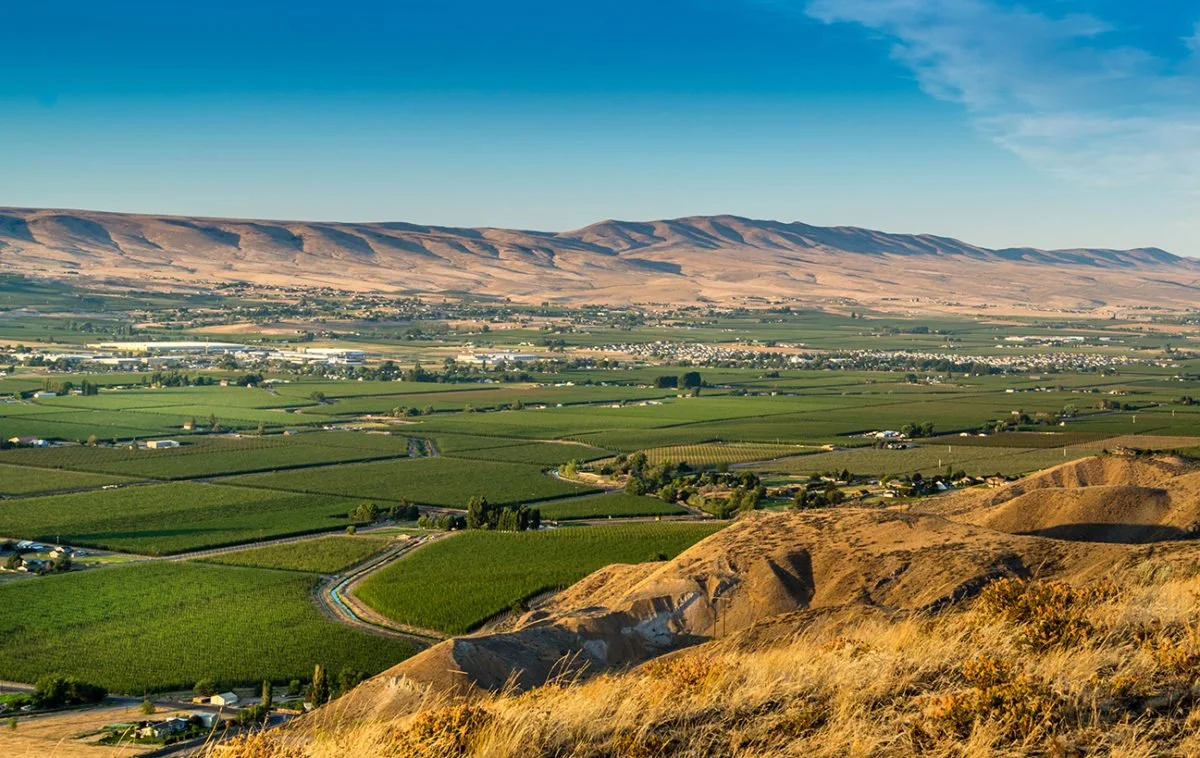
Irrigated orchards and farms create a green patchwork across the sun-baked landscape of the Yakima Valley.(photo courtesy of https://yakimavalleycf.org/)
Part Three: The Harvest Route Home
After saying goodbye to our friends in Okanagan Falls, we chose a longer route home through Washington’s Yakima Valley. It added time to the drive, but during peak harvest season, the opportunity to visit local fruit stands was too good to pass up.
Peaches From a Roadside Stand
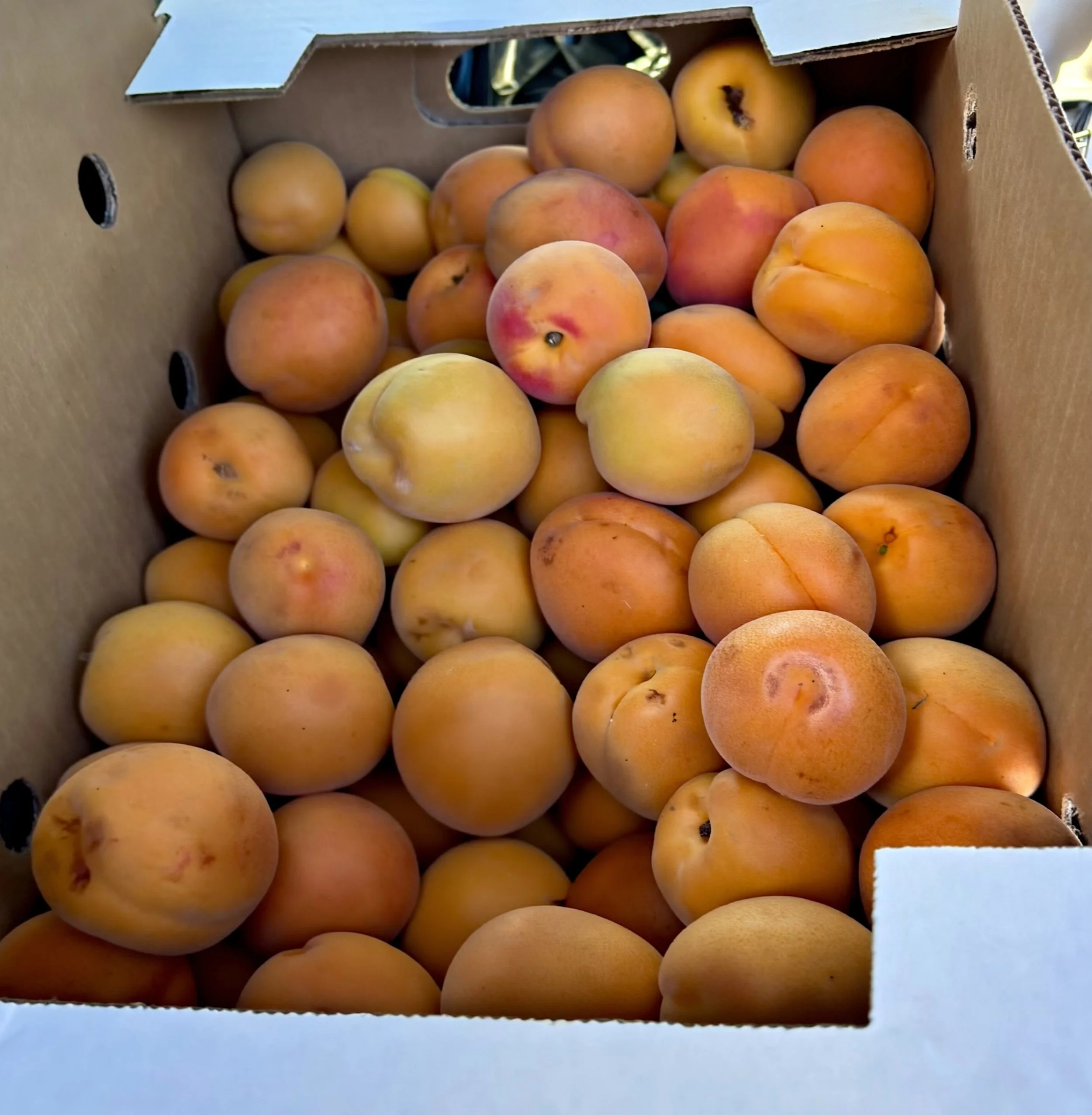
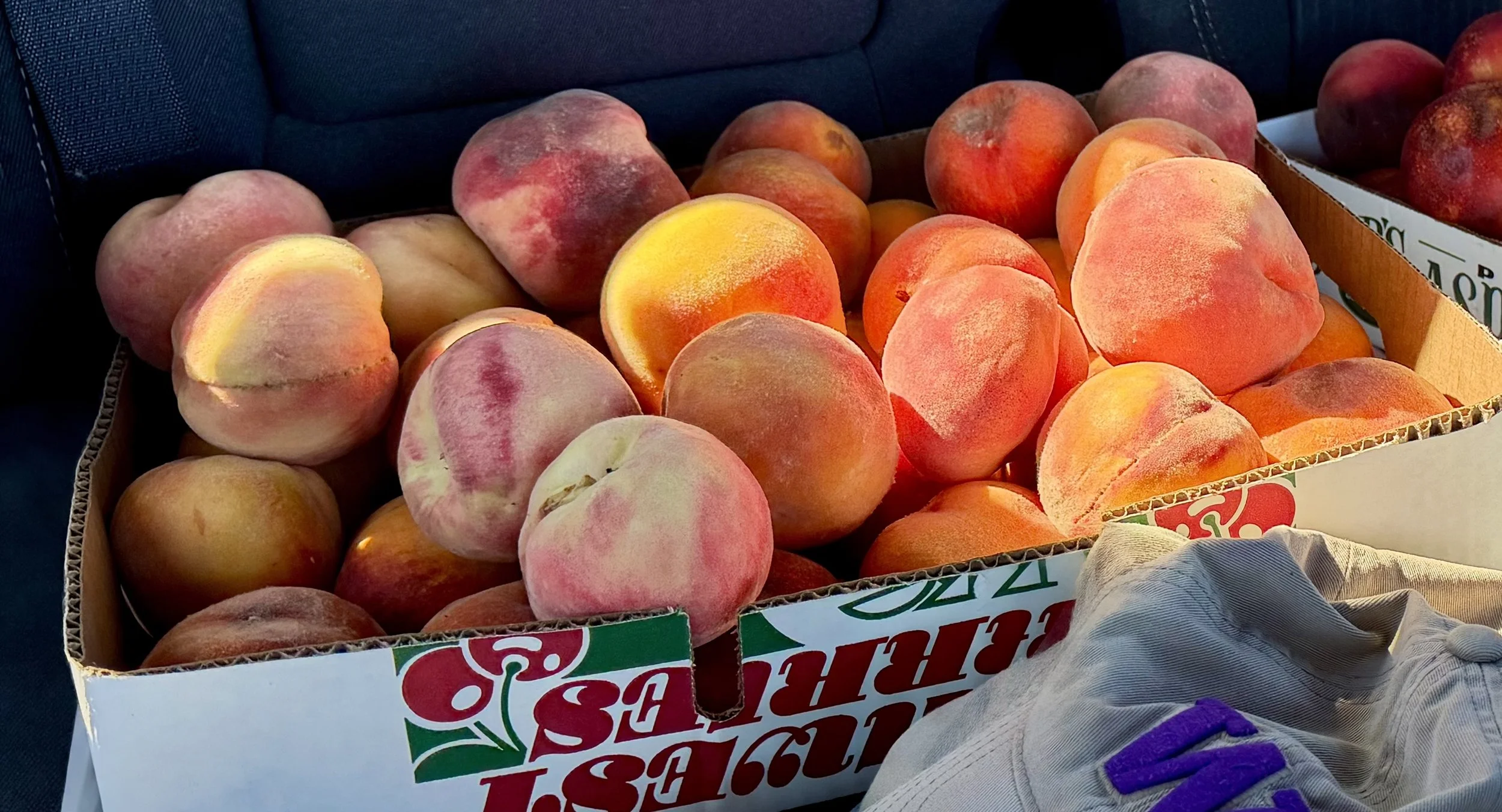
Our first stop was a roadside fruit stand, where we bought a box of No. 2 peaches.
They may not have been perfectly uniform or free from small blemishes, but they were ripe, flavourful and exactly what we needed for preserving. When fruit is destined for canning or freezing, taste matters much more than appearance.
From there, we continued to Wapato, a farming community in the heart of the Yakima Valley.
Fresh Produce at Imperial Garden
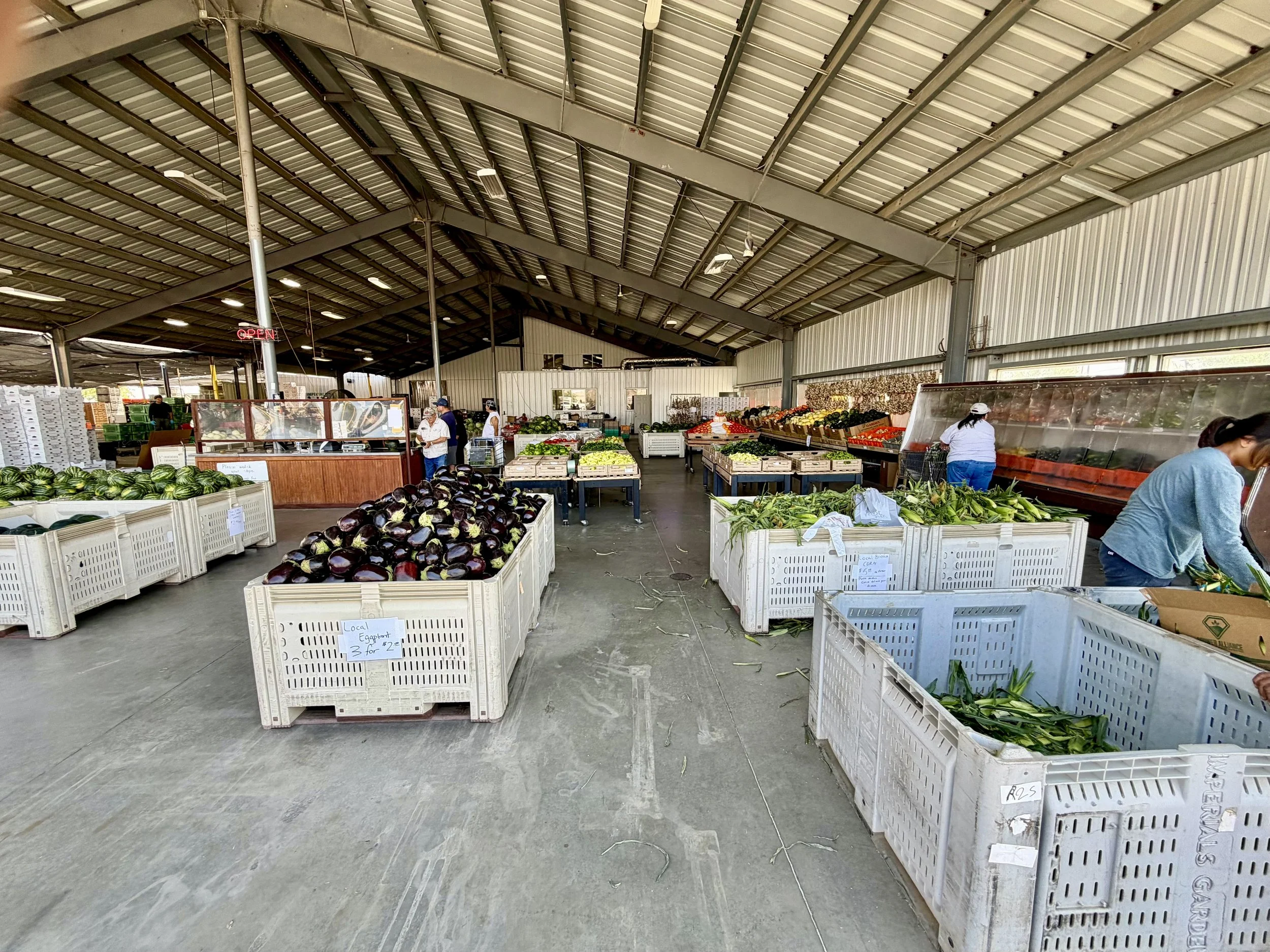
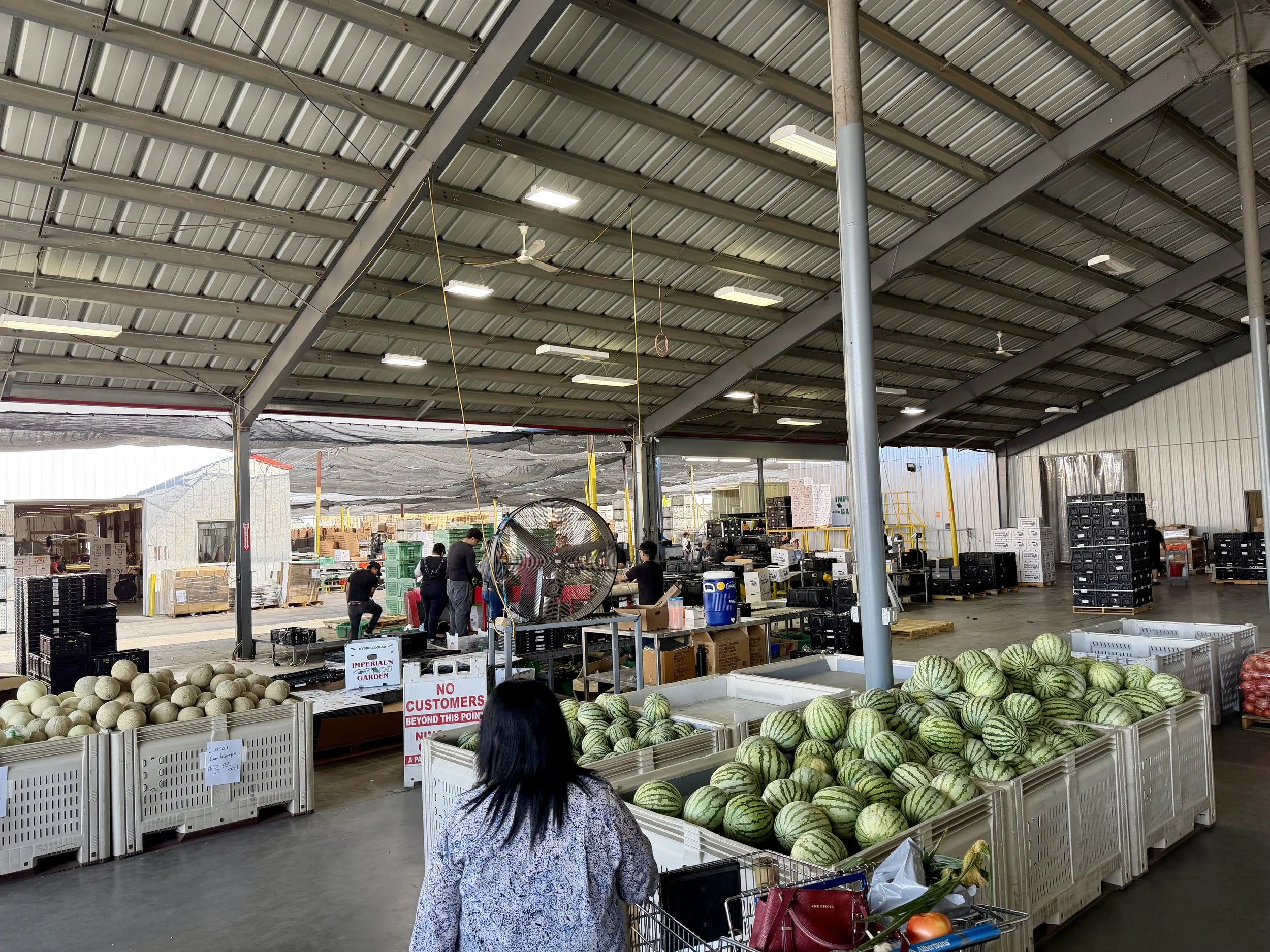
One of our favorite places to buy local produce is Imperial Garden in Wapato.
We arrived at exactly the right time of year. The market was filled with fresh corn, melons, peppers, eggplant and other locally grown vegetables. However, the item we wanted most was ripe Yakima Valley tomatoes.
There is simply no comparison between a tomato allowed to ripen on the vine and one picked early for shipping. We stocked up, already thinking about the canning and freezing that awaited us at home.
A Yakima Valley Tradition
After checking into our hotel, we treated ourselves to burgers at the famous Miner’s Drive-In in Union Gap.
Calling the burgers large is an understatement—they are practically the size of a dinner plate. It is certainly not an everyday meal, but as a once-a-year road-trip indulgence, it hit the spot.
With full stomachs and a vehicle loaded with summer produce, we settled in for a good night’s sleep.
The following morning, we had an easy three-hour drive home. Then the real work began: canning, freezing and finding ways to enjoy all the wonderful fruit and vegetables we had collected along the way.
It was a fitting end to our summer journey through British Columbia and the agricultural valleys of the Pacific Northwest—good scenery, good friends and plenty of good food.
Crossing the Cascades Toward Home
From Yakima, we returned to Interstate 82 and headed north toward Ellensburg. From there, it was a straightforward two-hour drive west on Interstate 90 toward home.
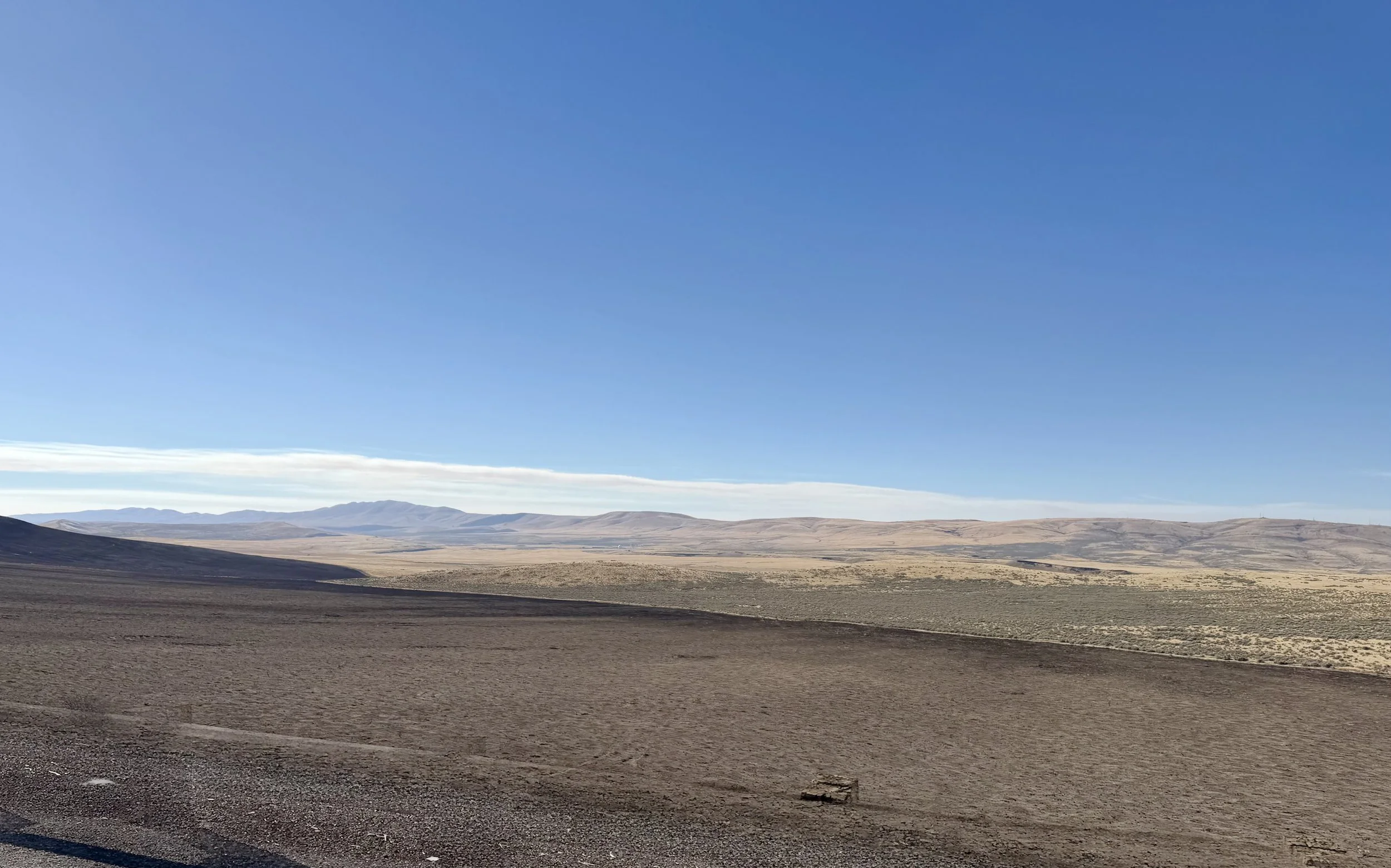
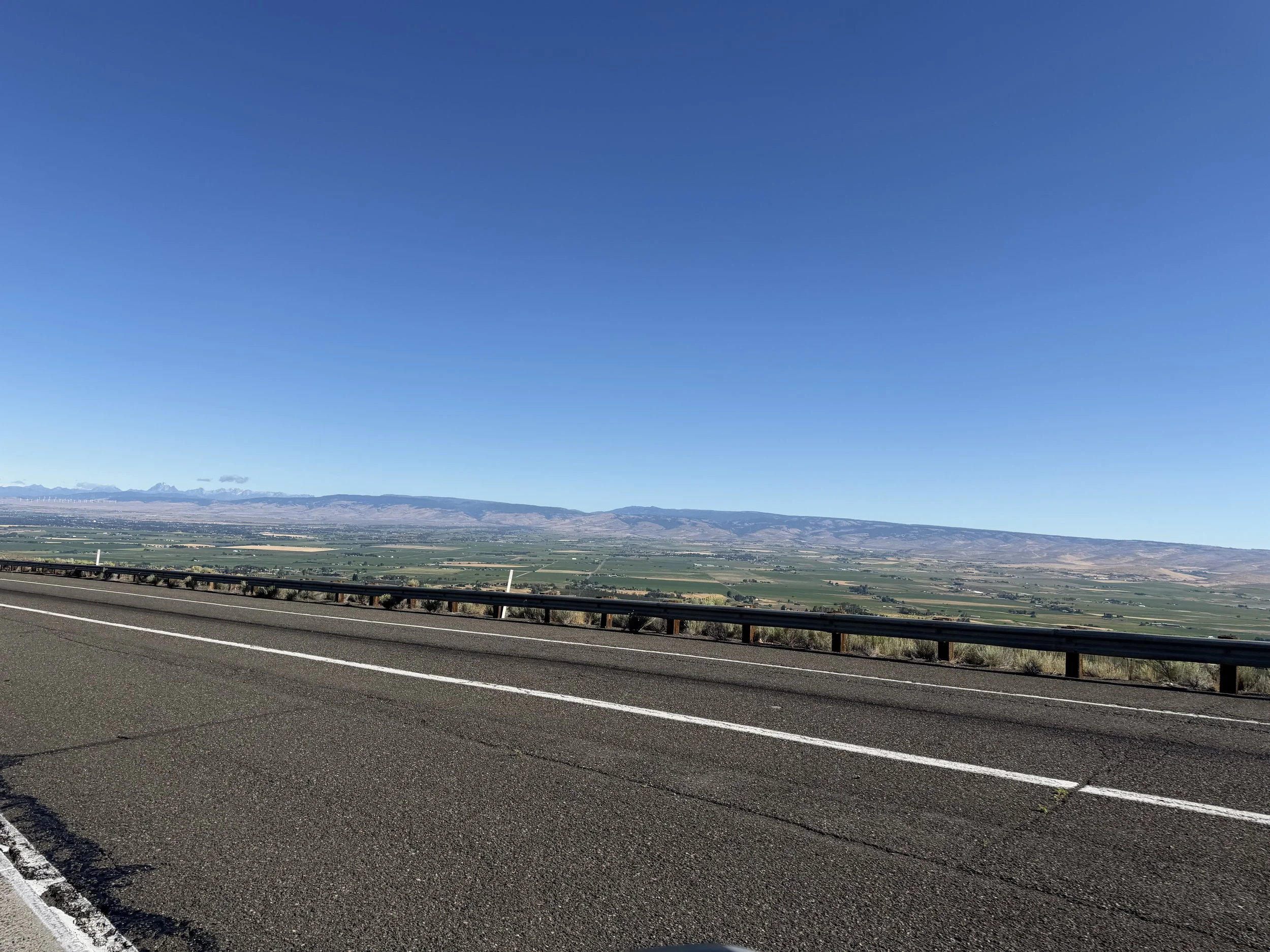
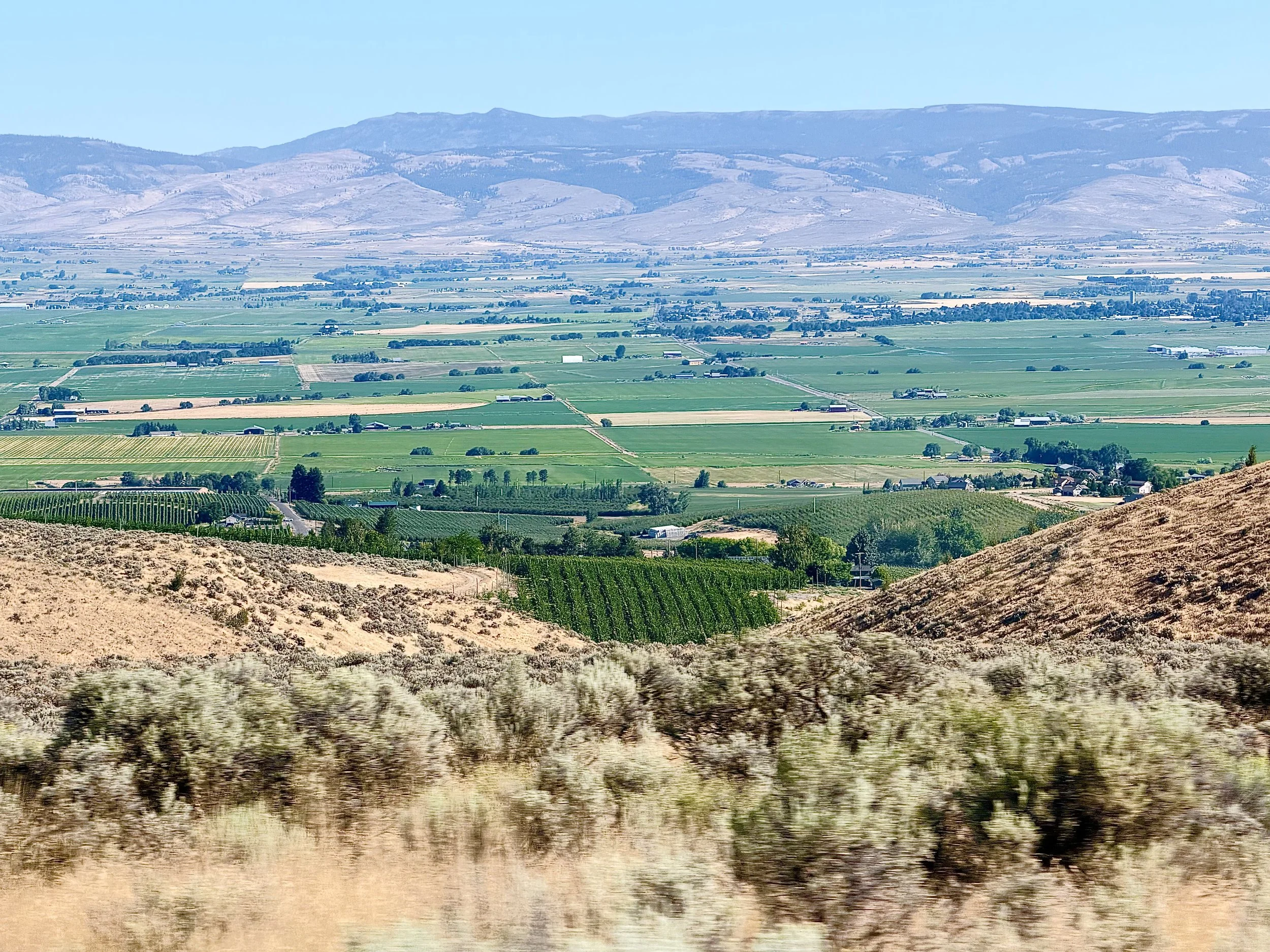
The approach to Ellensburg is especially beautiful in summer. Green irrigated fields stretch across the Kittitas Valley, contrasting sharply with the surrounding golden grain fields and dry hillsides.
As Interstate 90 climbs toward Snoqualmie Pass, traffic travels beneath the Keechelus Wildlife Overcrossing. The approximately 150-foot-wide bridge spans six lanes of traffic and is covered with native trees, shrubs and other vegetation that blend into the surrounding forest.
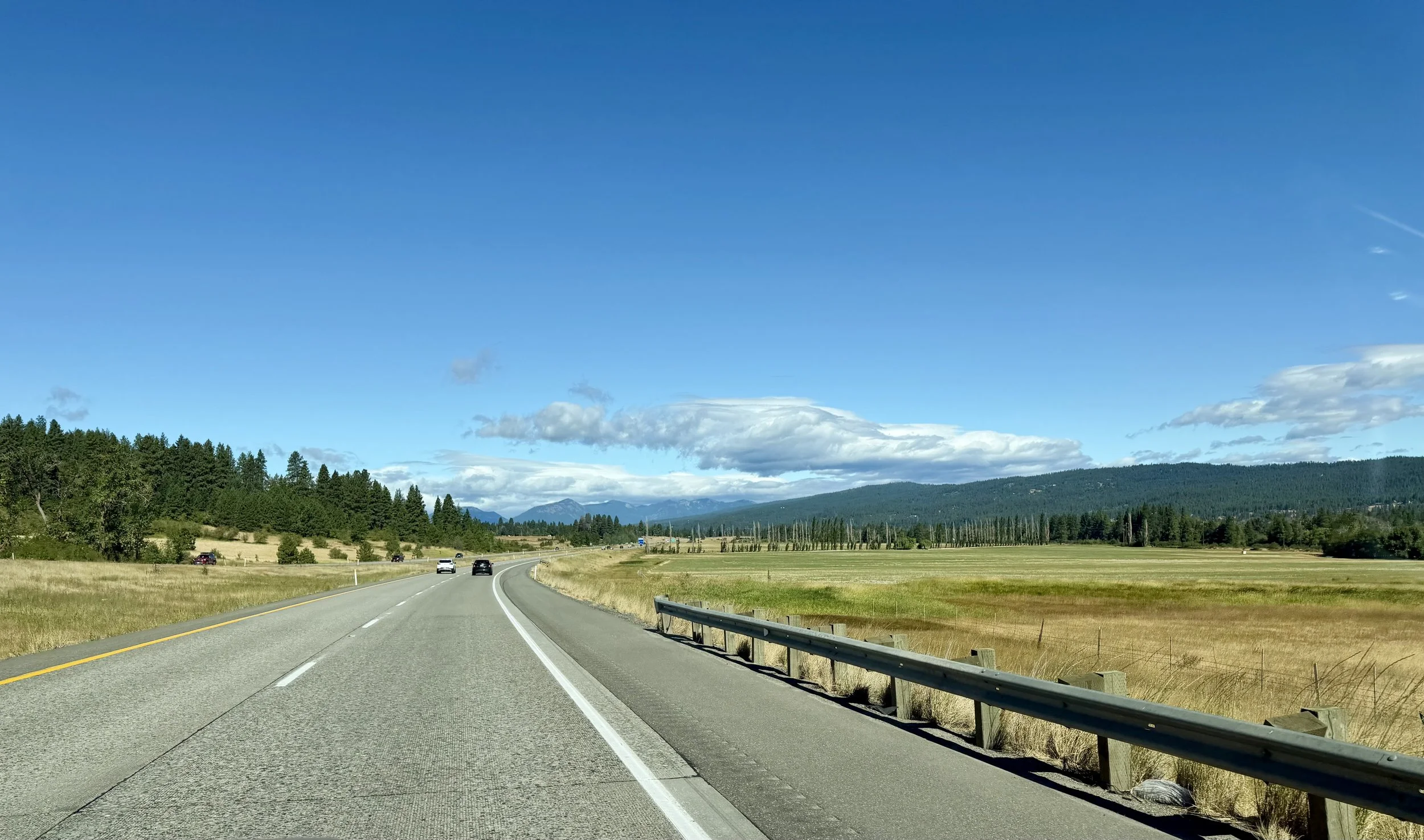
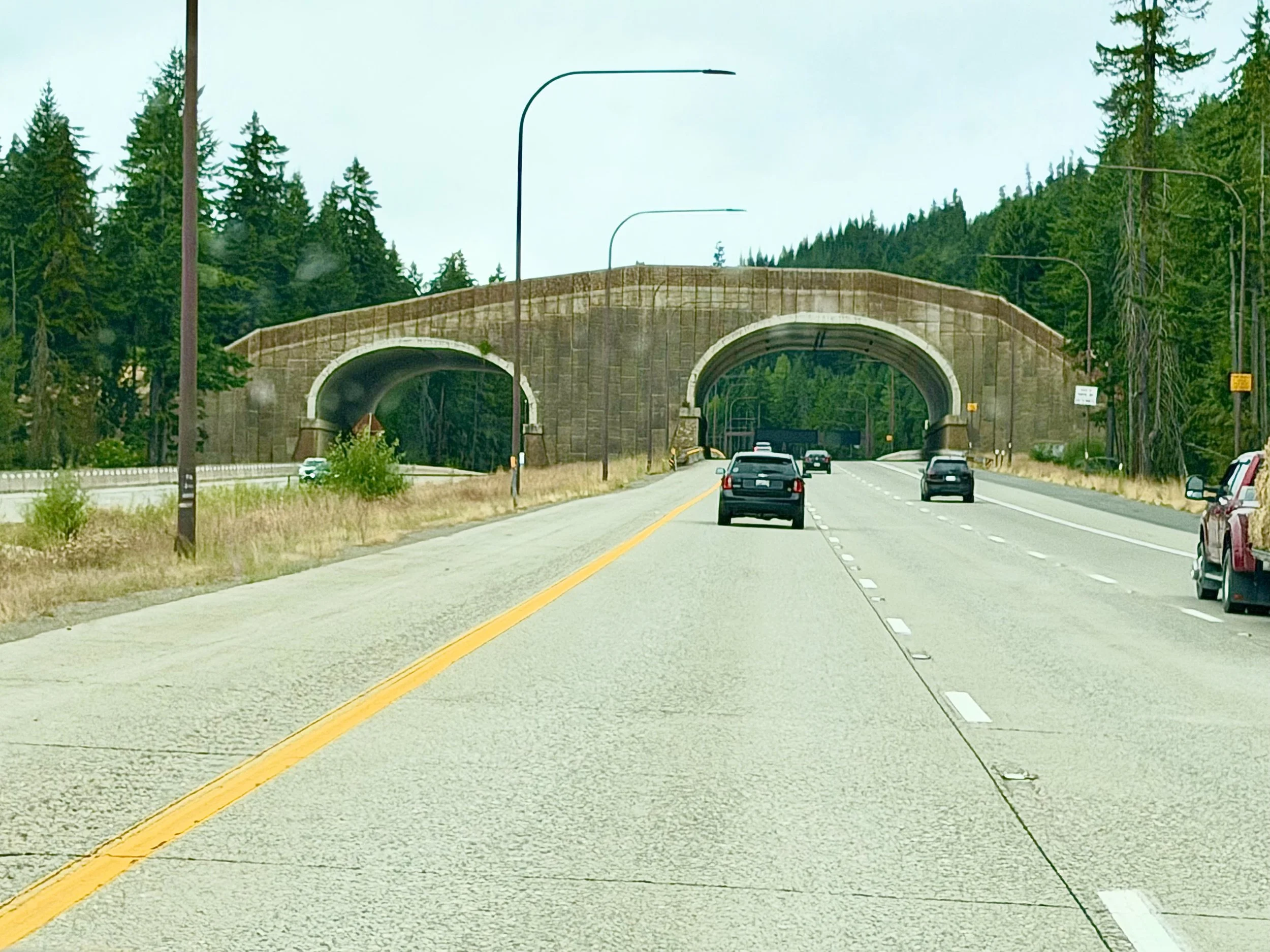
Completed as part of the Snoqualmie Pass East Project, the overcrossing provides a safe route across the busy highway for elk, deer, coyotes and many other animals. It is one of more than 20 large wildlife crossings planned along this important habitat corridor between Hyak and Easton.
As we descended from Snoqualmie Pass, the air became noticeably cooler. That familiar marine breeze from the Puget Sound region told us we were getting close to home—and to the canning and preserving projects waiting for us.
Preserving the Harvest
After a good night’s sleep, we made the final three-hour drive home with our vehicle loaded with fresh fruit and vegetables. Then the real work began.
We started with several kinds of jam. Our first batches were peach-ginger jam—one made with a lower-sugar recipe and another using a traditional recipe. Next came a batch of lower-sugar apricot jam.
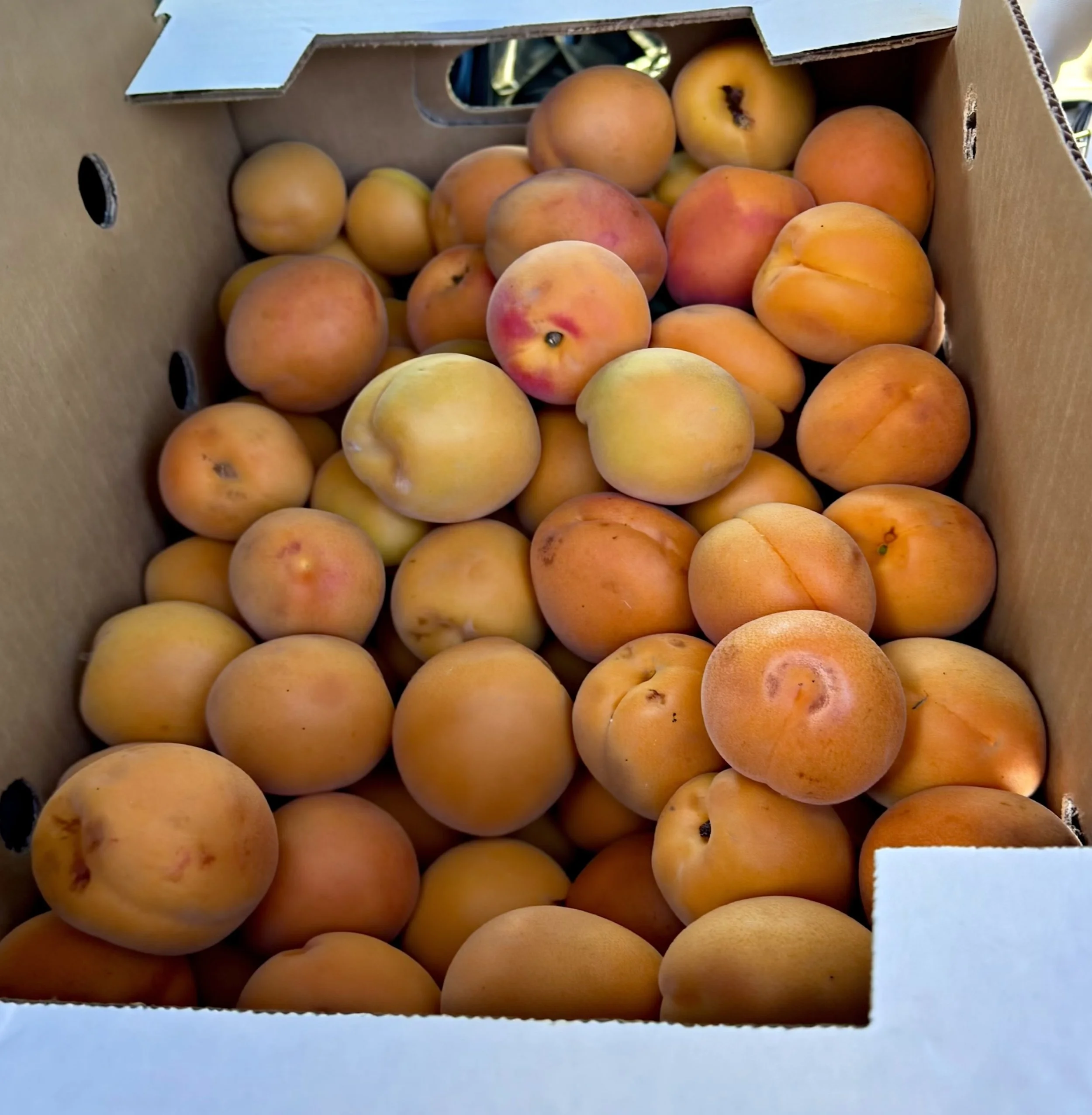
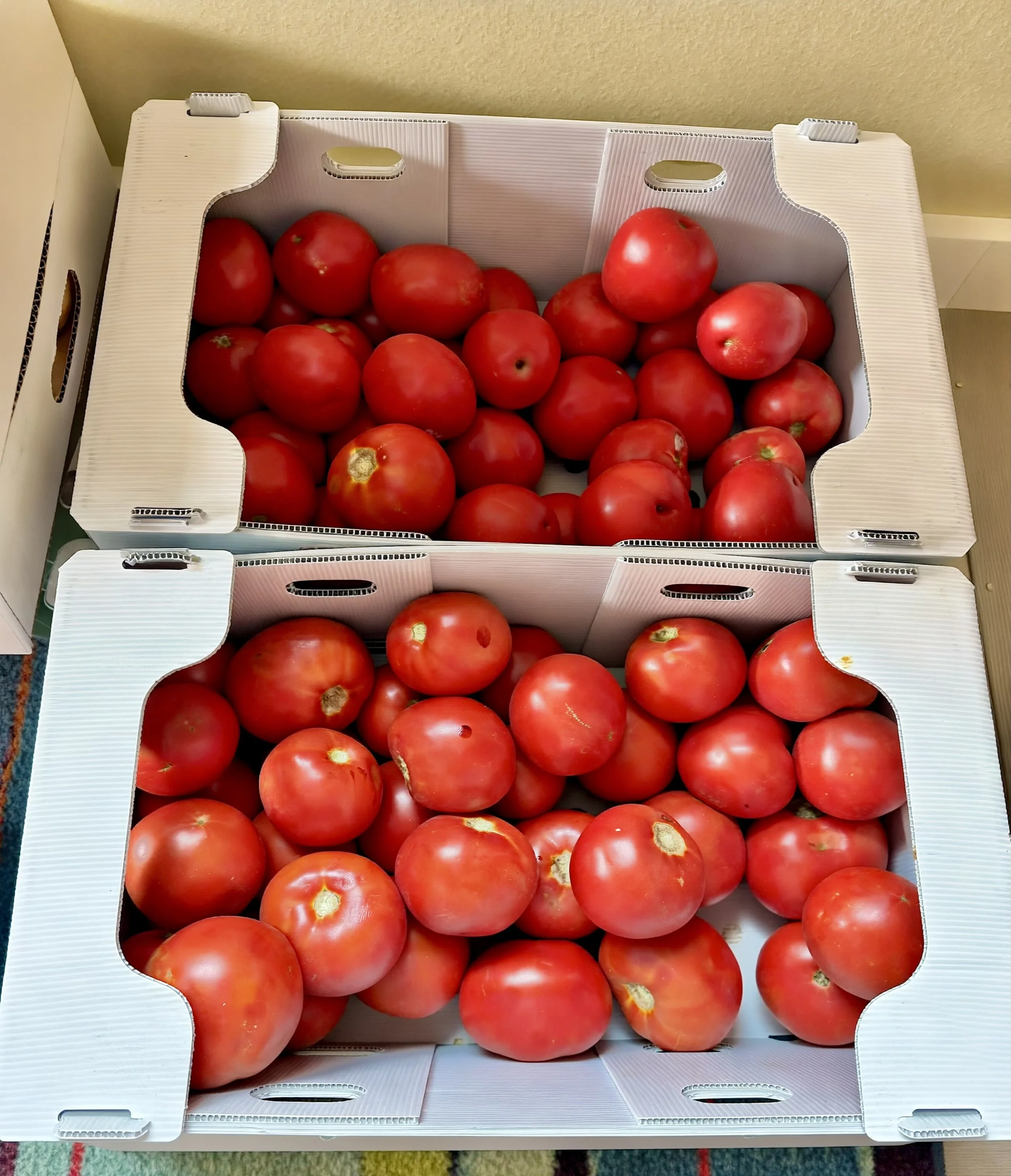
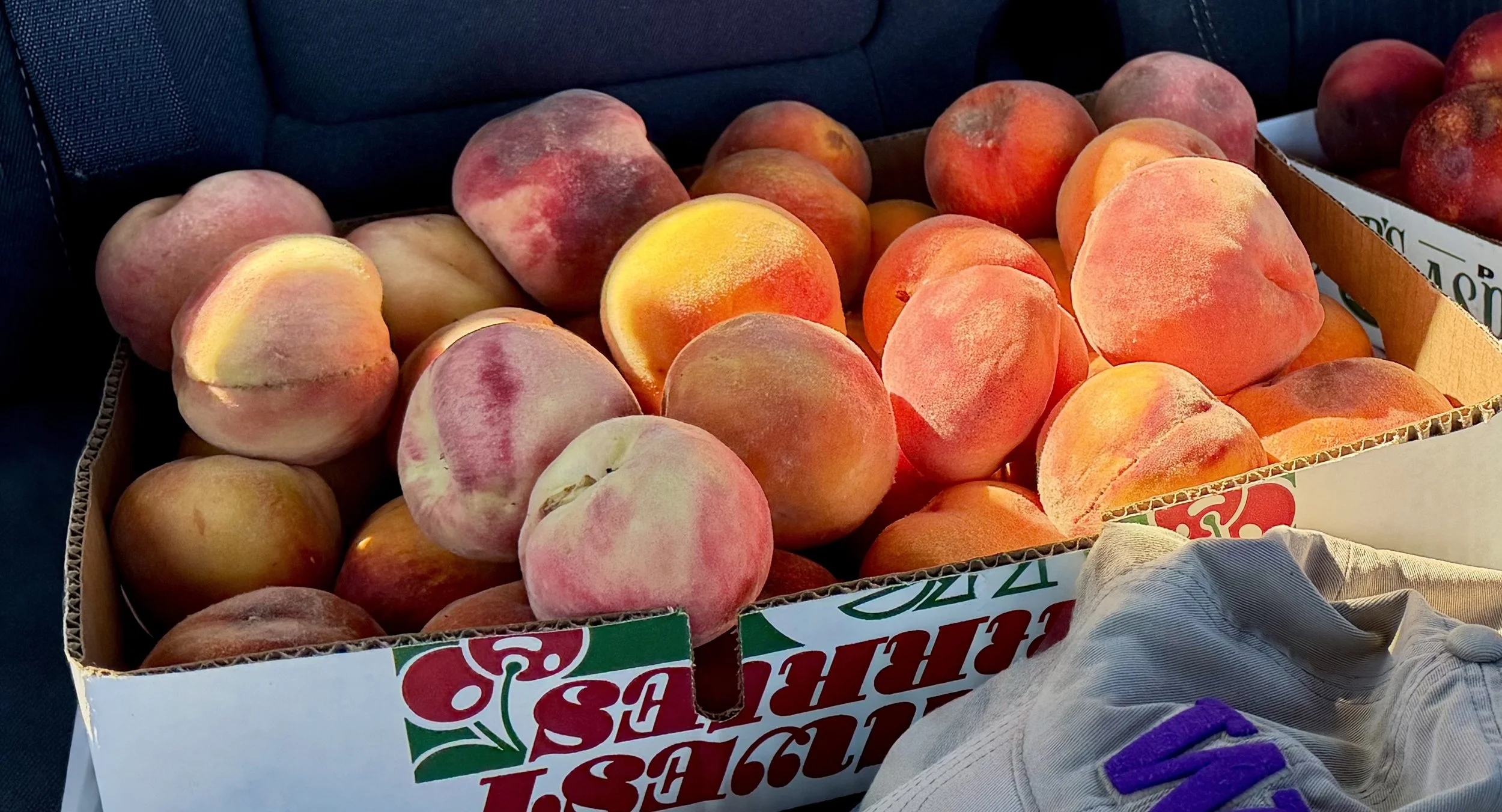
Our Yakima Valley harvest included ripe apricots, juicy peaches and 50 pounds of local tomatoes for canning, freezing and preserving at home.
The following day, we turned our attention to salsa. We made four batches using two different recipes. One included a generous amount of roasted Hatch chiles from New Mexico, while the other got its heat from jalapeño peppers.
We also made a small batch of spicy tomato jam. The remainder of our 50 pounds of tomatoes went into homemade tomato sauce.
Once the tomatoes were finished, we made a batch of corn relish, which happens to be my mom’s favourite. That brought this year’s canning marathon to an end, although we still froze the remaining peaches and apricots for future recipes.
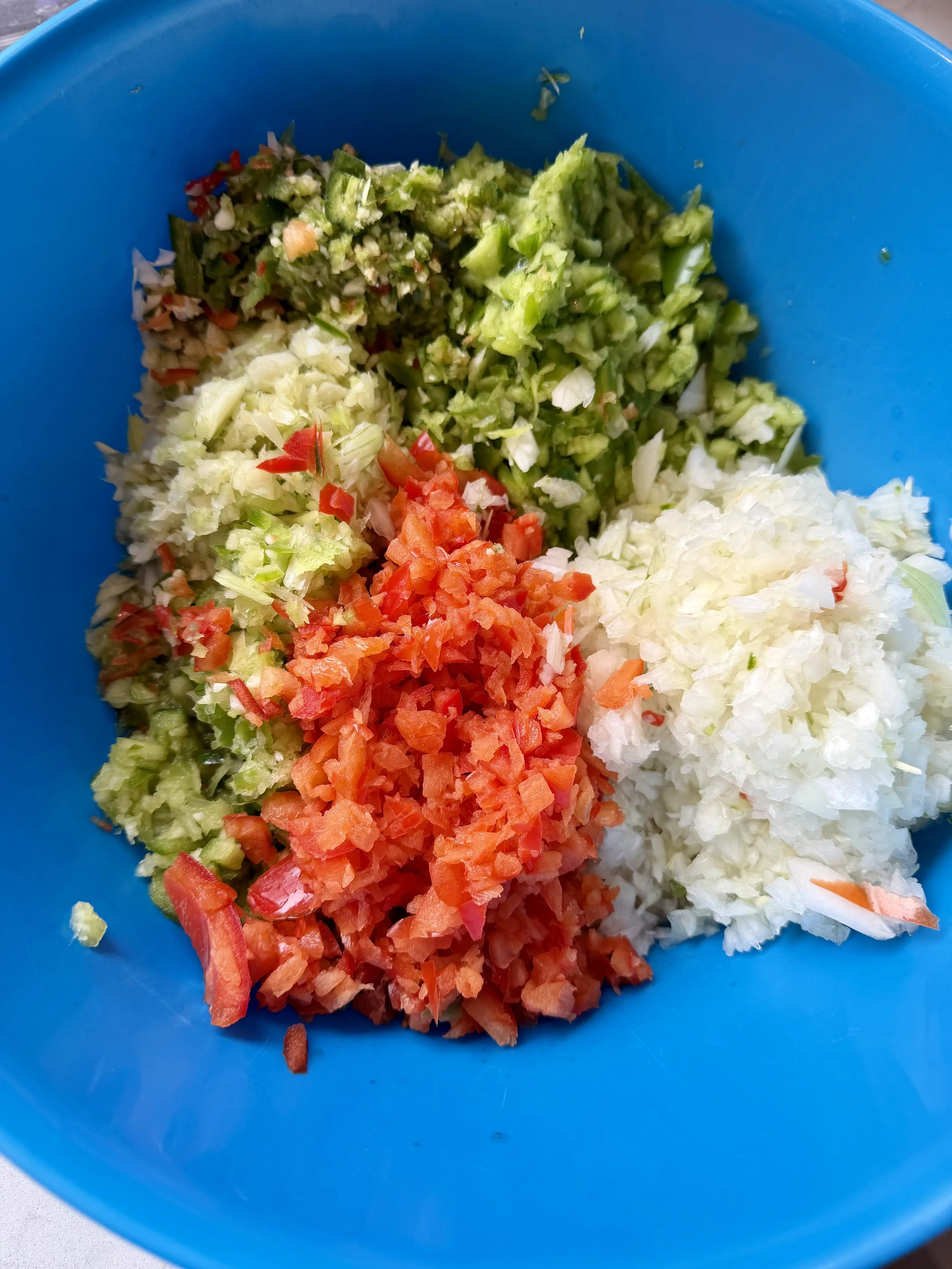
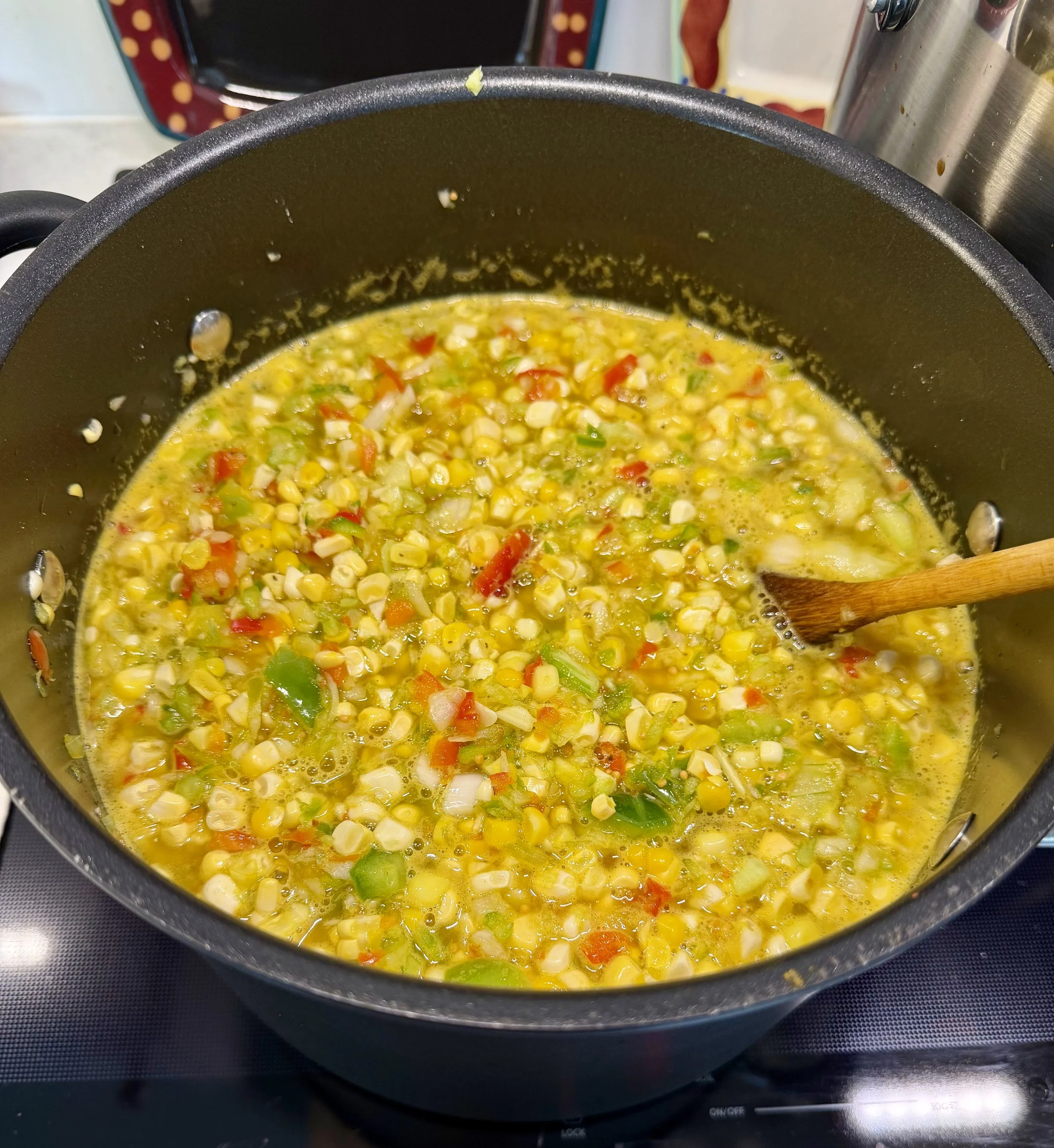
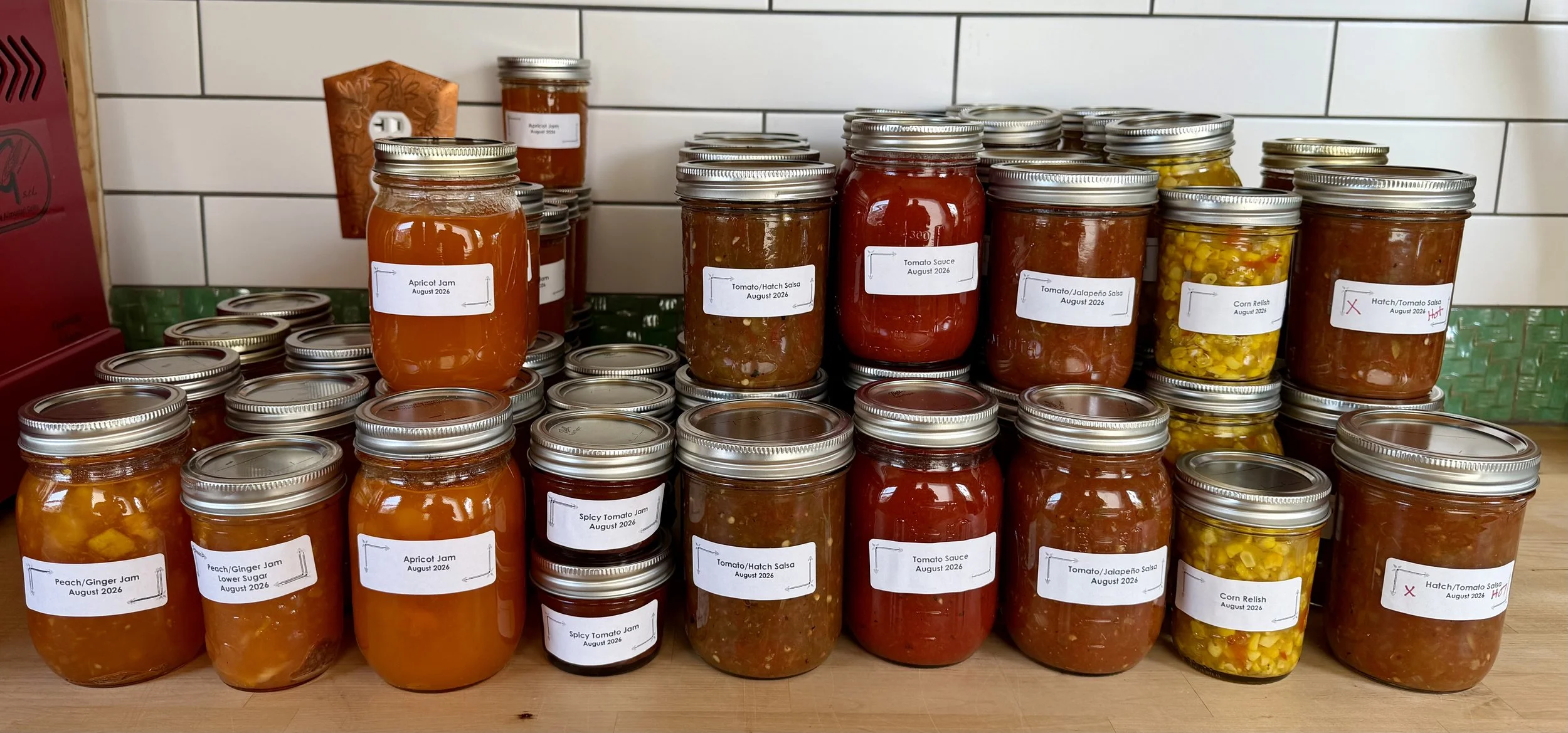
All in all, taking the longer route home to buy fresh fruit and vegetables was well worth the extra miles. Our pantry and freezer are now stocked with the flavours of summer—and every jar will remind us of this year’s road trip through British Columbia and the agricultural valleys of the Pacific Northwest.
A Hatch Chile Postscript
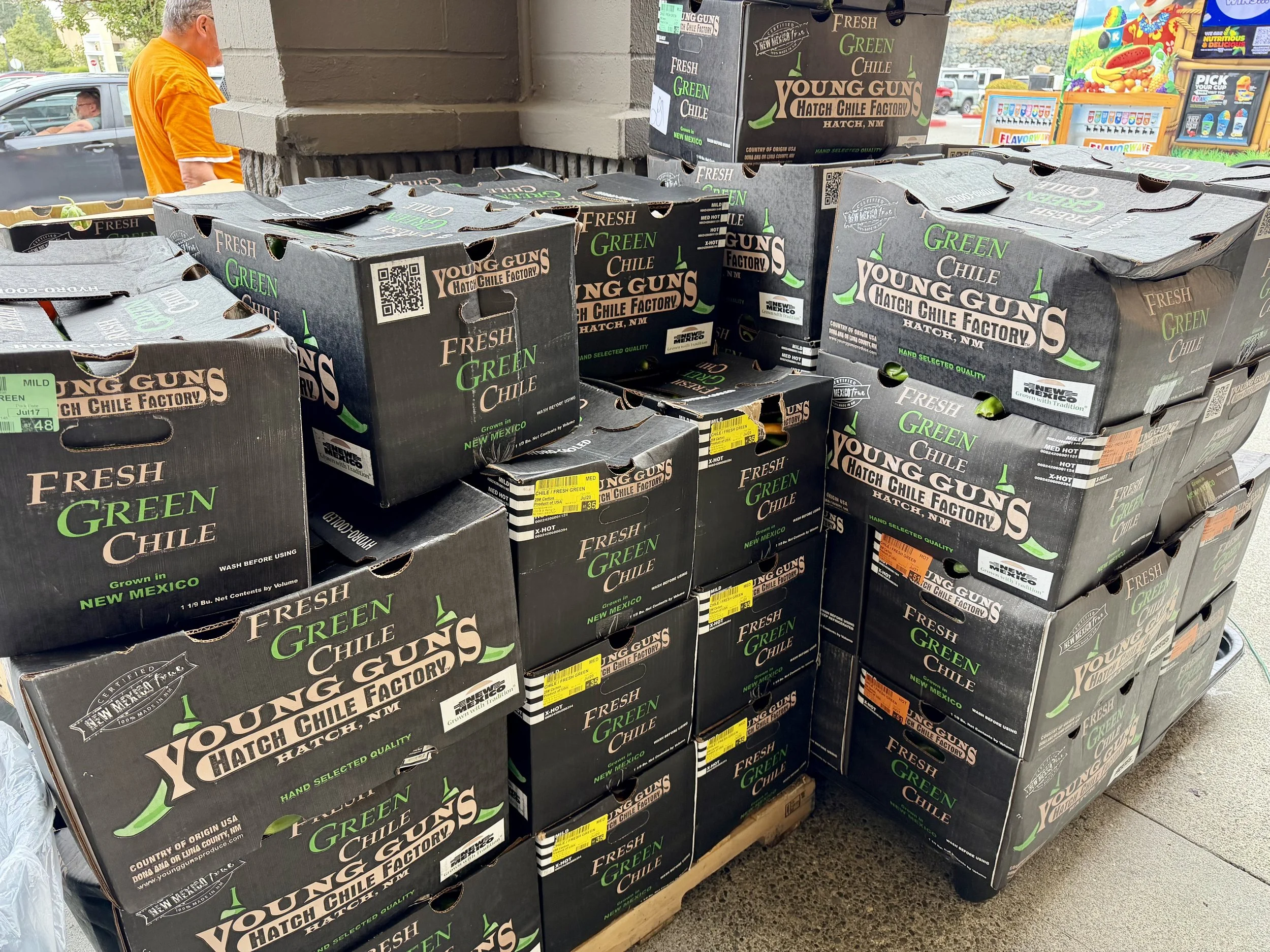
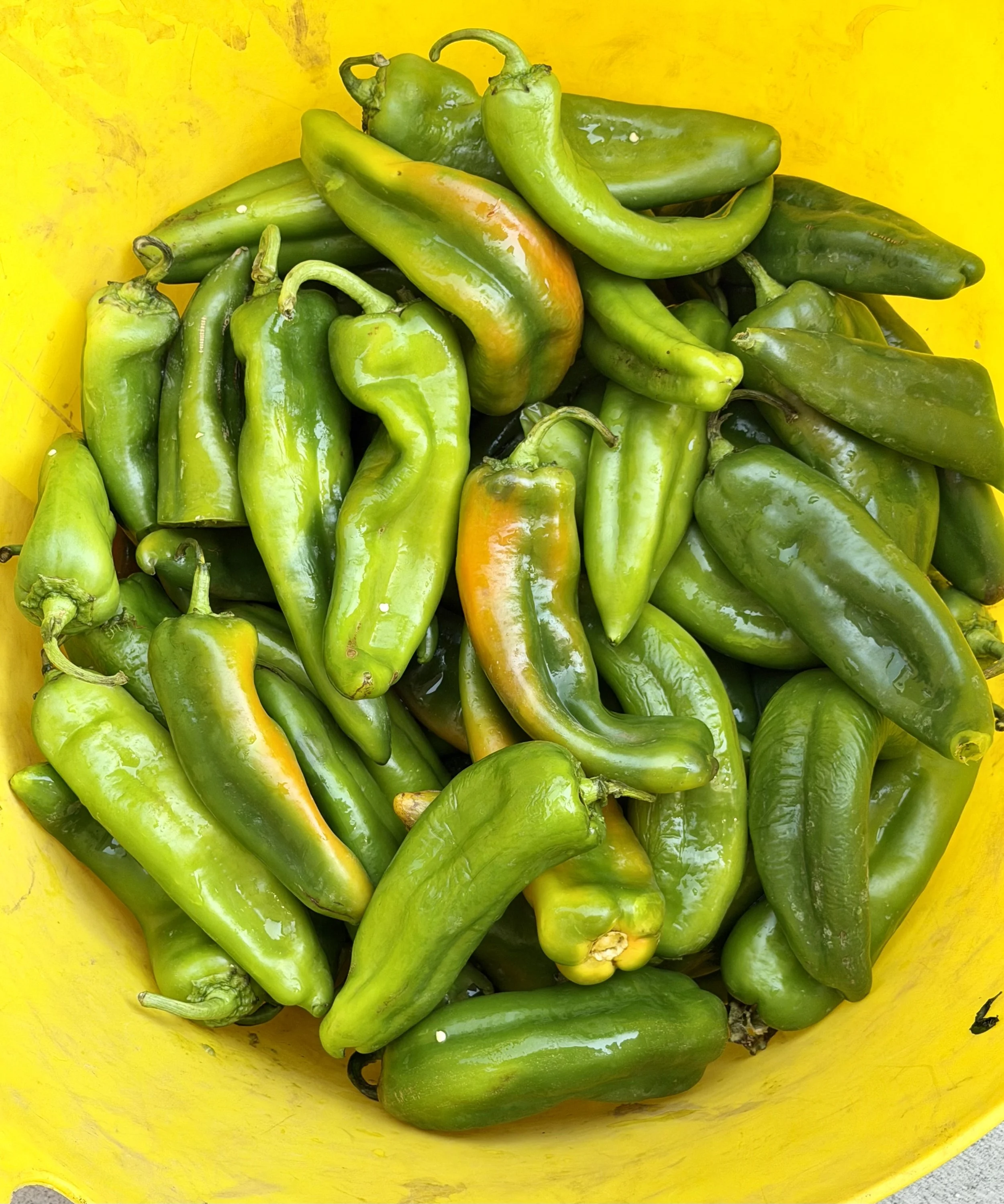
This final adventure had nothing to do with our trip through British Columbia and the Yakima Valley, but it was another unexpected part of preserving this year’s harvest.
After arriving home, I realized we needed more canning jars. When we went to the store, we discovered that it was hosting its annual Hatch chile-roasting event—a seasonal tradition that has become increasingly popular here in the Pacific Northwest.
We usually buy fresh Hatch chiles and roast them ourselves. Most large roasting events use a rotating metal drum positioned over a gas flame. We prefer using a propane torch because we have found that it leaves the chiles more intact. You can see our roasting method in the accompanying video.
This year, we roasted three 25-pound boxes: one medium, one hot and one extra hot. You guessed it—the extra-hot chiles are scorchers.
Once the roasted chiles had cooled, we packed them into freezer bags and froze them to use throughout the coming year.
Hatch isn’t the name of a single chile variety. It refers to several varieties grown in New Mexico’s Hatch Valley. The fresh harvest season is brief, generally running through August and September, with green chiles harvested first and some left to ripen red later in the season. Once the fresh supply is gone, chile lovers must wait until the following year. New Mexico’s official tourism guide offers more information about the state’s chile tradition.
Because Hatch chiles have become so popular, many larger grocery stores in the Pacific Northwest now bring them in during harvest season and hold public roasting events.
What began as a simple trip to buy more canning jars turned into one final preserving project—and 75 pounds of roasted Hatch chiles tucked safely into our freezer.
Roasting fresh Hatch chiles with a propane torch before packing and freezing them for the year ahead.