
A Two-Day Side Trip to Querétaro
We took a two-day side trip to Querétaro to explore the city. Our journey began with a quick nine-minute Uber ride from our Airbnb to the Central de Autobuses in San Miguel. From there, we boarded the 11:30 a.m. ETN bus—often referred to as a luxury bus—for the comfortable trip to the Terminal de Autobuses Querétaro. ETN buses are known for their spacious seating and smooth ride, making the journey an easy and relaxing way to travel between cities.
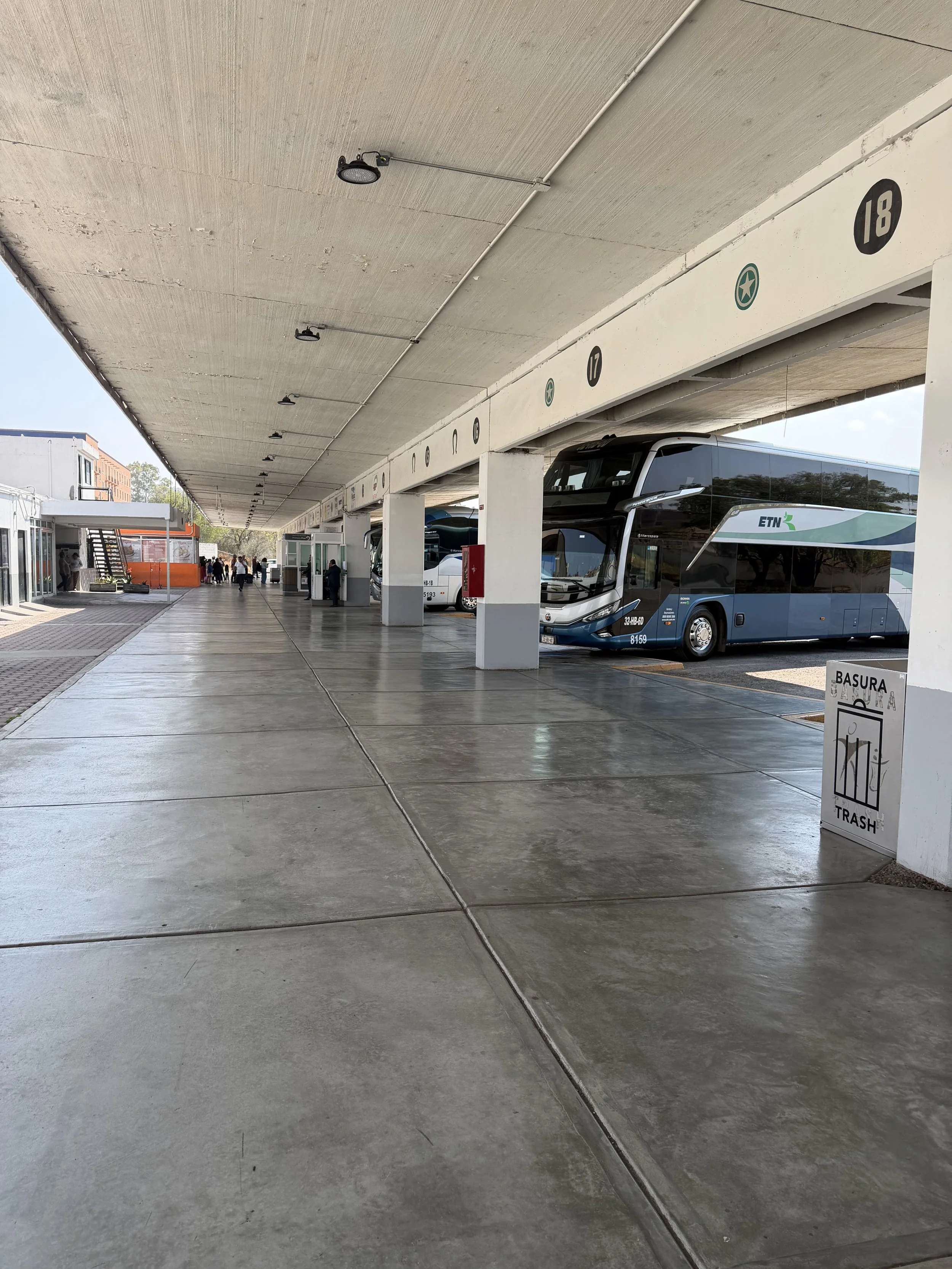
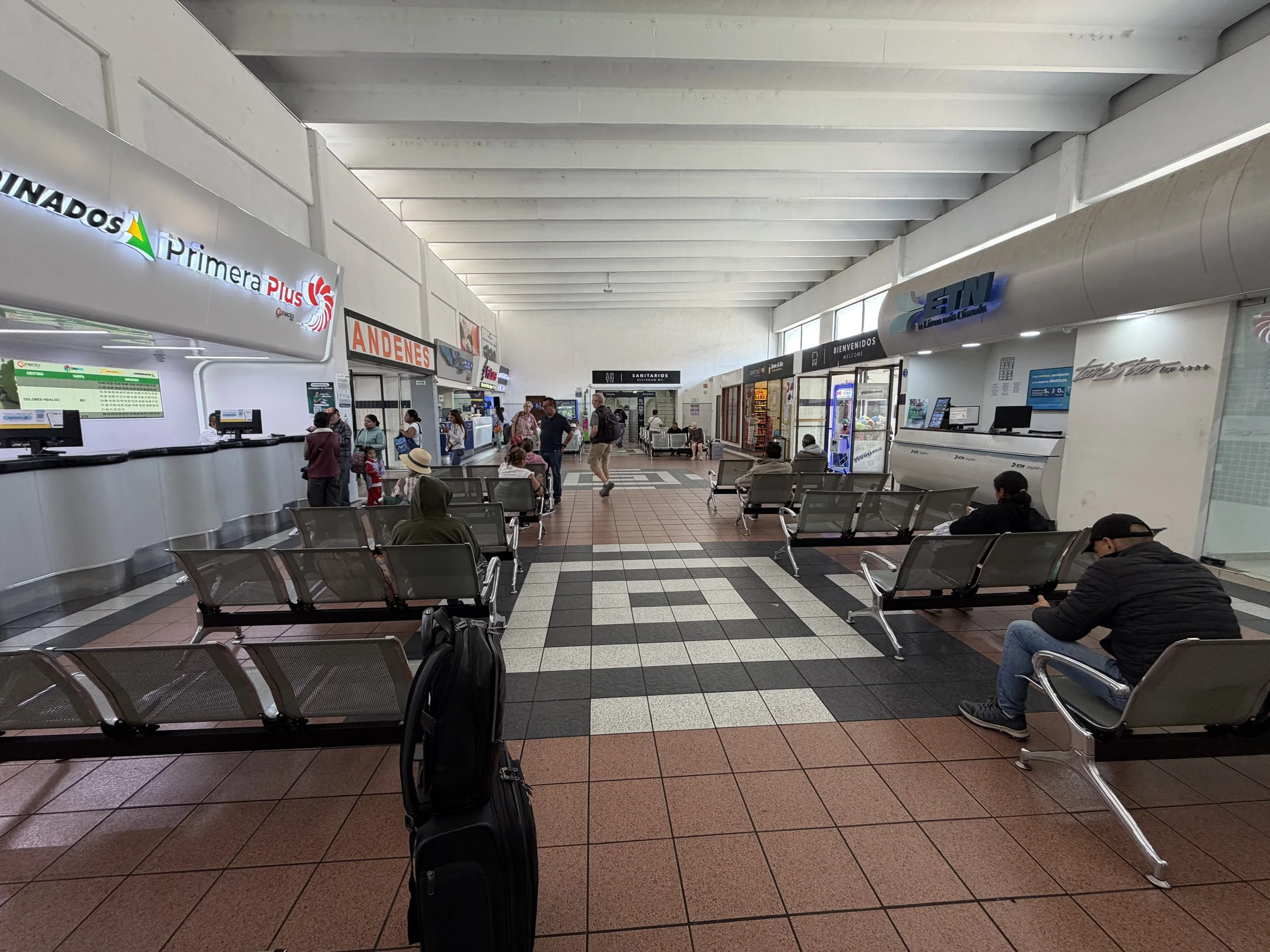
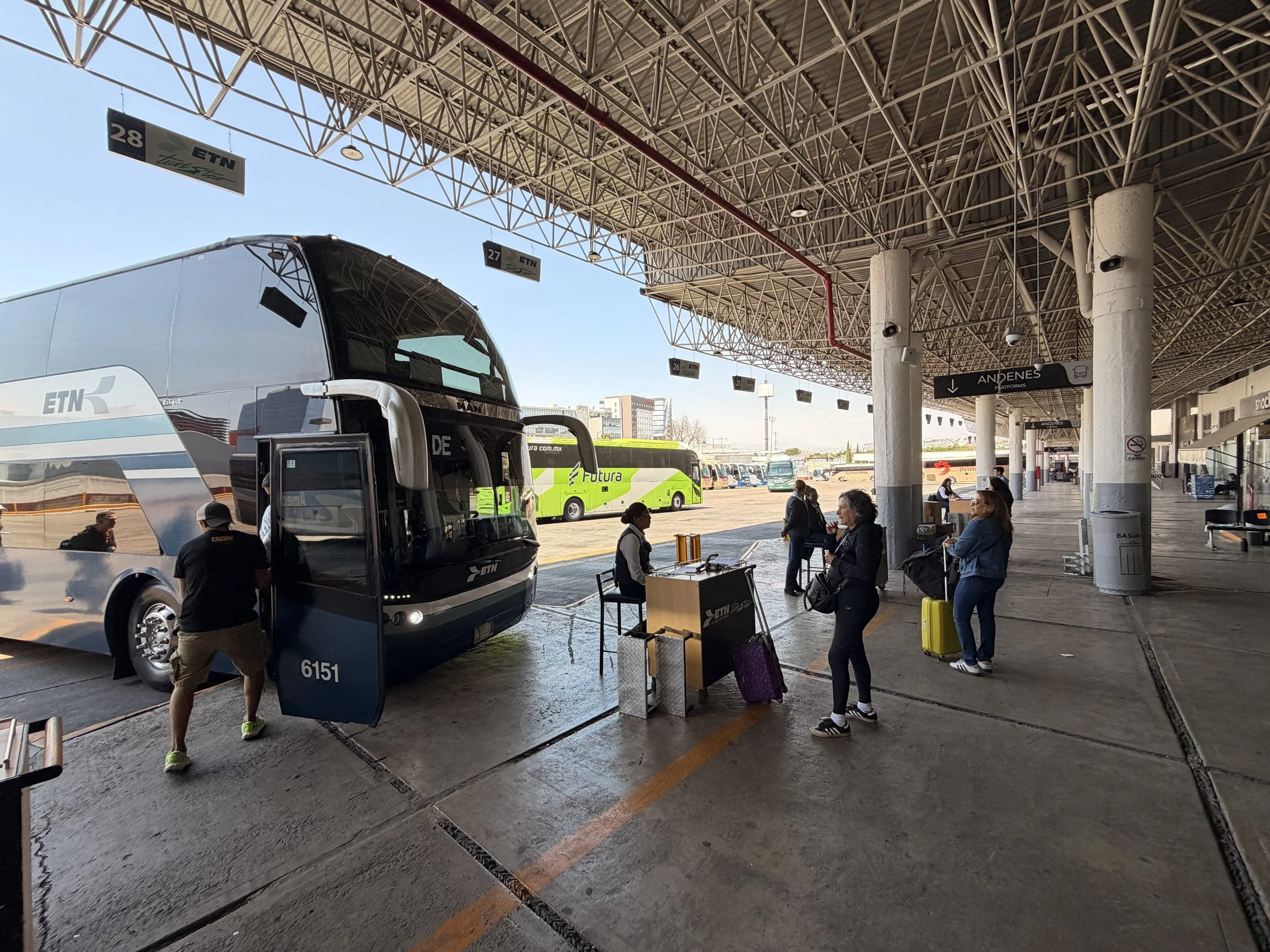
Going from a two-lane road to a three-lane highway is something new to us here in Mexico. We passed industrial areas, modern commercial shopping centers, a circular high-rise hospital, and on into town. From the Terminal de Autobuses, we grabbed a taxi (Uber is not allowed at the terminal for pickup) to our Airbnb in the historic center. We were greeted by Angela, the owner of the house, shown our room, and given a very nice walk-through of the property. She answered our questions, and gave us some helpful suggestions for our stay. Communication was very easy since she spent her early years in Canada, then moved to Mexico some 30 years ago, fell in love, and made this her home with her husband and (now adult) children.
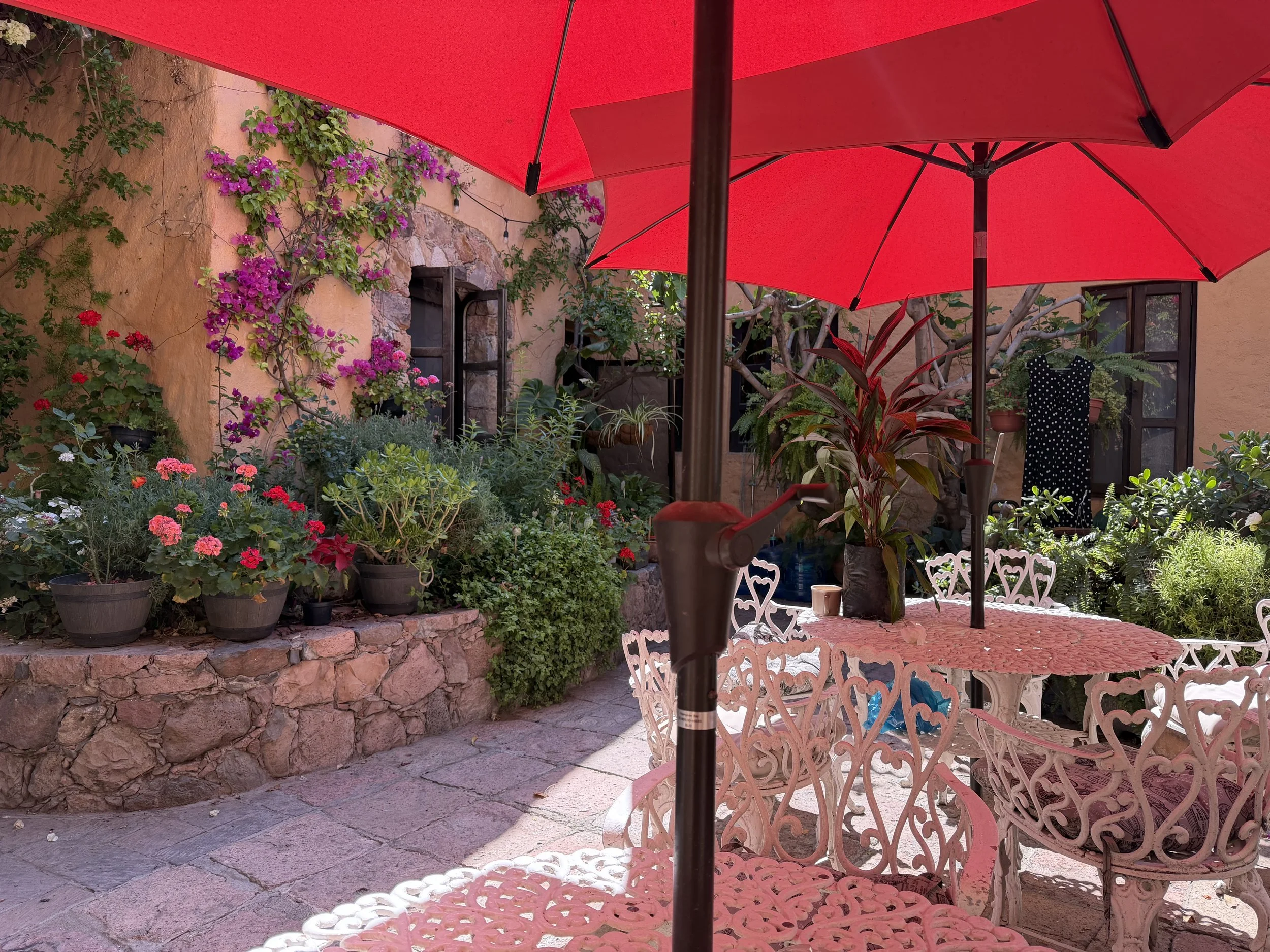
Angela’s Airbnb
We unpacked a bit, grabbed some water and headed out to explore the historic part of the city.
History of Santiago de Querétaro:
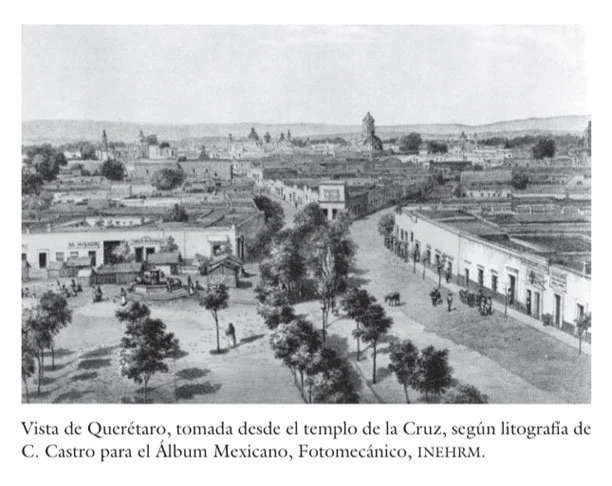
View of Querétaro, taken from the Temple of the Cross, according to a lithograph by C. Castro for the Mexican Album, Photomechanical, INEHRM.
Santiago de Querétaro’s history stretches back centuries. Long before the Spanish arrived, the region was inhabited by Otomí and Chichimeca peoples who lived along important trade routes across central Mexico.
In 1531, the Spanish established the colonial city, and Querétaro soon became a prosperous center for agriculture, commerce, and religion in New Spain.
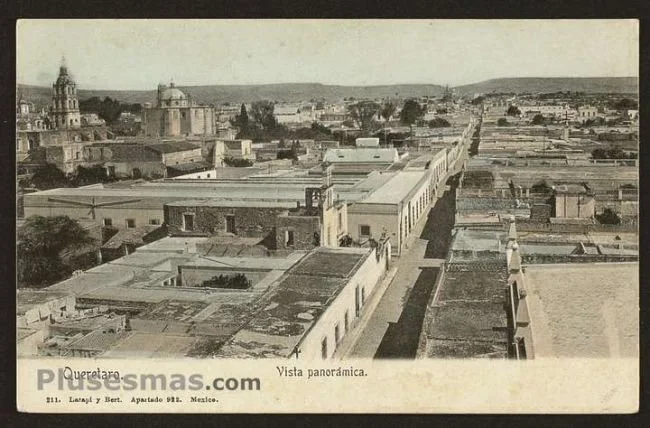
Querétaro 1800’s
During the 18th century, many of the city’s grand churches, convents, and colonial homes were built, many of which still stand in the Centro Histórico today.
Querétaro also played a key role in Mexican history—the conspiracy that sparked the War of Independence began here in 1810, and the Mexican Constitution was signed here in 1917.
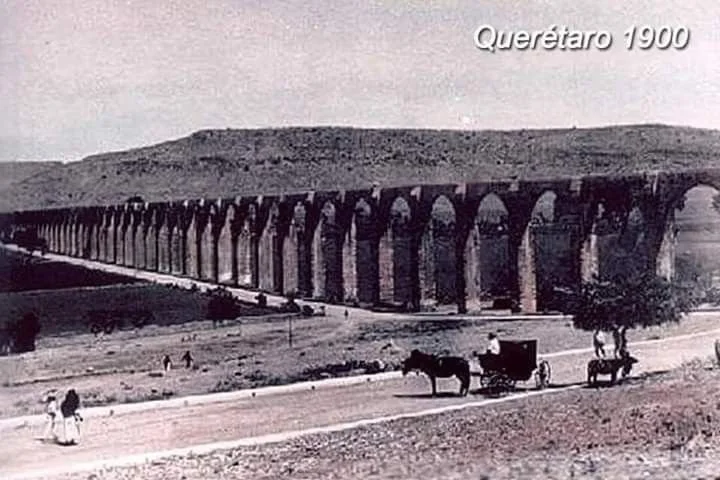
Querétaro 1900’s
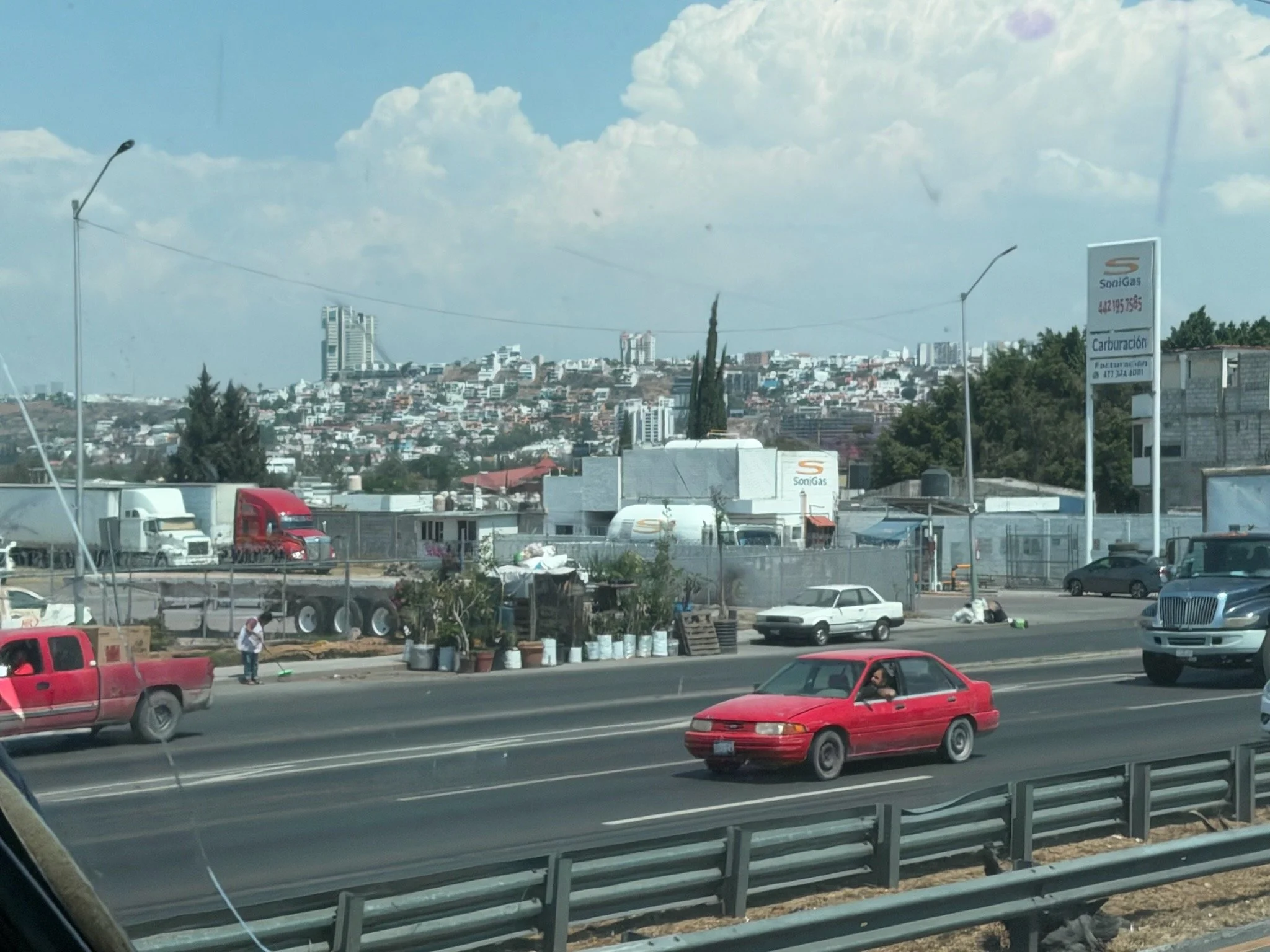
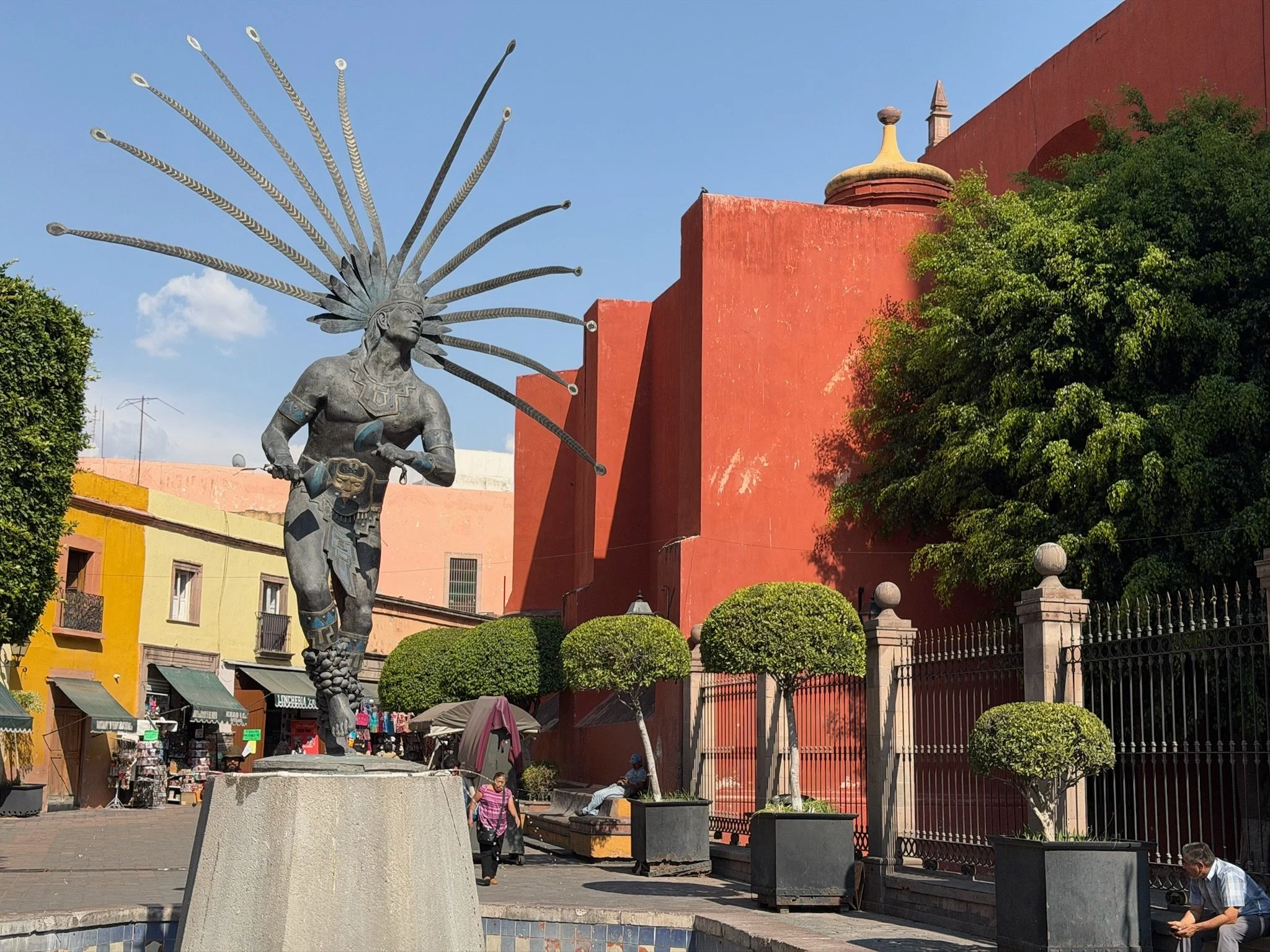
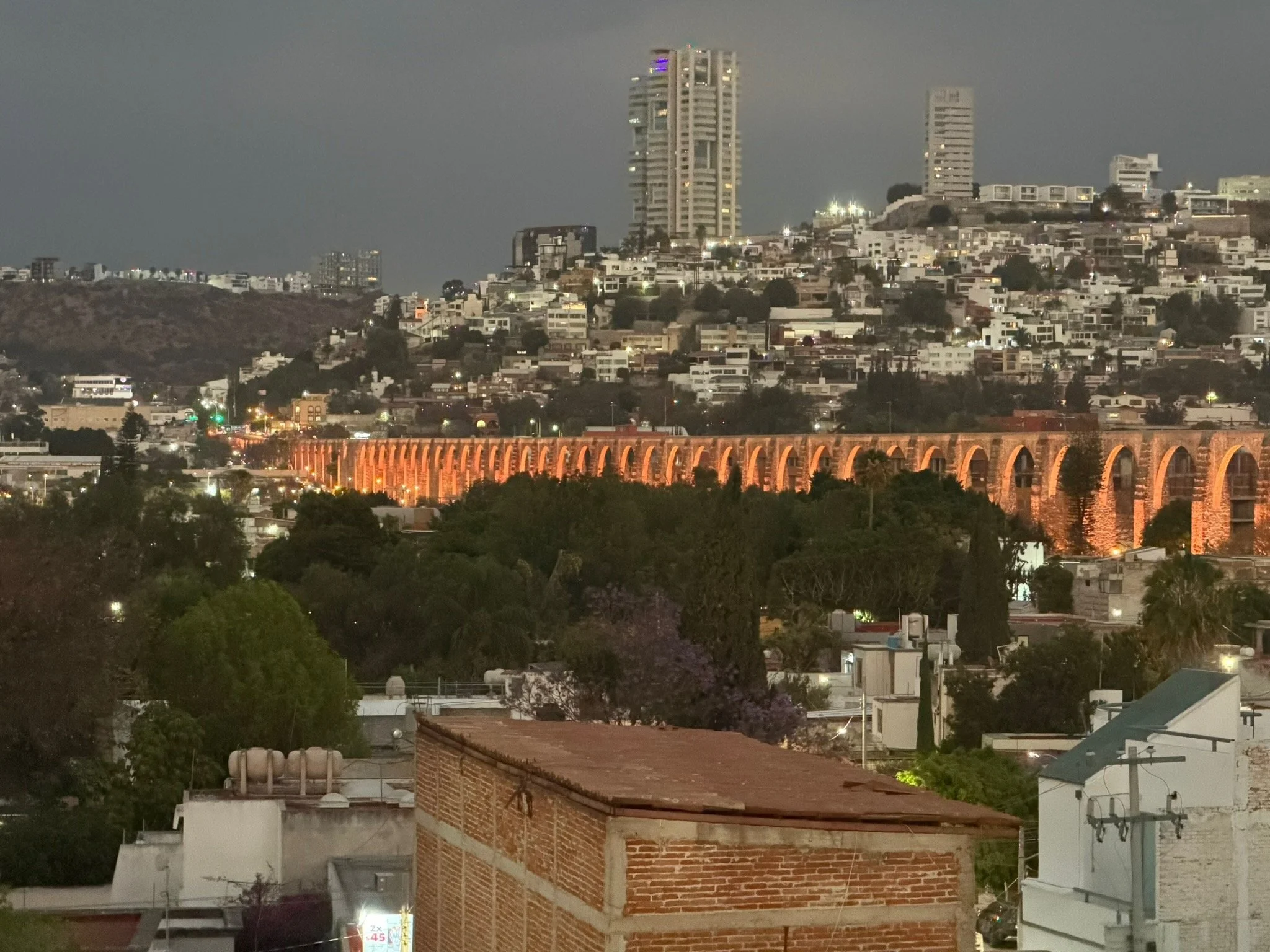
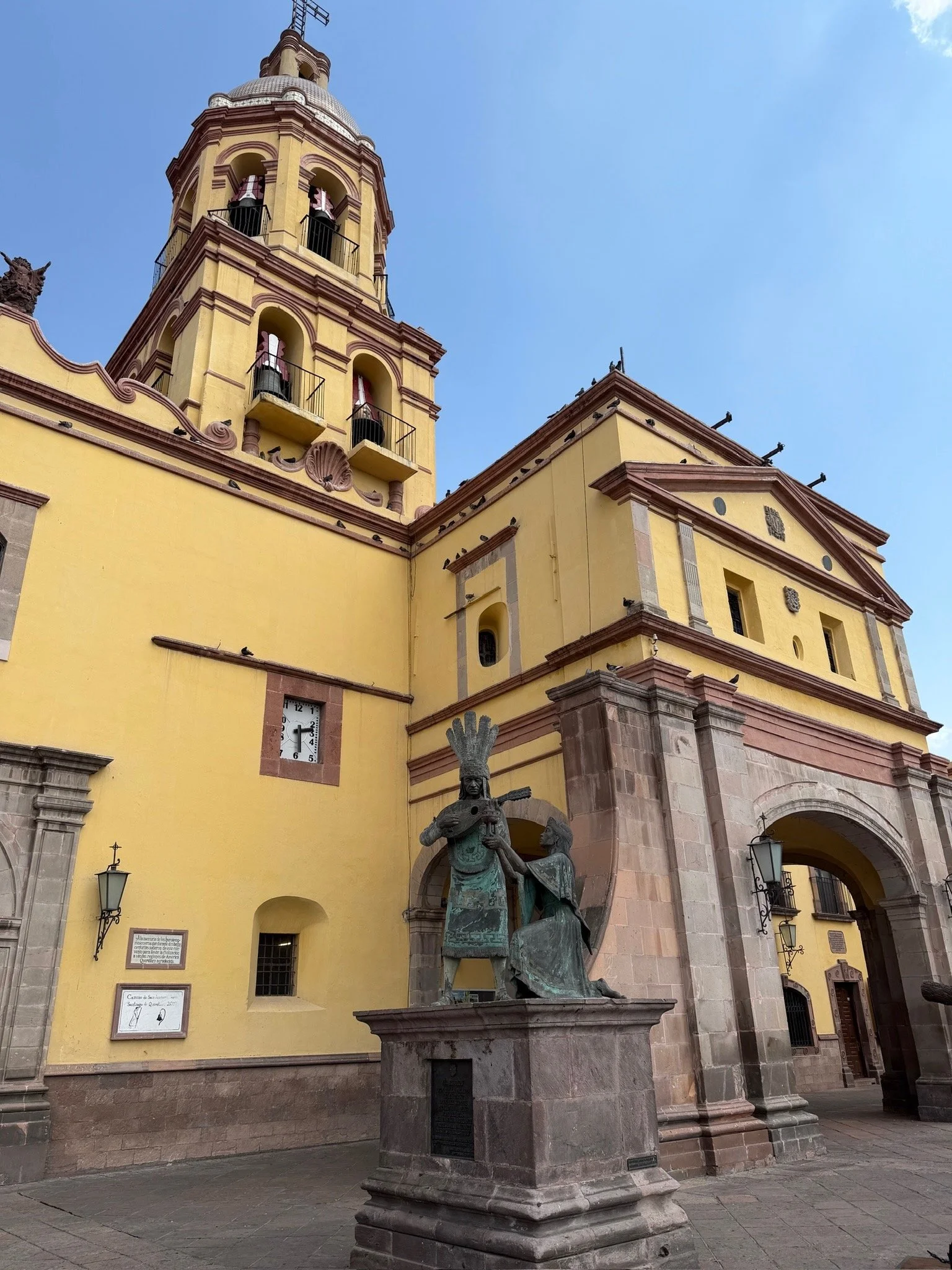
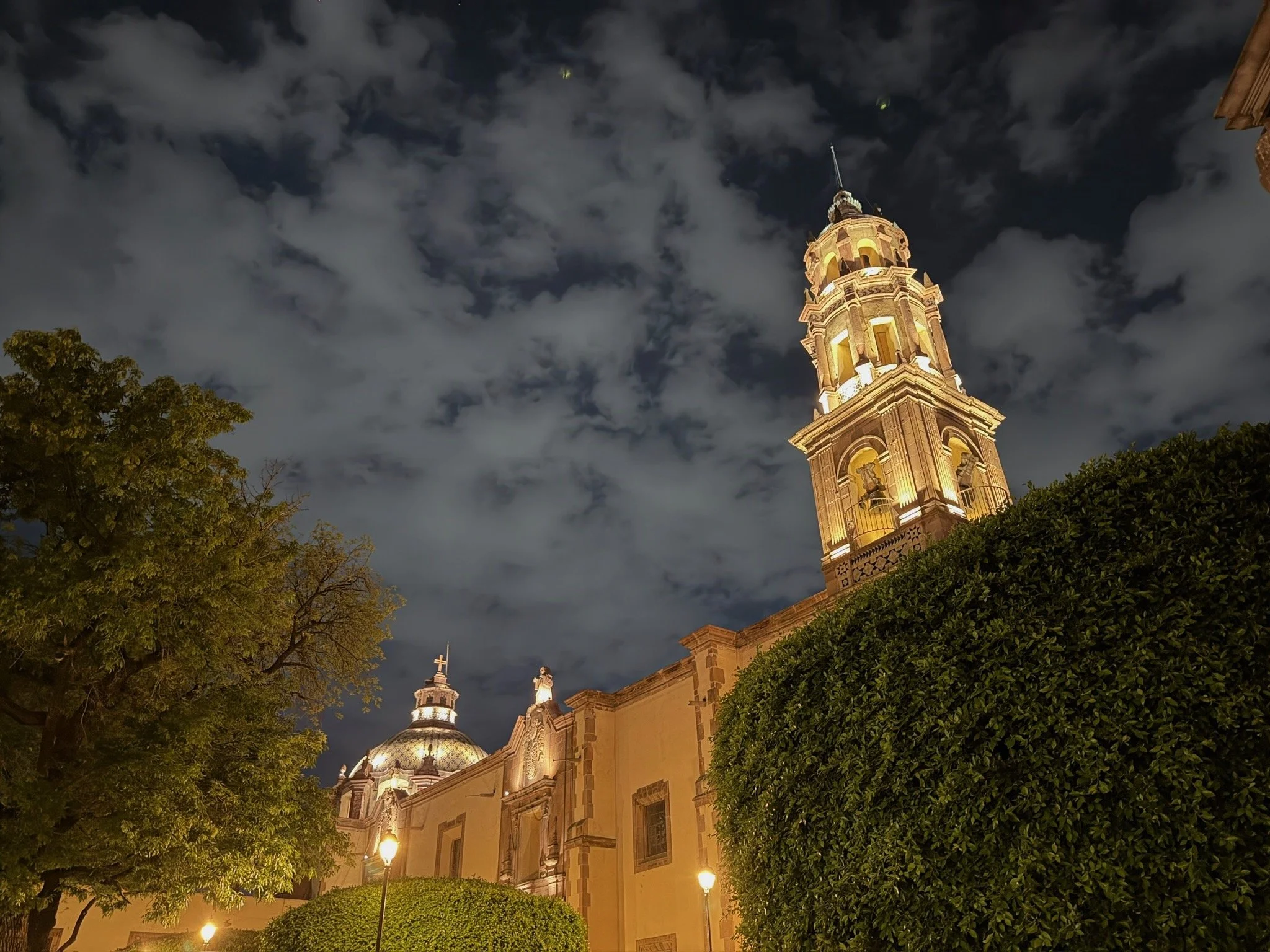
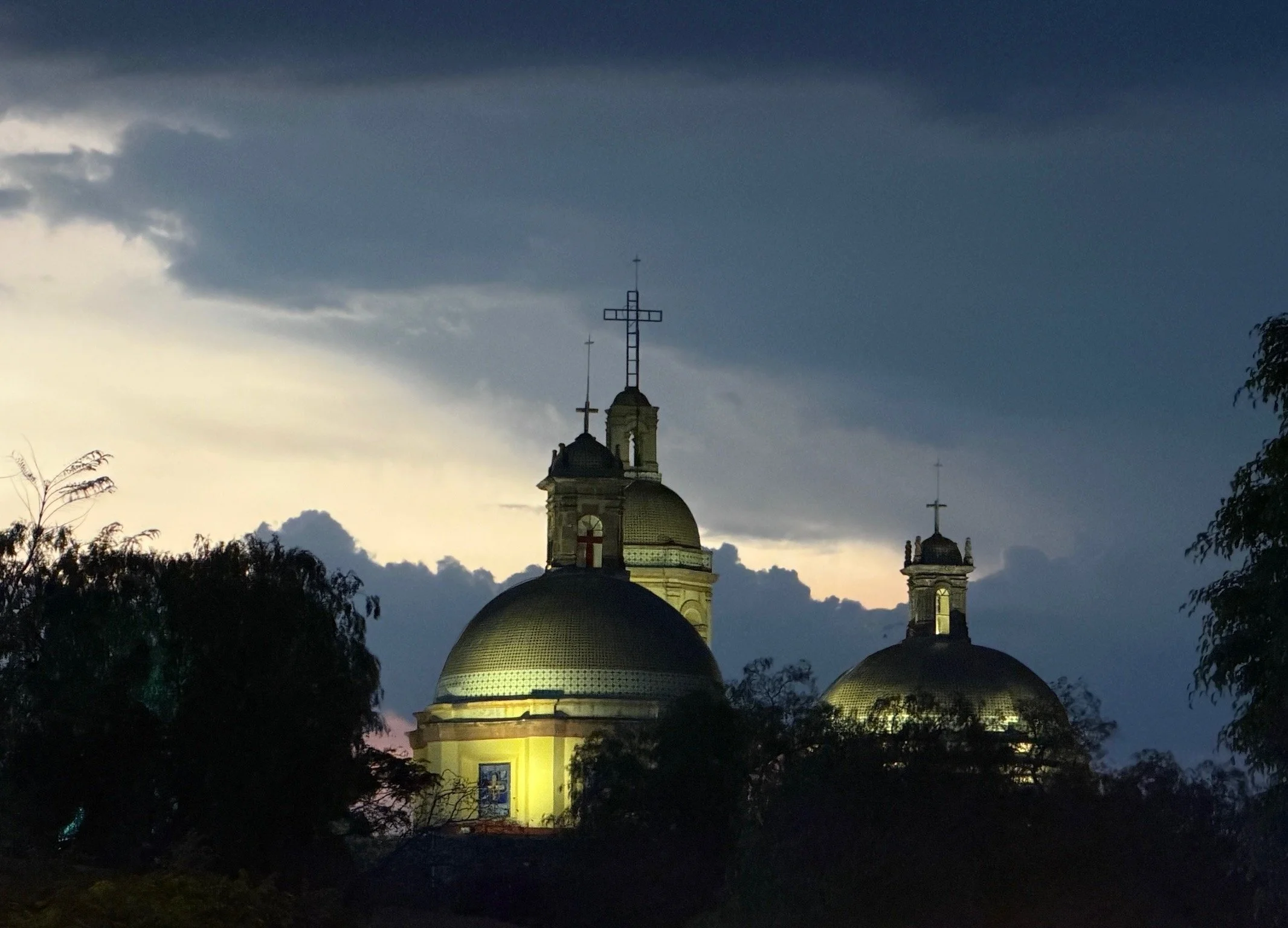
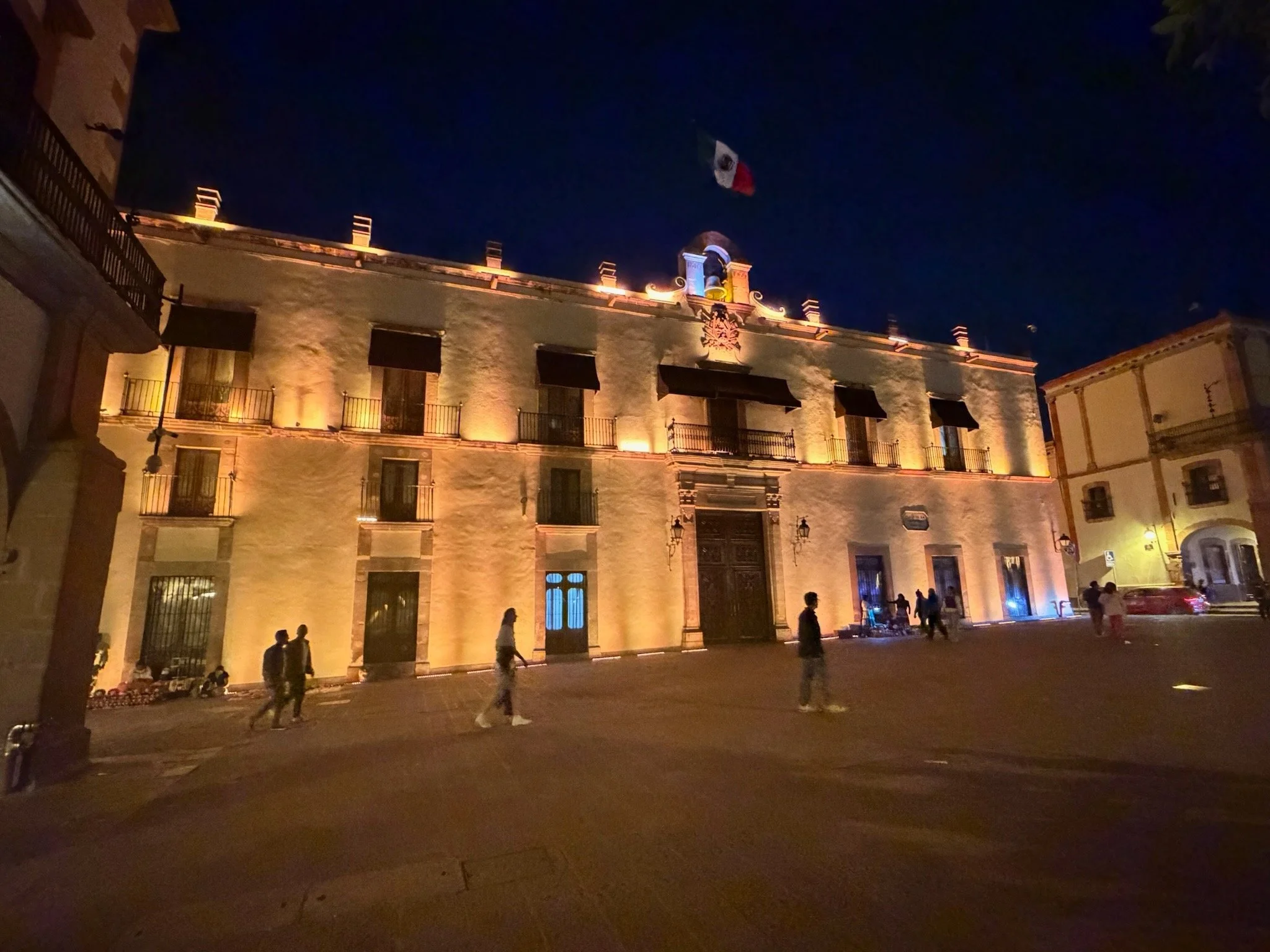
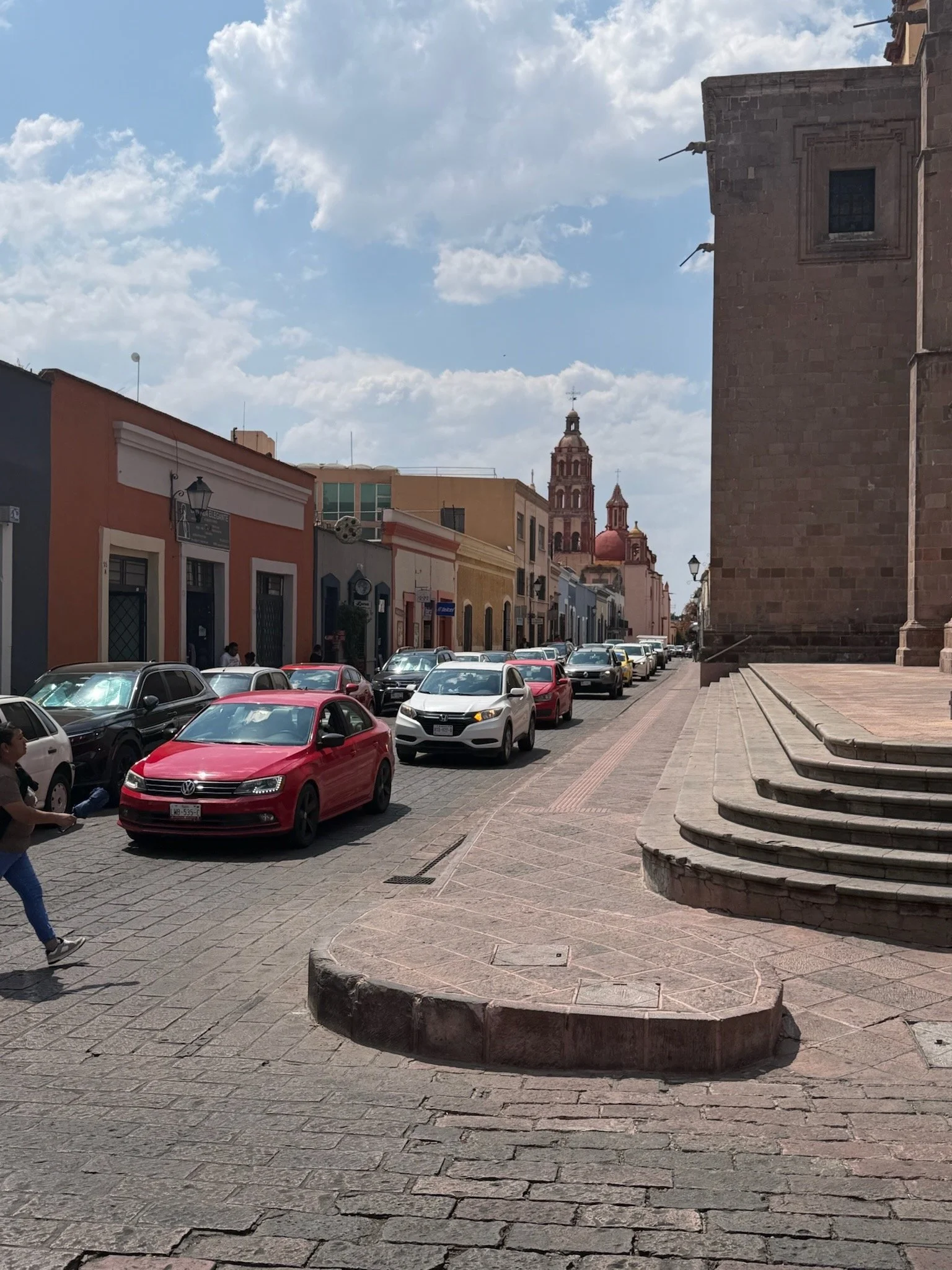
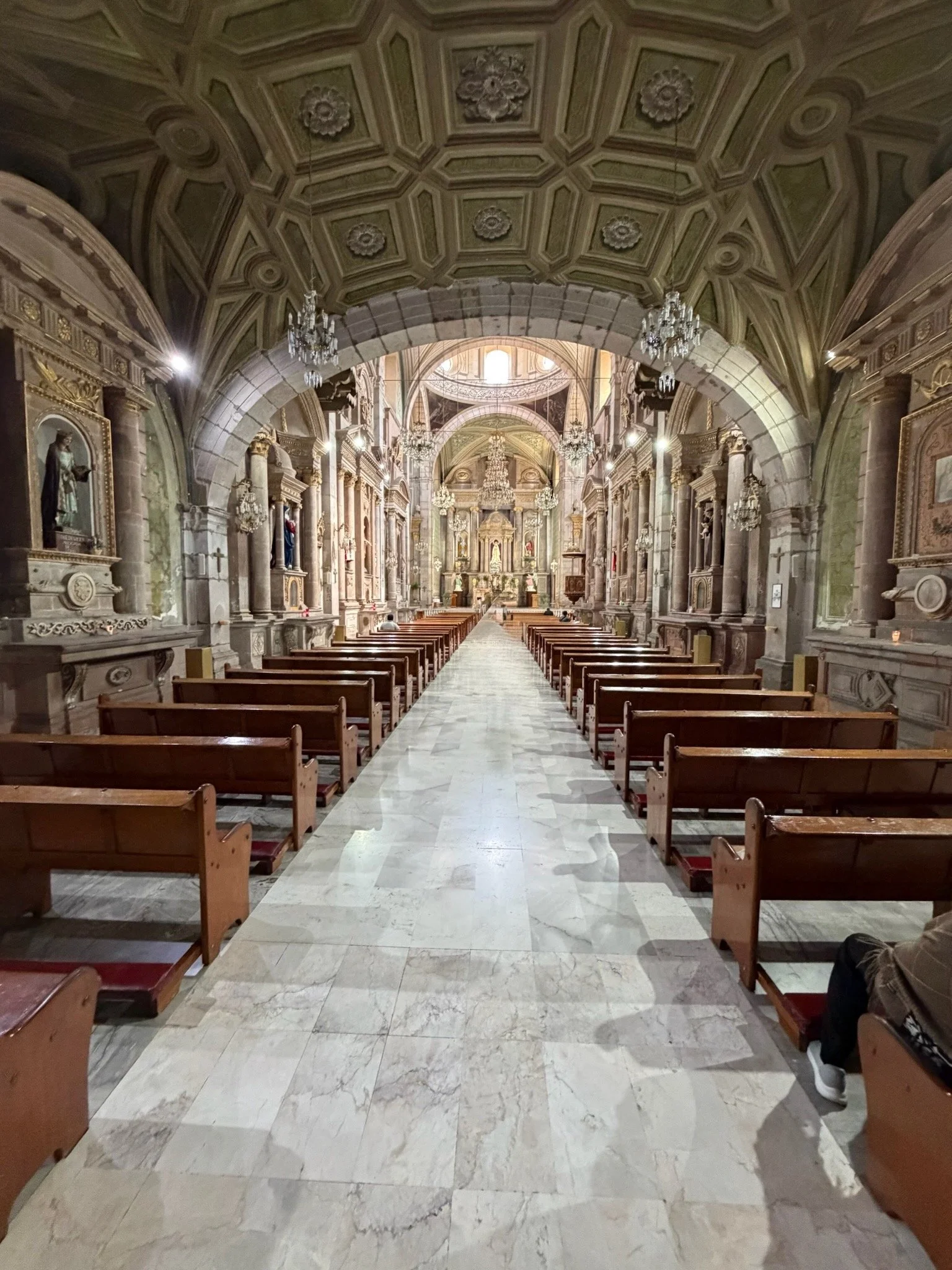
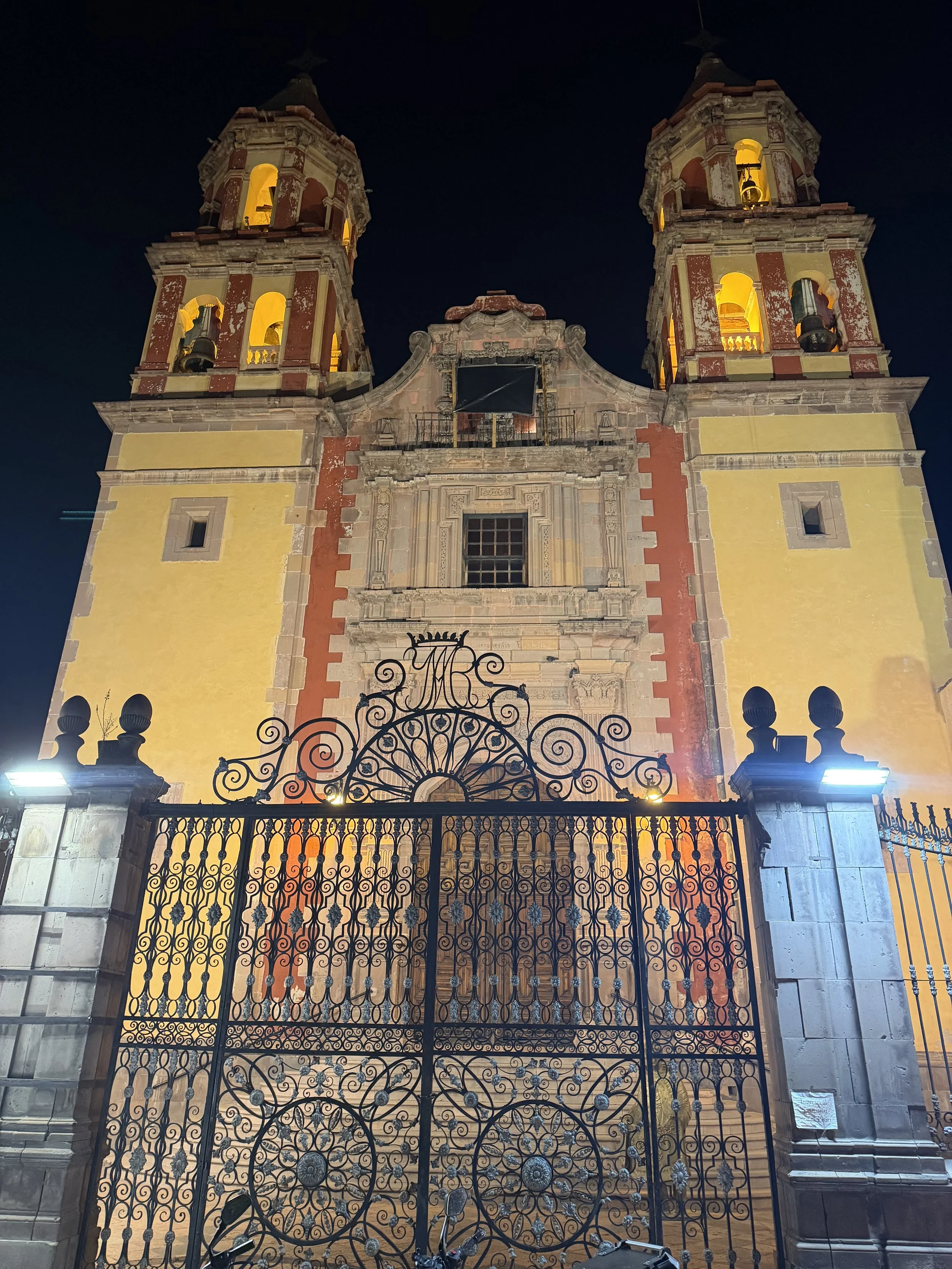
Today, Querétaro is a vibrant and rapidly growing city that balances its rich colonial heritage with modern industry and development. The old town (The Historic Center) is filled with bright shops, restaurants, hotels and markets where one can browse endlessly. On the hills surrounding the city you see a mix of houses, high-rise apartments and tall skyscrapers, the tallest being the Hospital San José Moscati (36 floors), Ikani, and Juriquilla Towers, with heights reaching up to 155 meters (508ft).
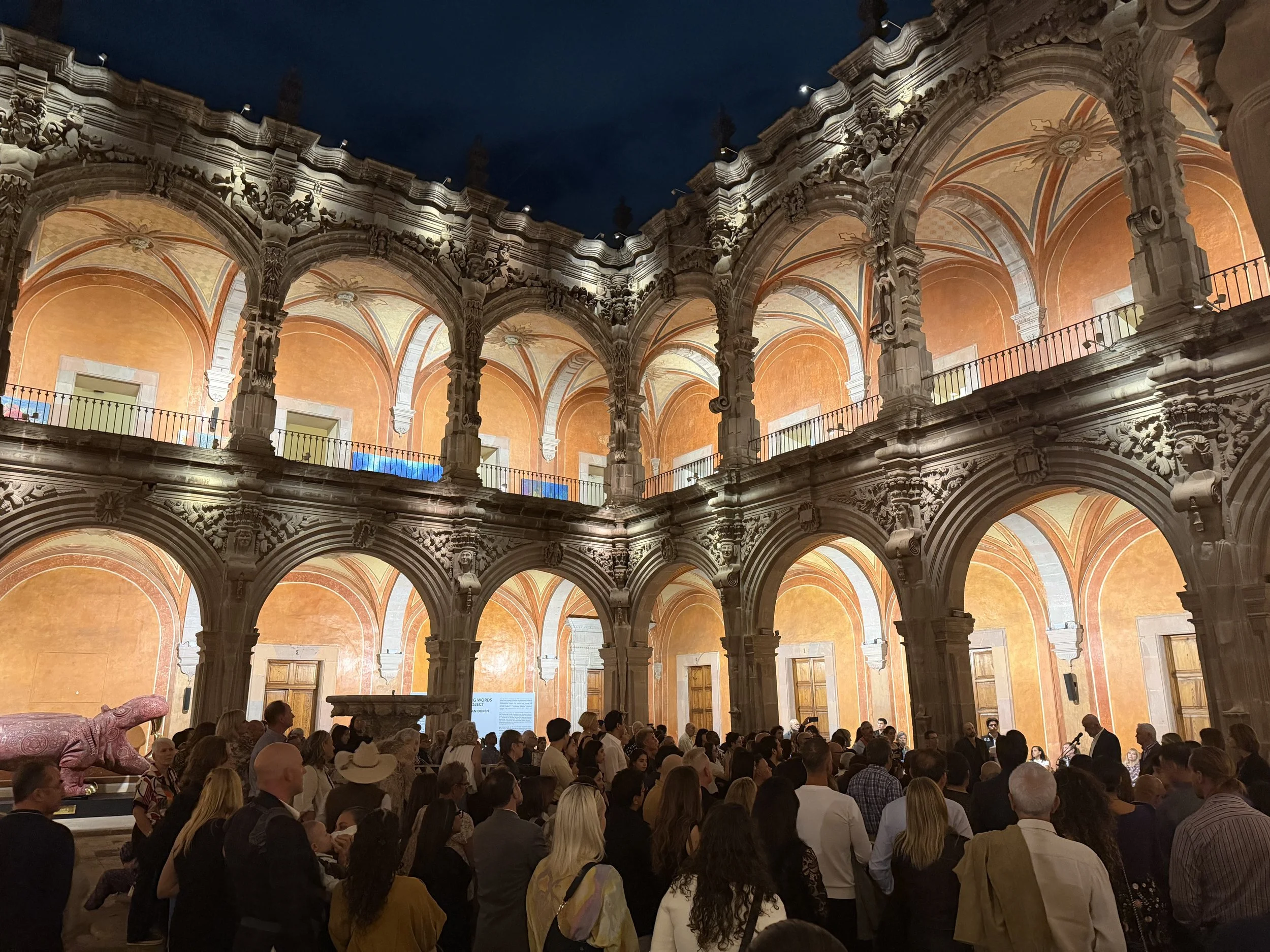
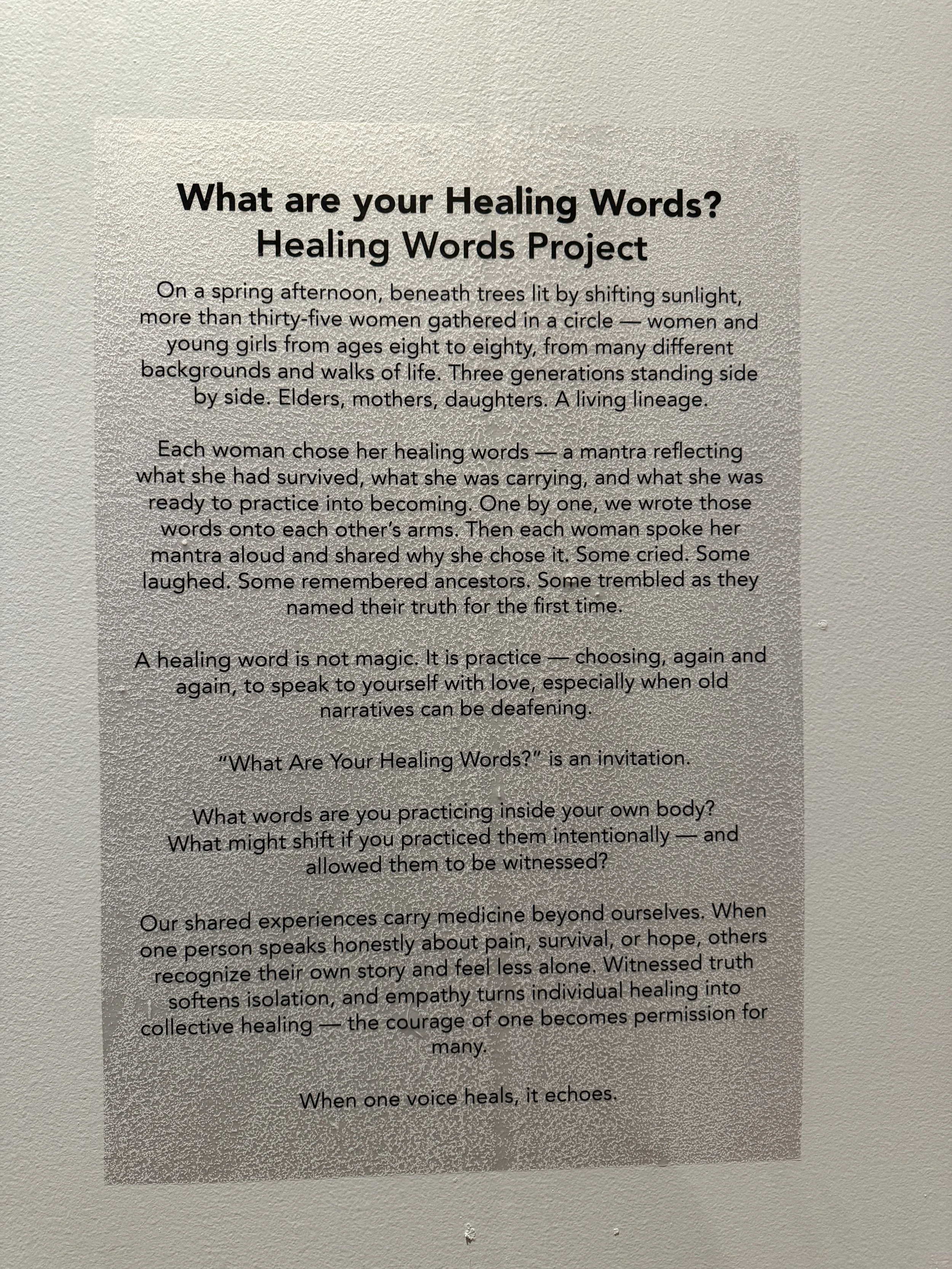
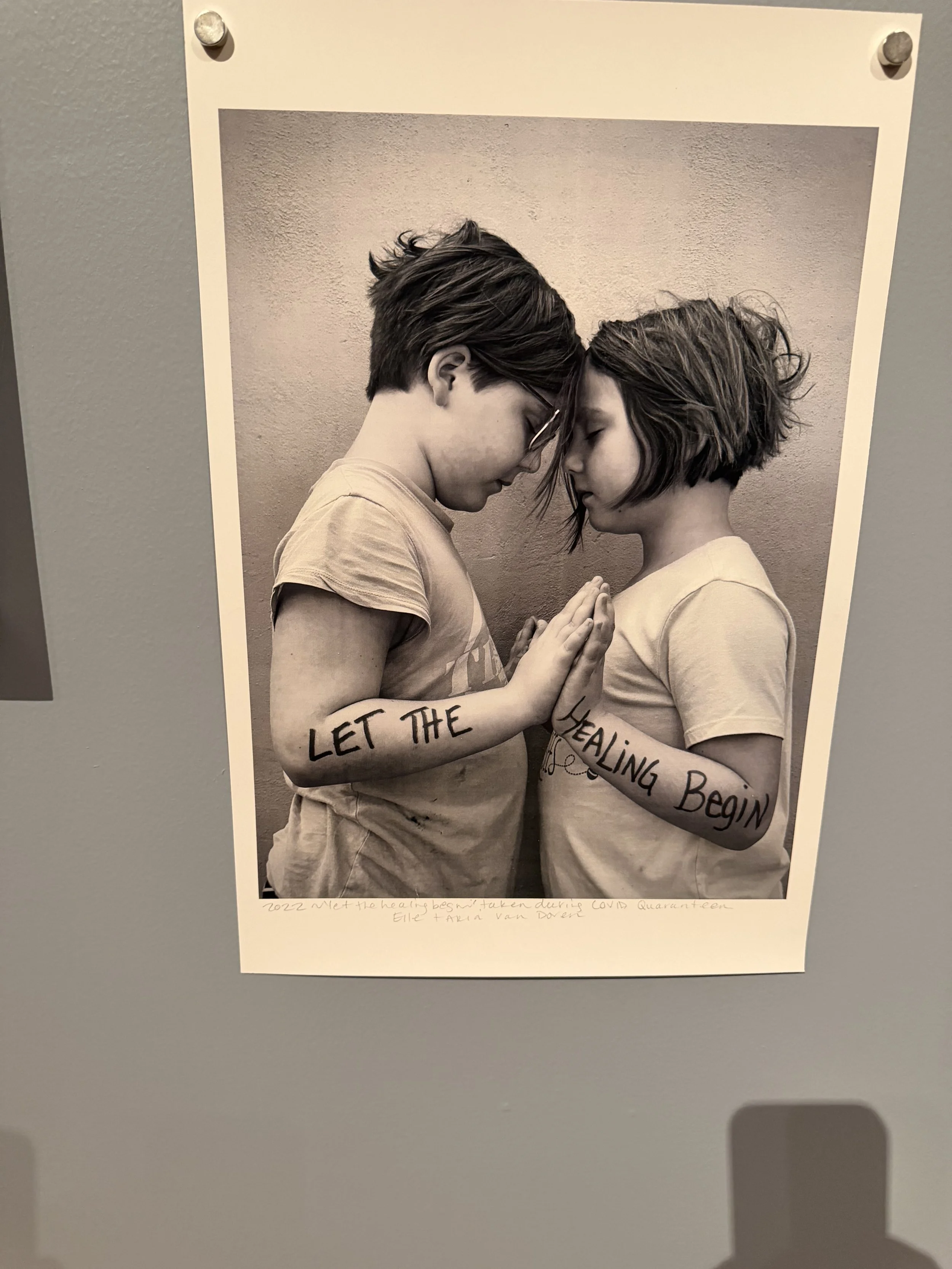
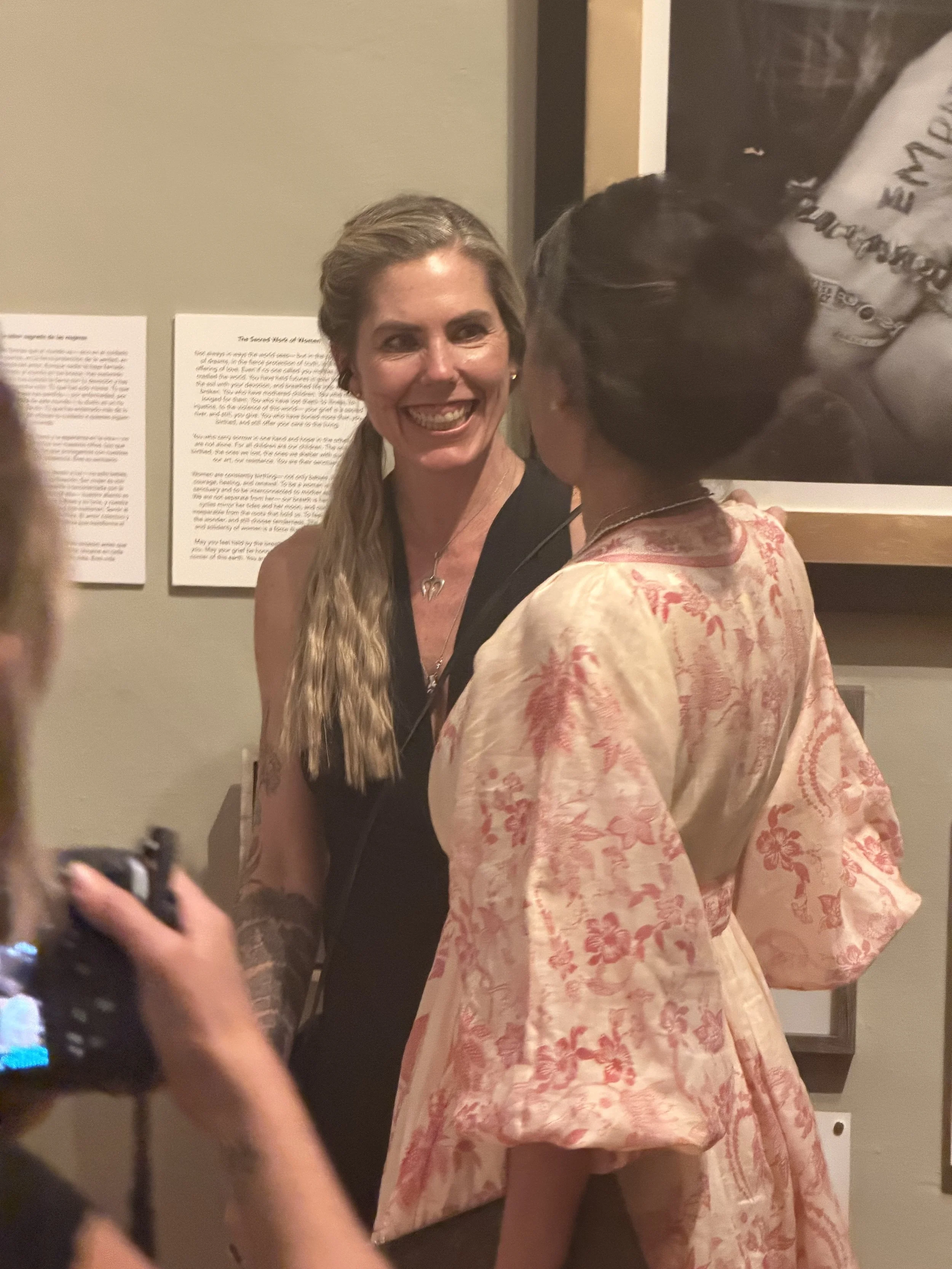
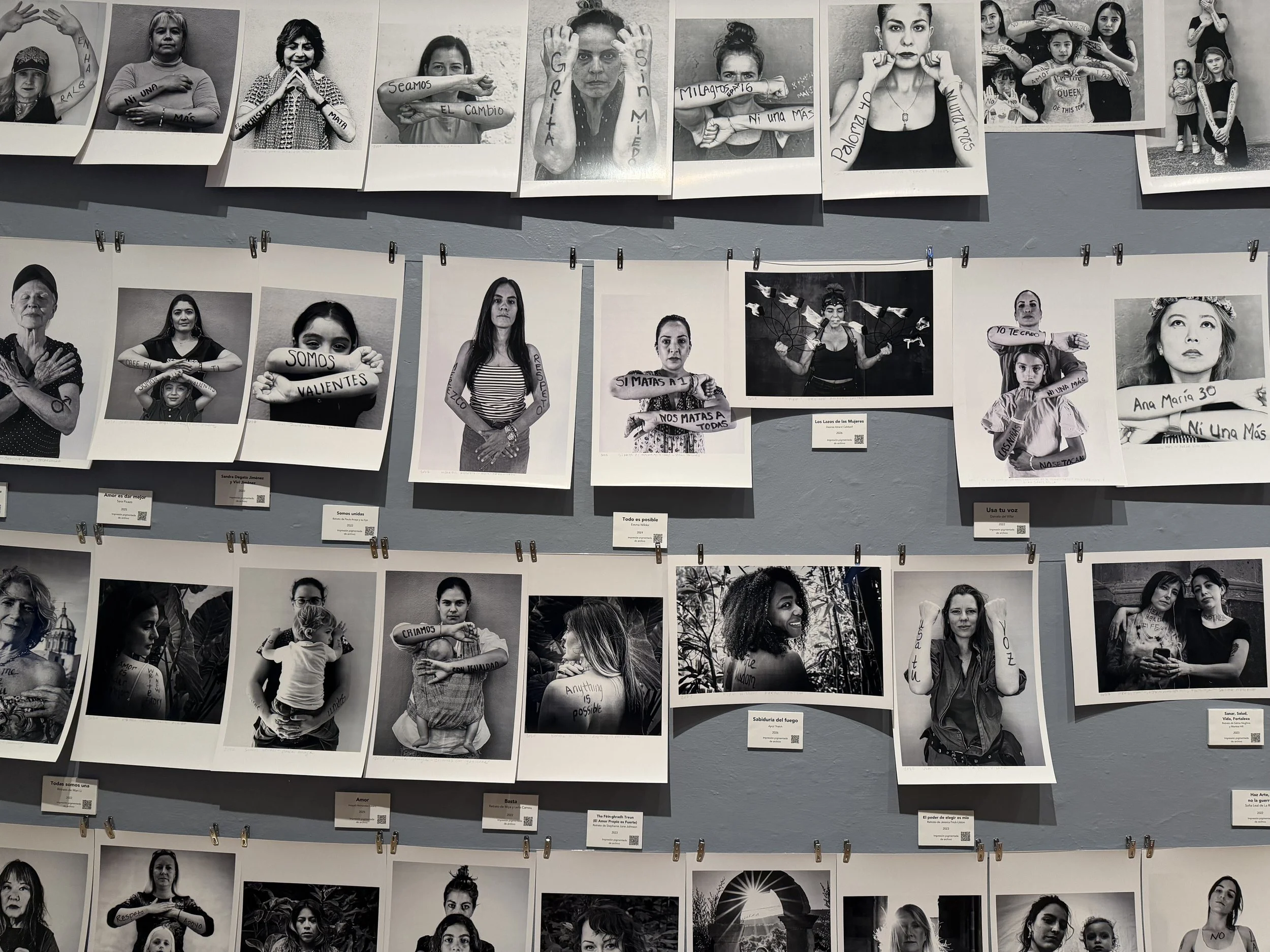
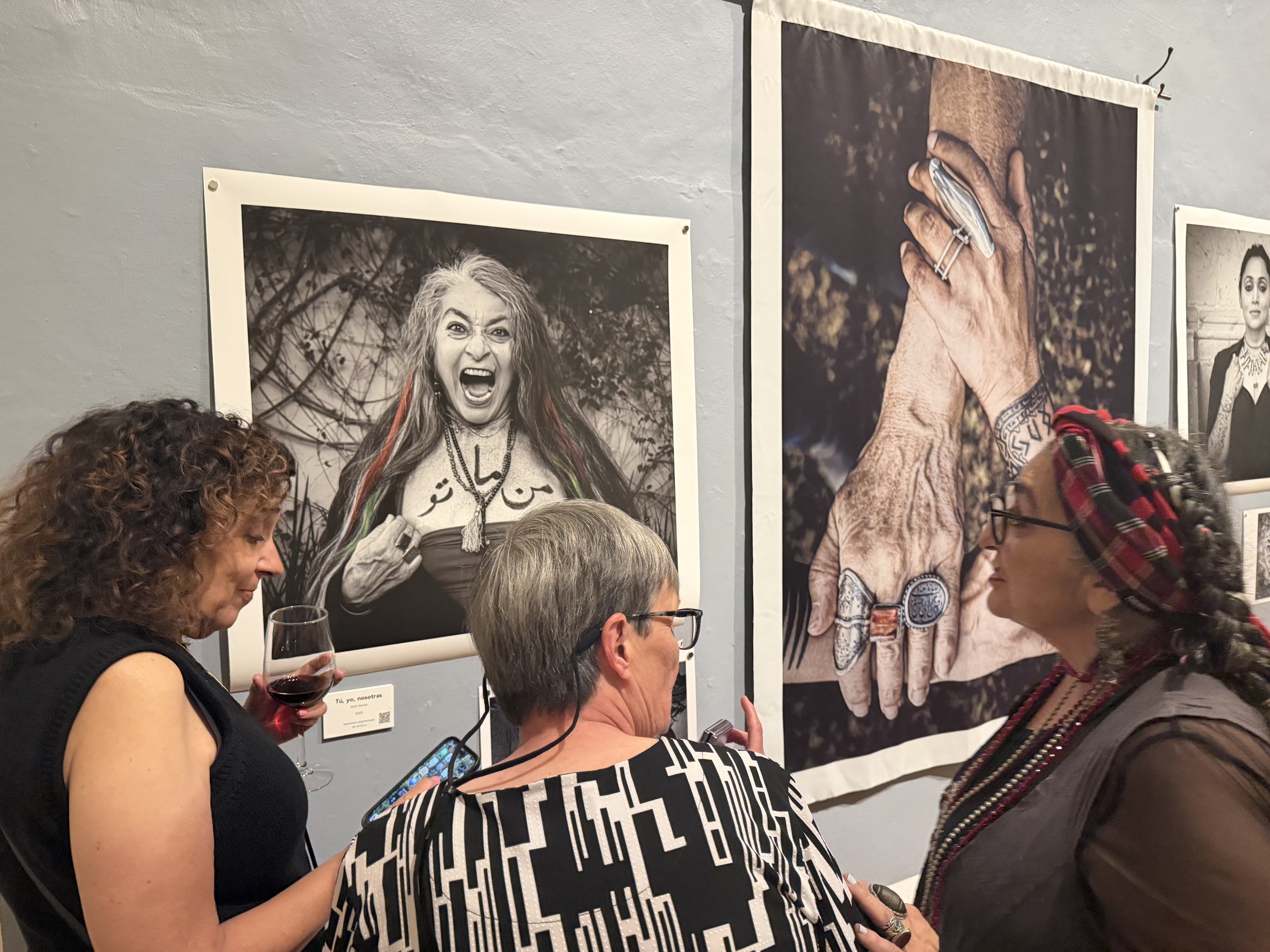
We were very fortunate to be at the Museo de Arte (Querétaro Art Museum) the day of the opening of a very special show Healing Words Project , Kate Van Doren: The Healing Words Project Exhibiton. “The Healing Words Project is an international creative arts collective with more than 2,000 women and gender-expansive voices worldwide. Grounded in neuroscience and positive psychology, the project uses phototherapy, creative writing, and collaborative art-making to support healing. Its focus is on rewriting narratives shaped by trauma and silencing.”

Quetérieo is a very interesting city, if you have time, it is well worth a few days or more to exploer….