
The Story Behind San Miguel de Allende
San Miguel de Allende has a way of feeling timeless—cobblestone streets, brick balconies, spilling bougainvillea, church bells echoing across the rooftops. But the beauty travelers fall for today is the result of centuries of reinvention: an Indigenous landscape, a colonial frontier outpost, a wealthy trade town, a town that once flew under the radar, and finally a global arts destination and UNESCO-protected historic center.
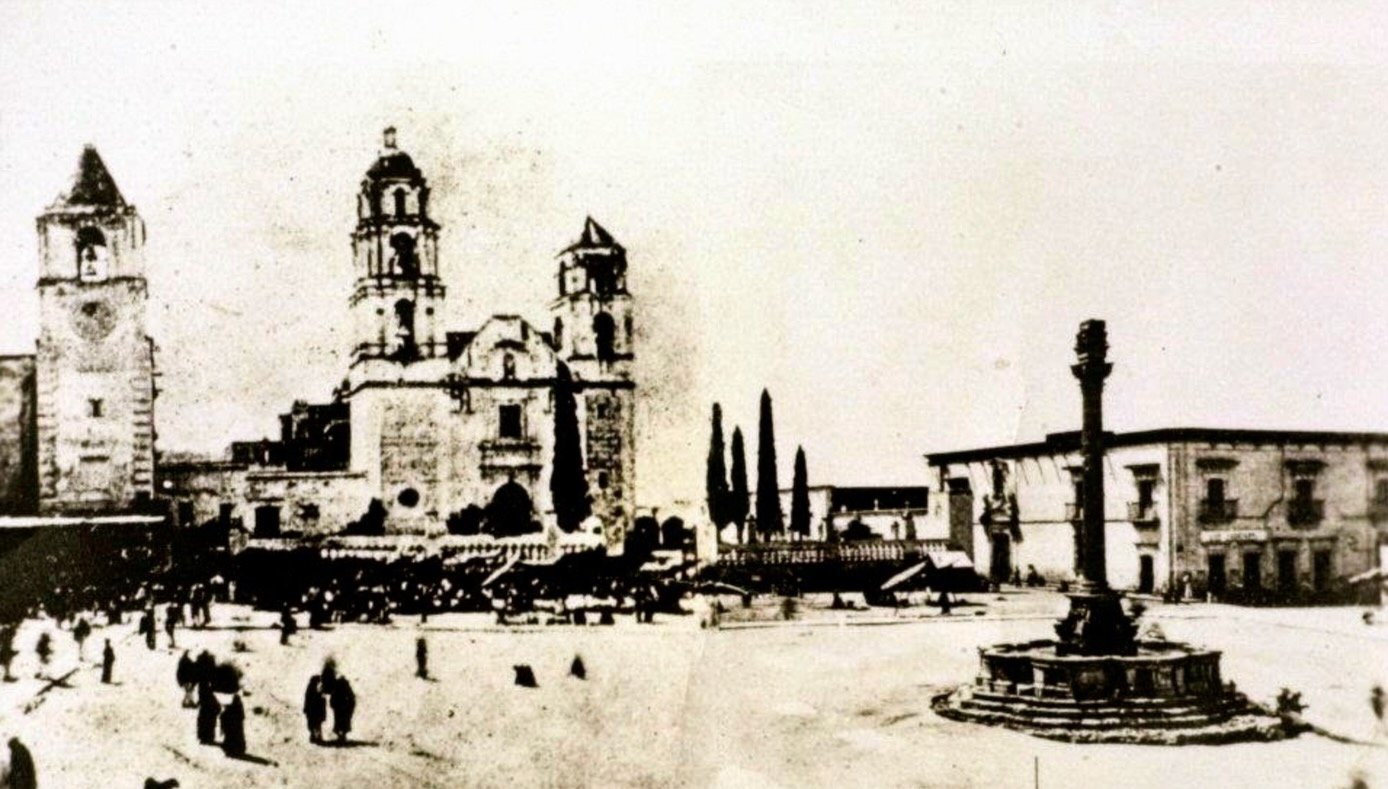
The main church is the old parish church (before the iconic pink Gothic-style façade of Parroquia de San Miguel Arcángel was added).Circa 1870–1885.
Before “San Miguel”: Indigenous roots and a contested frontier
Long before the city became a postcard of colonial Mexico, the region was home to Indigenous communities—part of a broader northern frontier zone the Spanish later grouped under the label “Chichimeca.” Early Spanish expansion into central-northern Mexico ran into fierce resistance, and the area’s first colonial settlements were shaped by the push-and-pull of defense, water access, and trade routes.

The neo-Gothic façade of the Parroquia is now fully present. Designed by Zeferino Gutiérrez in the 1880s–1890.
This is worth remembering as you walk the historic center: the story isn’t only elegant courtyards and Baroque façades. It’s also a frontier landscape where different cultures collided, negotiated, and—over time—mixed in ways that would become part of the town’s identity. UNESCO later highlighted this “interchange of human values” as central to why San Miguel matters globally.
Founding and early purpose: a strategic town on the road north
San Miguel was founded in the mid-1500s (often cited as 1542) as a Spanish settlement—initially known as San Miguel el Grande—and its location was no accident. It sat on an important corridor connecting Mexico City to the mining districts and northern frontiers. Over time, these routes helped create the economic logic of the region: agriculture, ranching, supply caravans, and the business of moving people and goods.
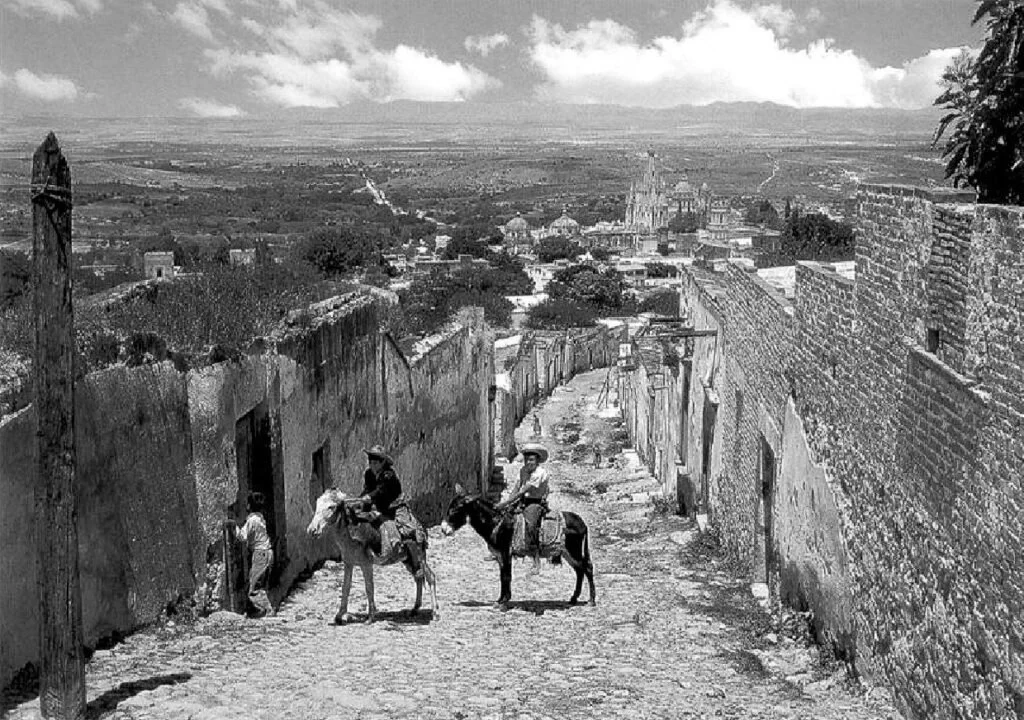
People are traveling by donkey/horse, typical of early 20th-century daily life, and the town looks small and undeveloped beyond the center.
UNESCO’s description of the World Heritage site emphasizes how San Miguel’s role and location helped turn it into a “melting pot” where Spanish, Creole, and Indigenous influences blended—visible today in architecture, urban layout, and living traditions.
The 17th–18th centuries: prosperity, architecture, and the “look” you travel for
San Miguel’s golden age is closely associated with the 18th century, when wealth from regional commerce and proximity to mining economies supported ambitious building. Many of the religious and civic structures that define the city’s visual identity date to this era or were substantially shaped by it—stone churches, mansions with grand doorways, interior courtyards, and a coherent urban fabric that still feels remarkably intact.
This is where the travel-blog lens really clicks: the “San Miguel aesthetic” isn’t a modern theme—it’s layered history. UNESCO notes the city as an exceptional example of integrating architectural trends and styles on a 16th-century urban plan, producing a strikingly harmonious townscape.
Any history of San Miguel that stops at the city limits misses one of the region’s crown jewels: the Sanctuary of Jesús Nazareno de Atotonilco, just outside town. Together with San Miguel’s historic center, it forms the UNESCO World Heritage inscription.
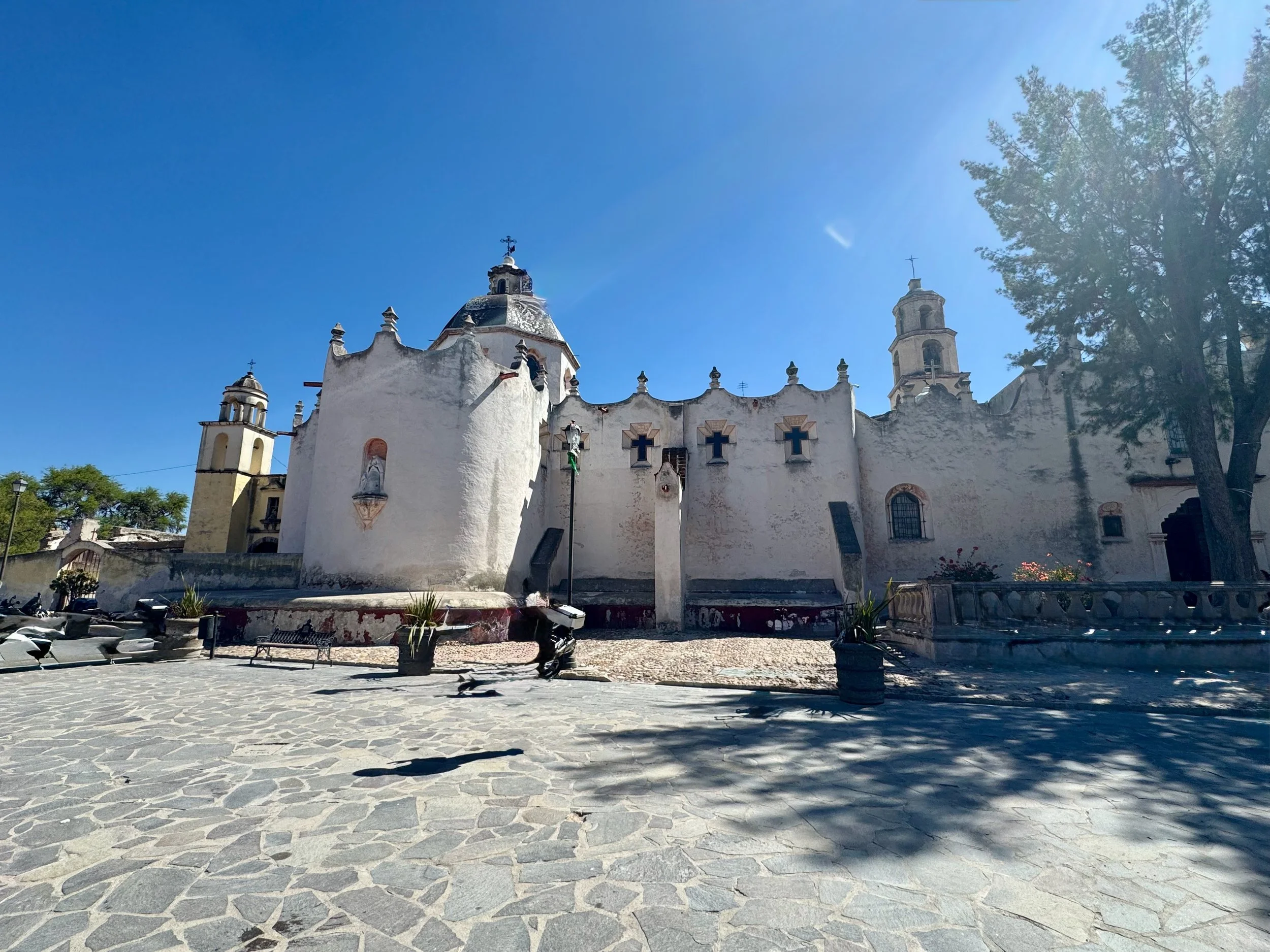
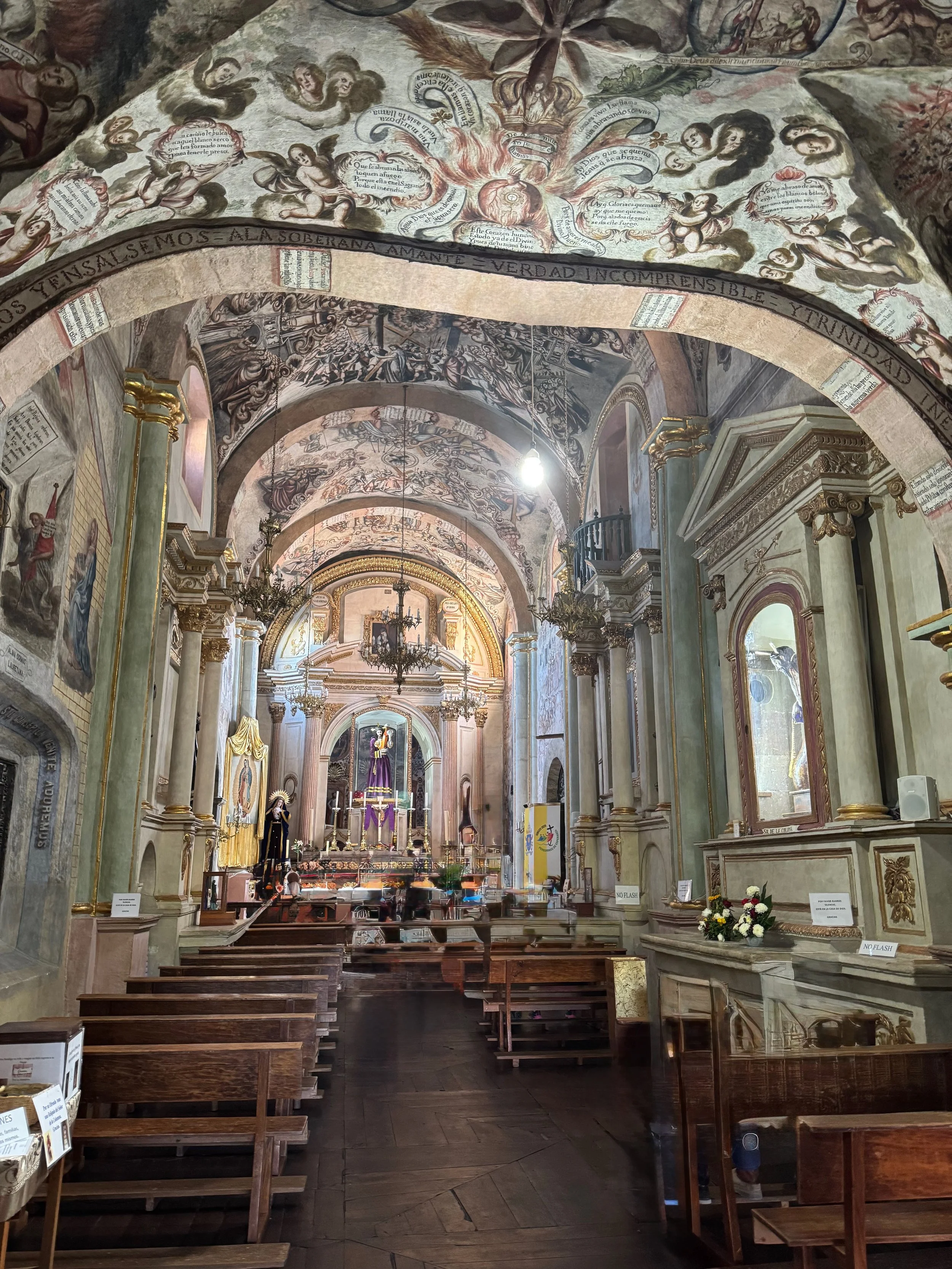
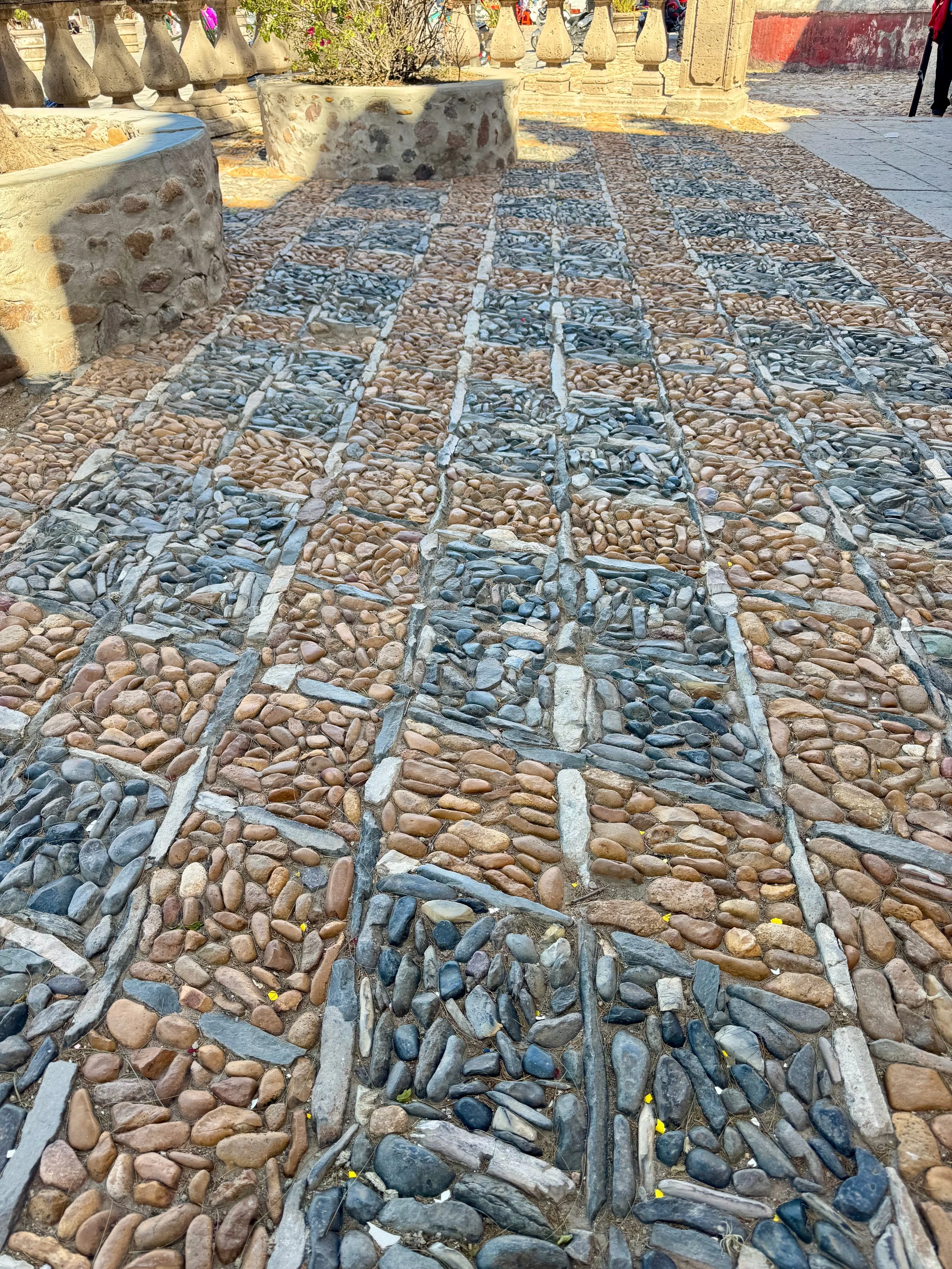
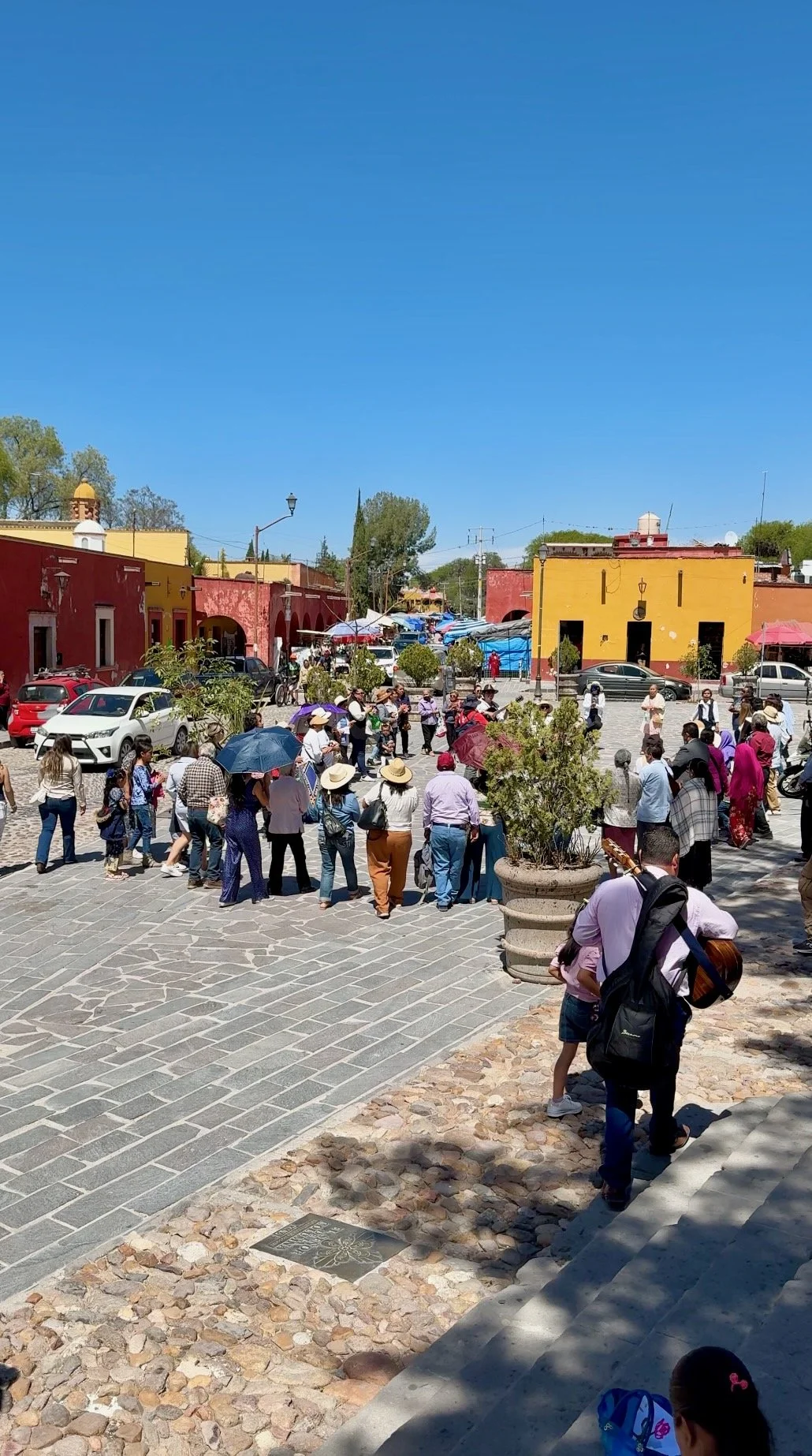
For travelers, Atotonilco adds a powerful dimension: a site that connects art, devotion, and the emotional texture of Mexico’s religious history—one more reason San Miguel is more than “pretty streets.”
The early 1800s: San Miguel in the story of Independence
San Miguel’s name is inseparable from Mexico’s independence movement. The city is the birthplace of Ignacio Allende, one of the key early leaders who joined the conspiracy against Spanish rule and became a central figure in the opening stage of the Mexican war of Independence.
As the independence plot unraveled in 1810, warnings and messages traveled through towns in this region—helping set the stage for the famous “Grito de Dolores.”, the moment that sparked the War. San Miguel’s prominence in these events is part of why it later took on Allende’s name.
Renamed in honor: “de Allende”
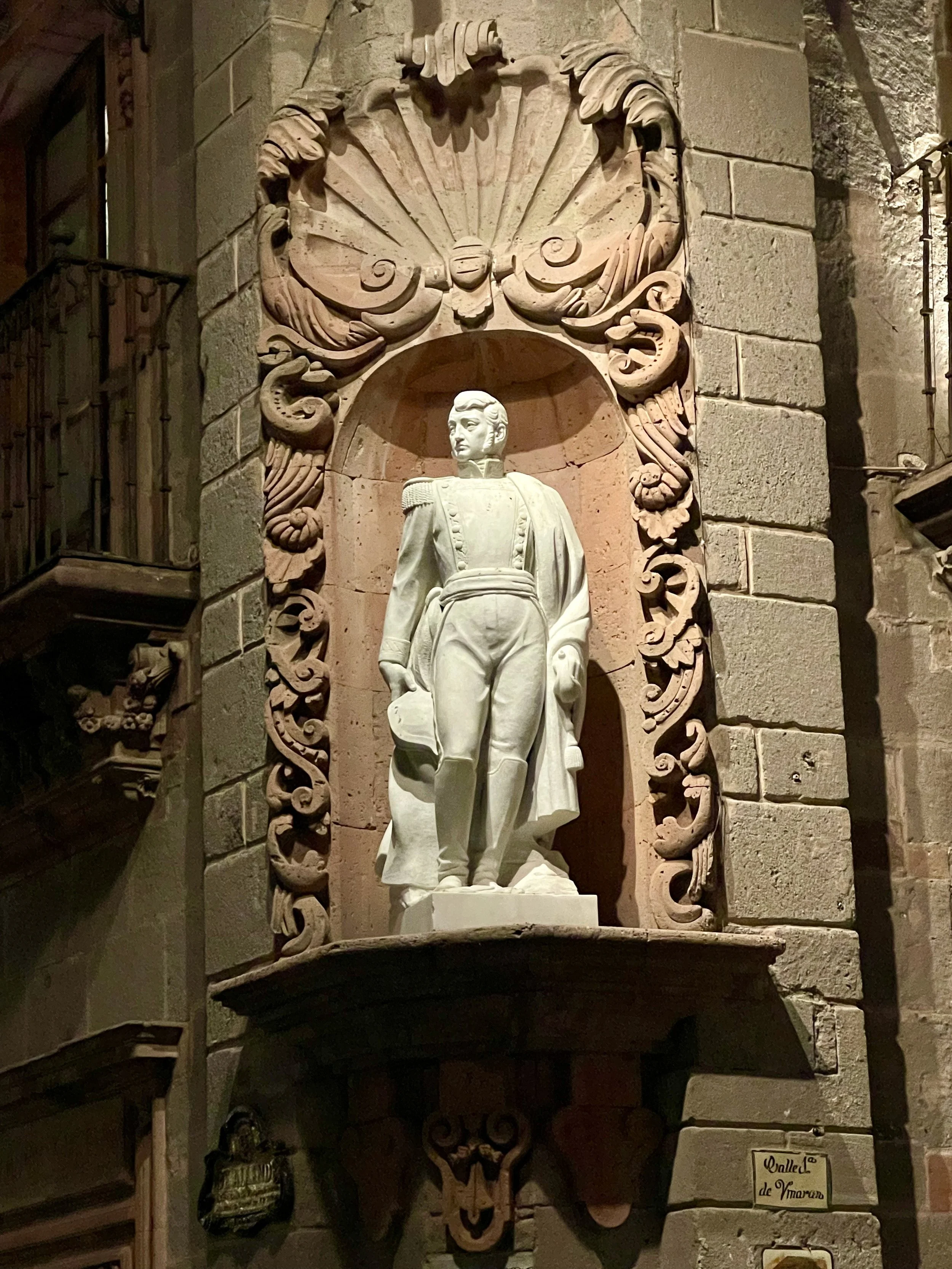
Statue of Ignacio Allende, San Miguel has a series of these wall niches, each featuring historical or religious figures
In 1826, the town’s name was modified to San Miguel de Allende in honor of Ignacio Allende.
For travelers today, that “de Allende” is more than a label—it’s a clue: this was not only a colonial town, but a town that helped give birth to a nation.
Late 1800s into the Revolution: modernization—and then decline
Like many Mexican towns, San Miguel experienced waves of boom and bust. There were periods of modernization in the late 19th century (infrastructure projects and renewed economic life), but broader regional shifts and political upheaval cut deep. By the early 20th century, San Miguel’s fortunes had faded; it was no longer a central economic engine the way it had been.
And here’s the twist that makes San Miguel’s modern story so compelling: the very decline that could have erased it also helped preserve it. When rapid industrial development doesn’t steamroll the historic core, a town sometimes gets to keep its bones.
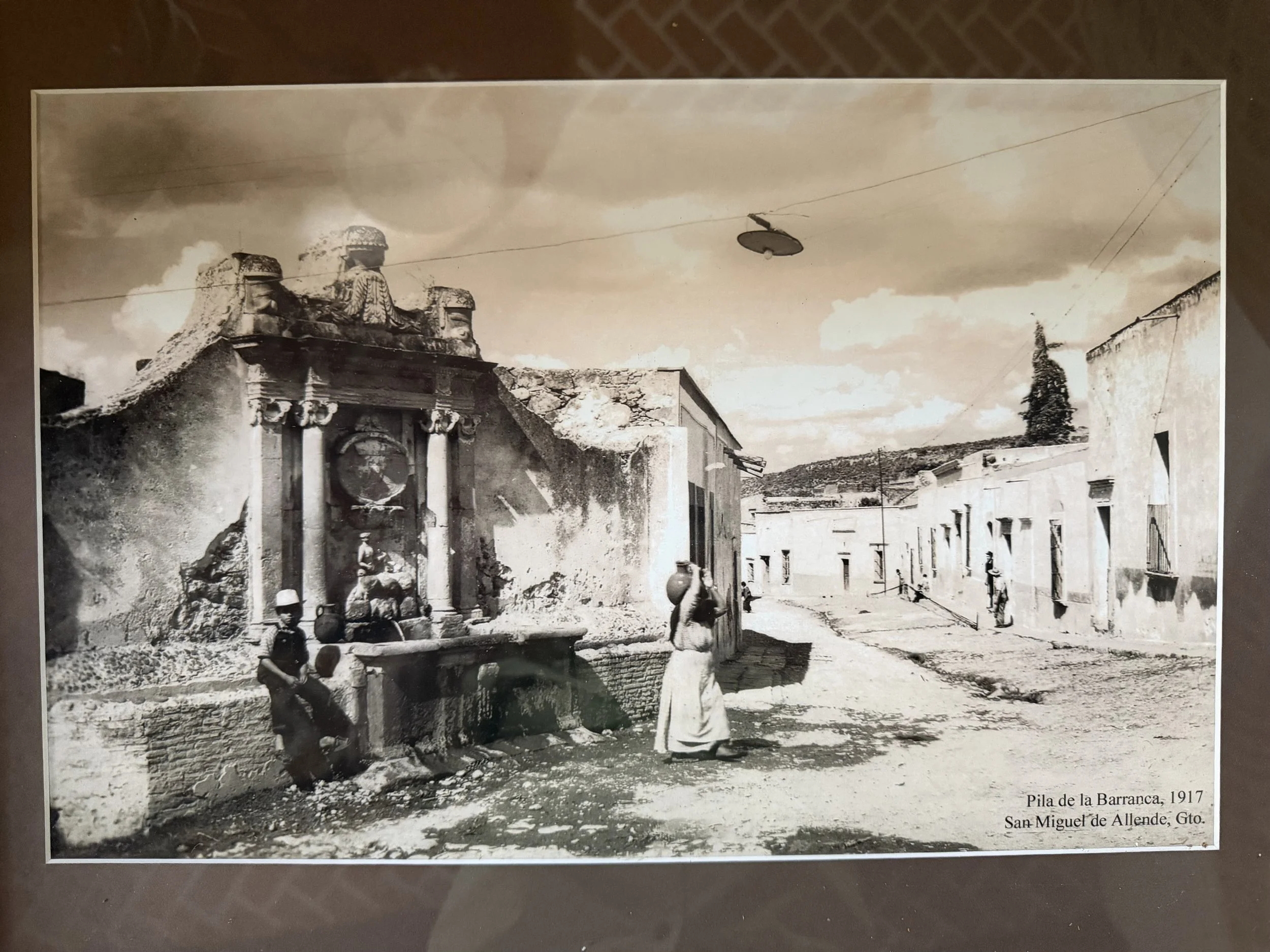
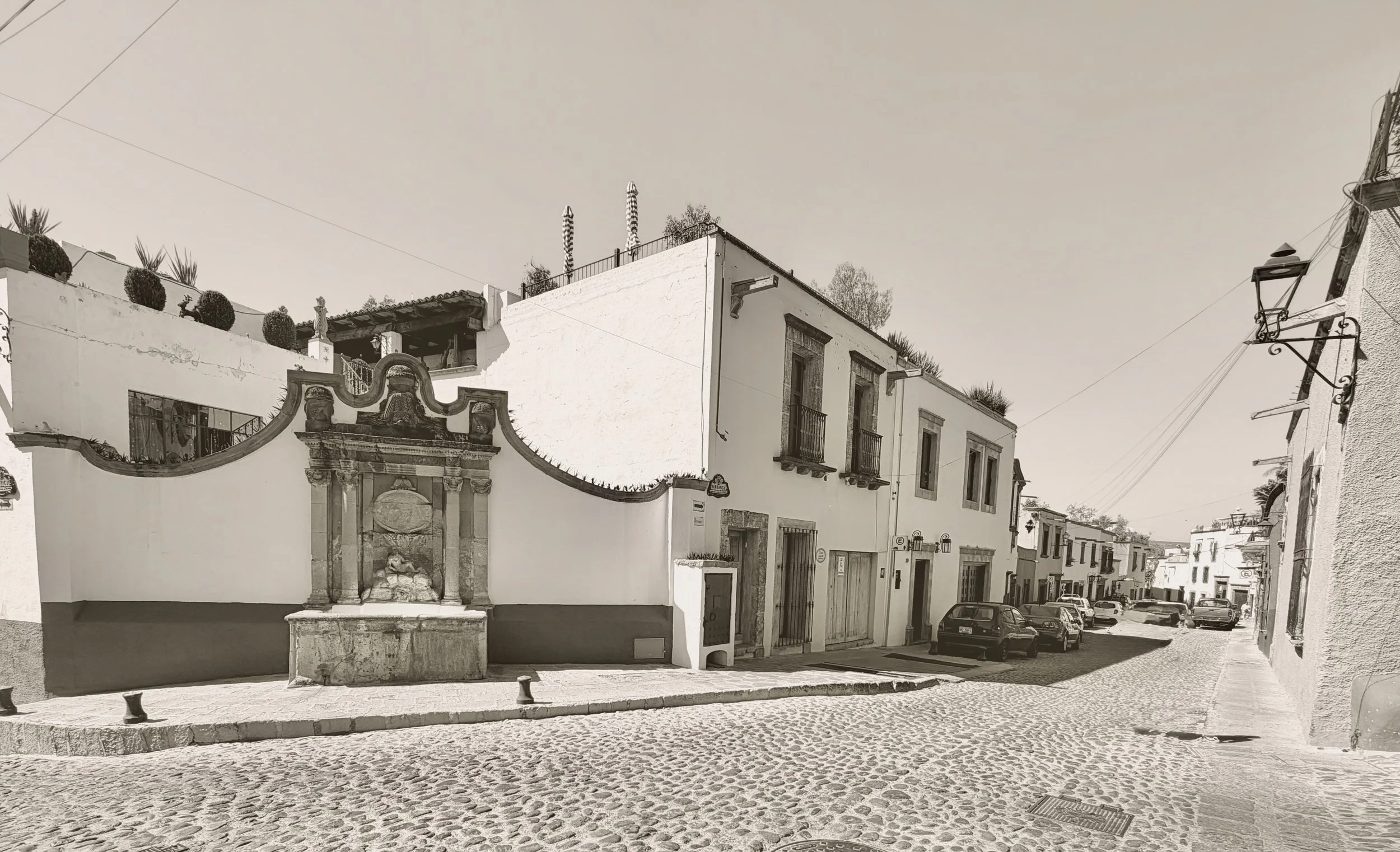
The 1930s–1950s: the artists arrive, and everything changes
San Miguel’s “second act” begins with art.
In the late 1930s, arts education took root in town—most notably with the art school known locally as Bellas Artes (Escuela de Bellas Artes / Centro Cultural El Nigromante). In the following decades, creative institutions and promoters helped position San Miguel as a place where artists could study, work, and live affordably.
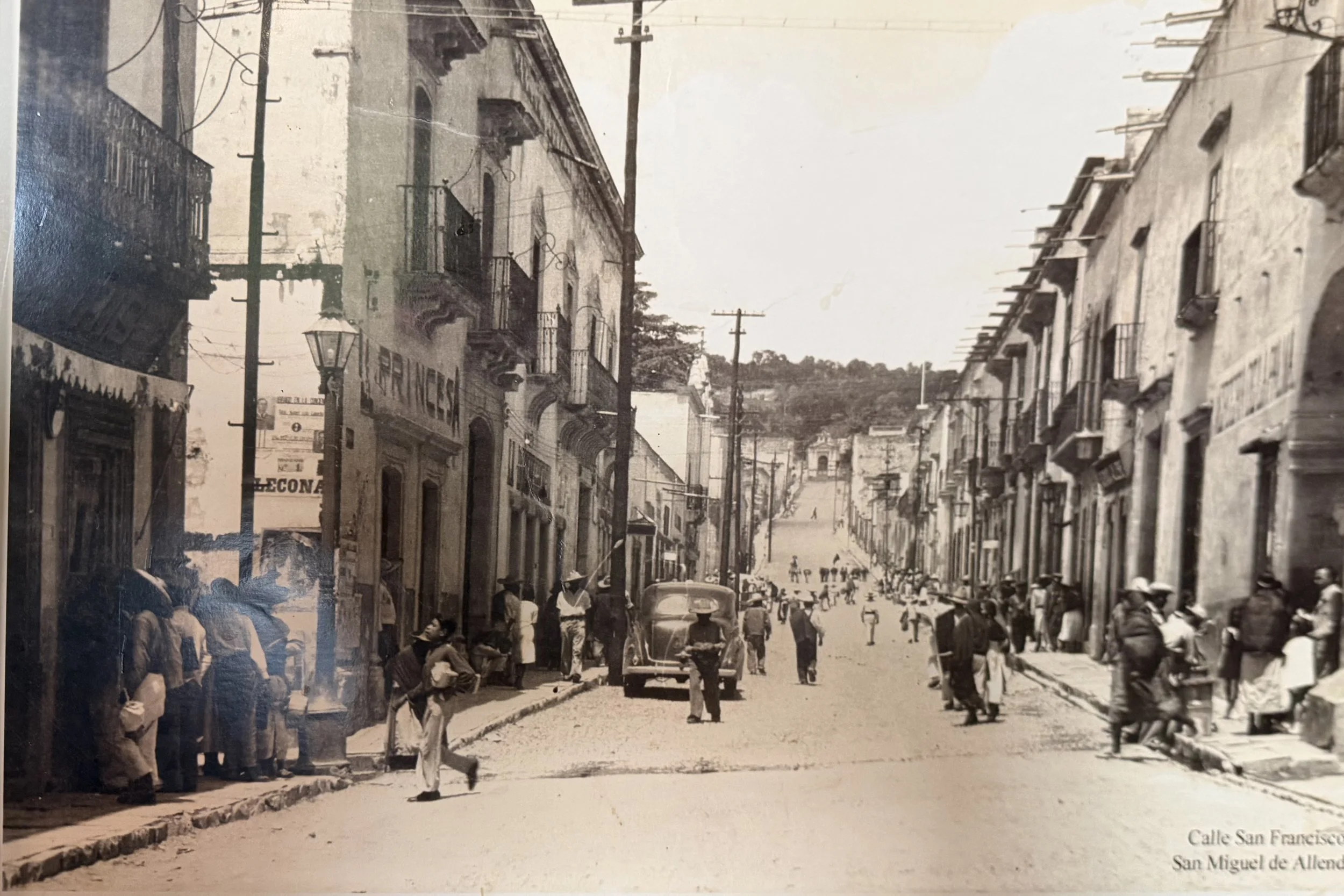
Calle San Francisco, 1944, San Miguel de Allende, Gto.
After World War II, the story accelerates. A famous Life magazine feature (often remembered through later reporting) portrayed San Miguel as a “G.I. Paradise,” and the city began attracting thousands of veterans and creatives looking for an inexpensive, inspiring place to study and build a life. Smithsonian reporting notes that more than 6,000 veterans applied to the school after that mid-century publicity.
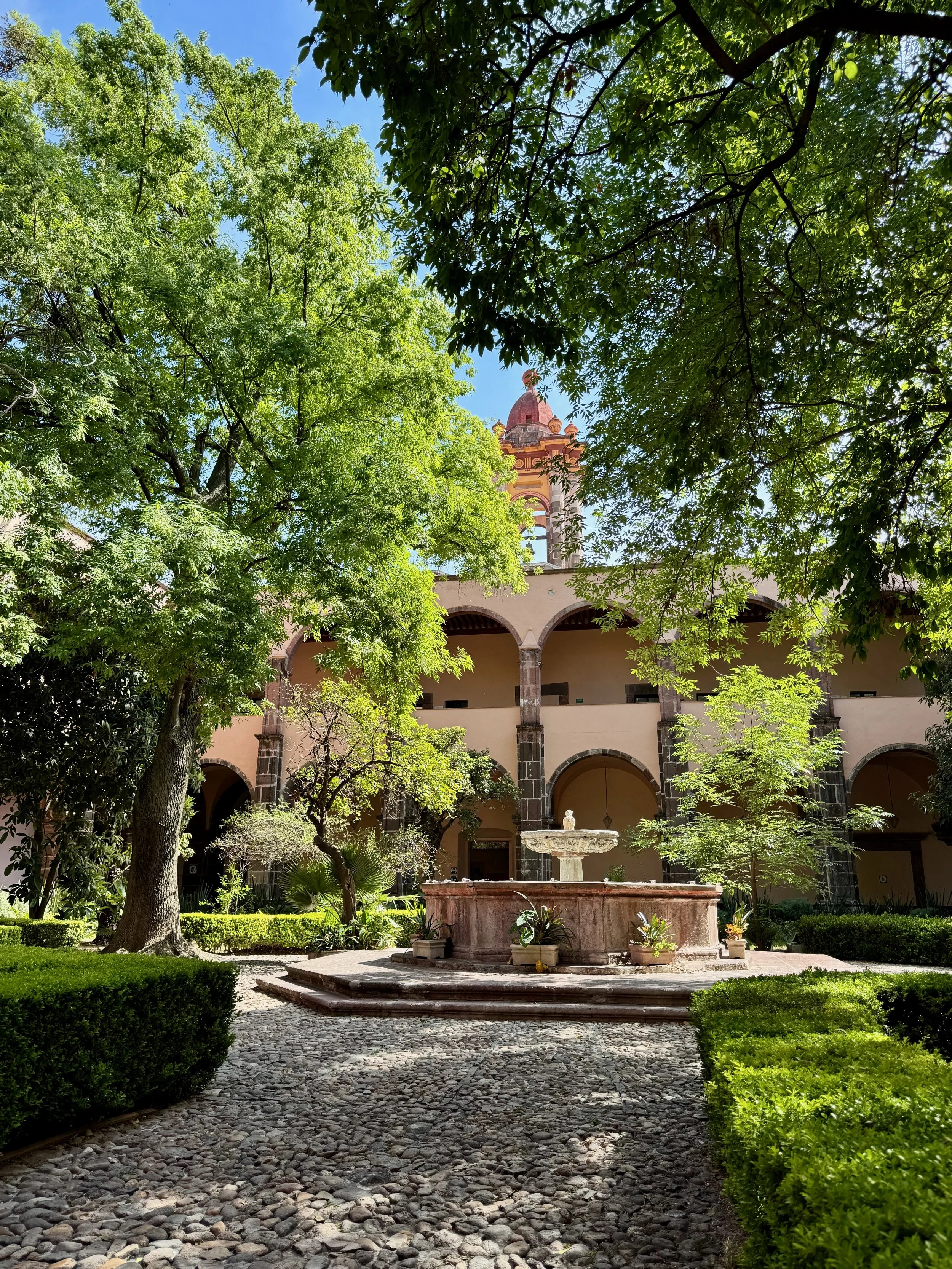
Instituto Allende
The Instituto Allende became one of the names most associated with this era, tied to the city’s rise as an international arts destination.
If you’ve ever wondered why San Miguel has such a deep bench of galleries, workshops, murals, and design-forward spaces today, this is why: the arts weren’t added on top of the town—they became a key driver of its rebirth.
Preservation and UNESCO: protecting what makes San Miguel… San Miguel
As the town gained attention, preservation became a defining theme. Protective policies and heritage efforts sought to maintain the cohesive colonial character of the historic center—those visual rules that keep new construction from clashing with old stone, and renovations from erasing traditional forms.
In 2008, UNESCO inscribed the Protective Town of San Miguel de Allende and the Sanctuary of Jesús Nazareno de Atotonilco on the World Heritage List, recognizing both the city’s cultural interchange and its architectural significance.
For a traveler, this matters in a practical way: UNESCO status isn’t just a badge—it tends to reinforce conservation, guide restoration standards, and keep the historic core recognizable across time. It’s a big reason San Miguel can feel “authentic” even as it becomes more international.
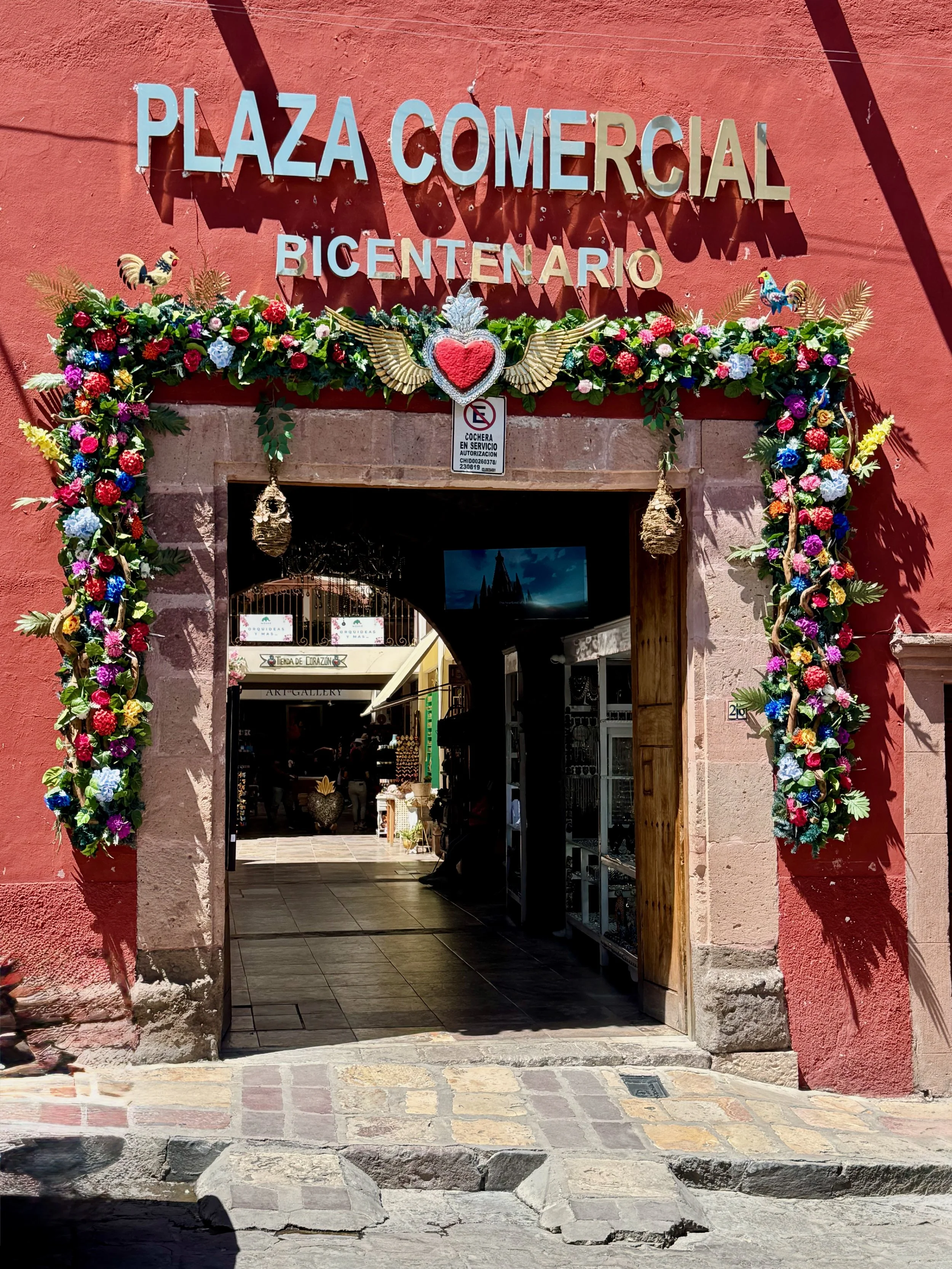
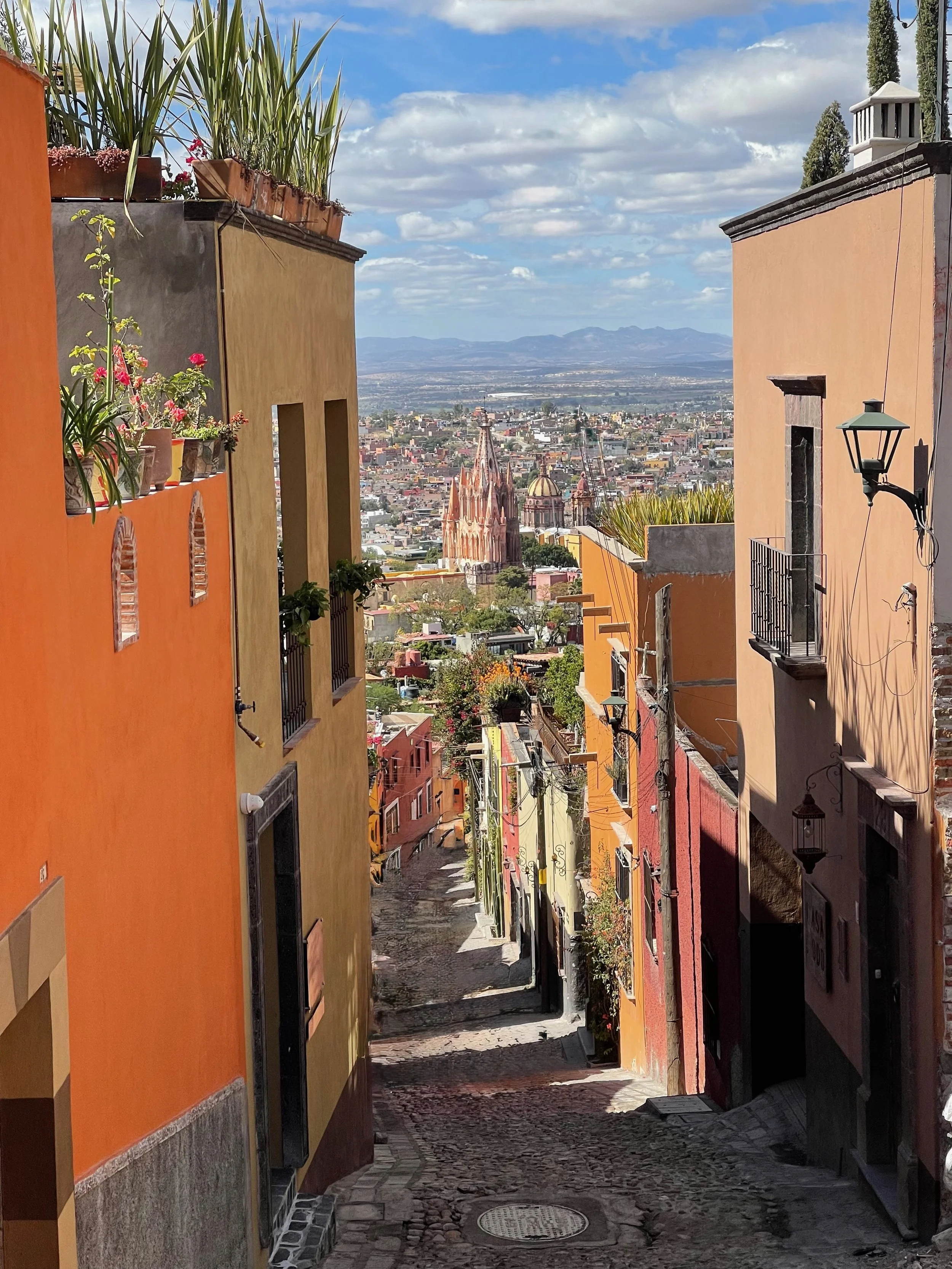
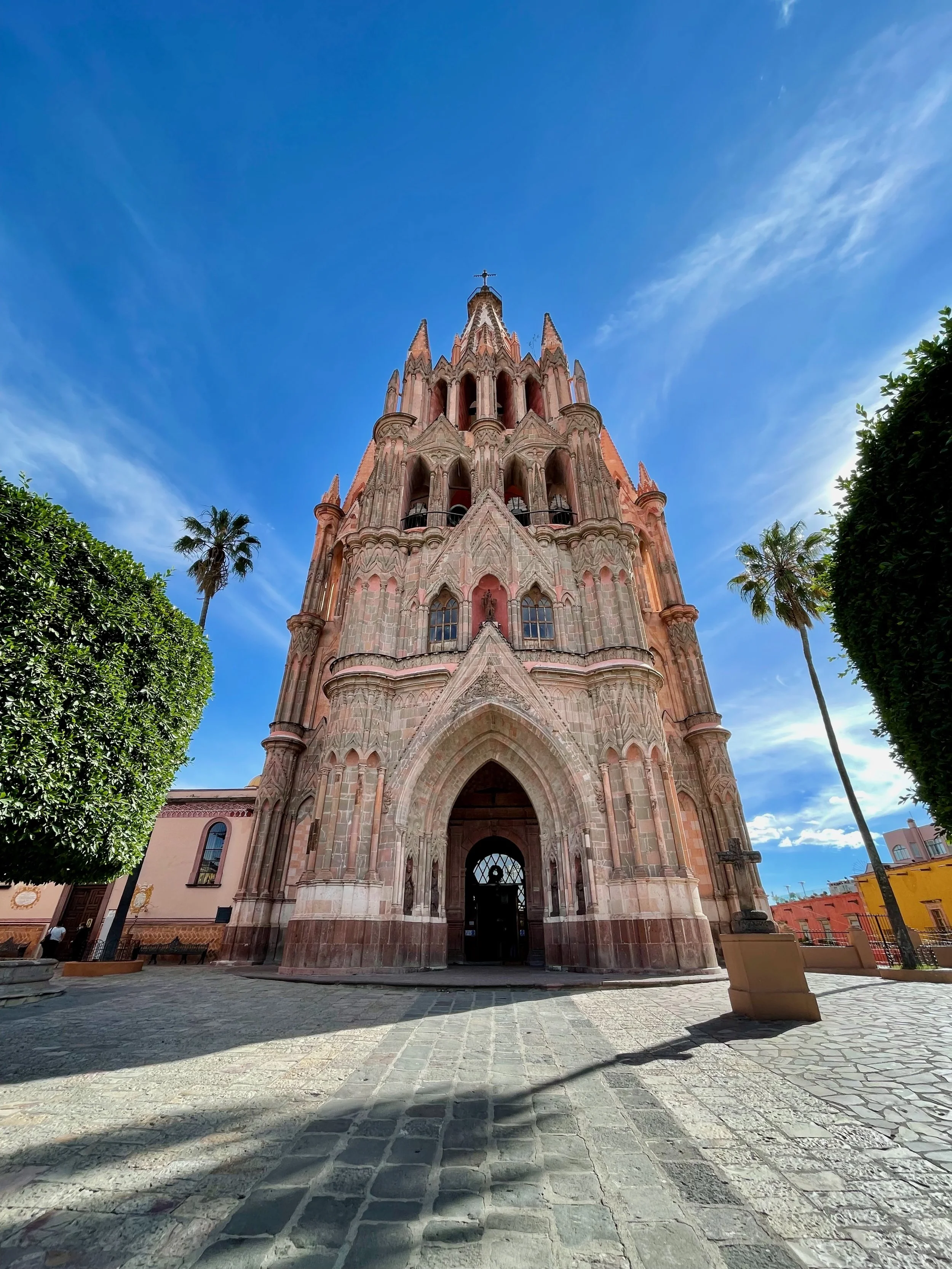
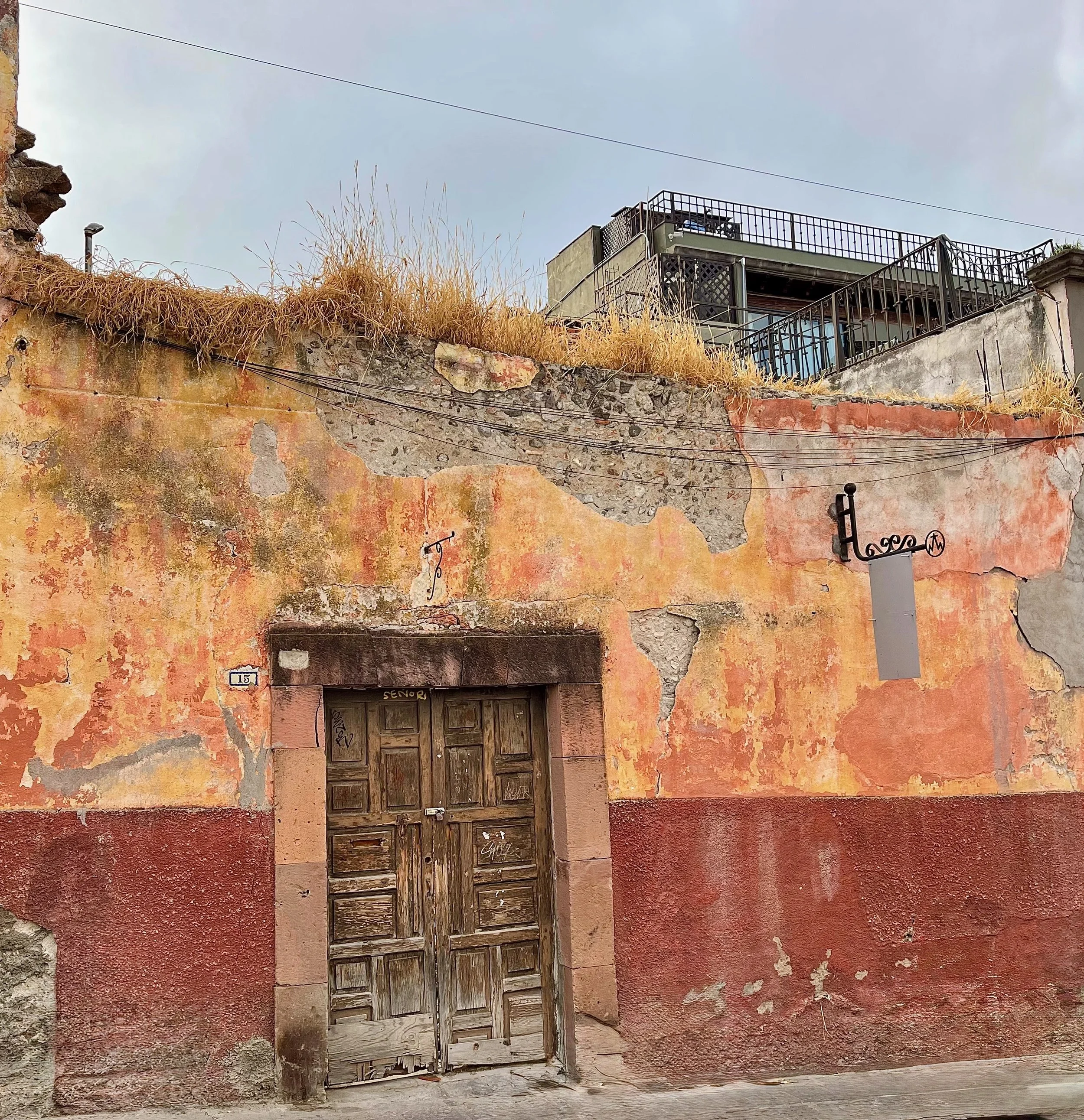
San Miguel today: a travel destination built on layers
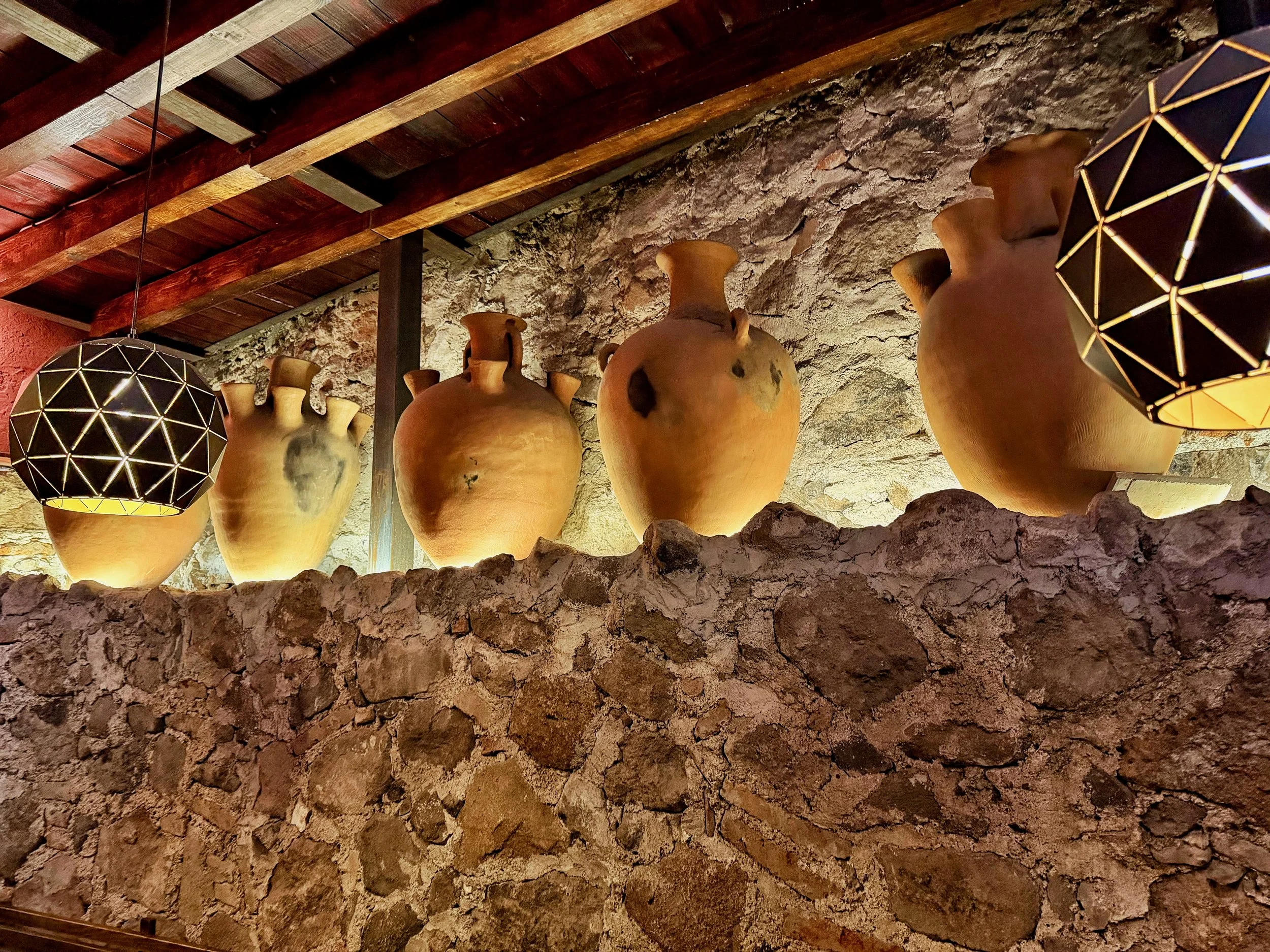
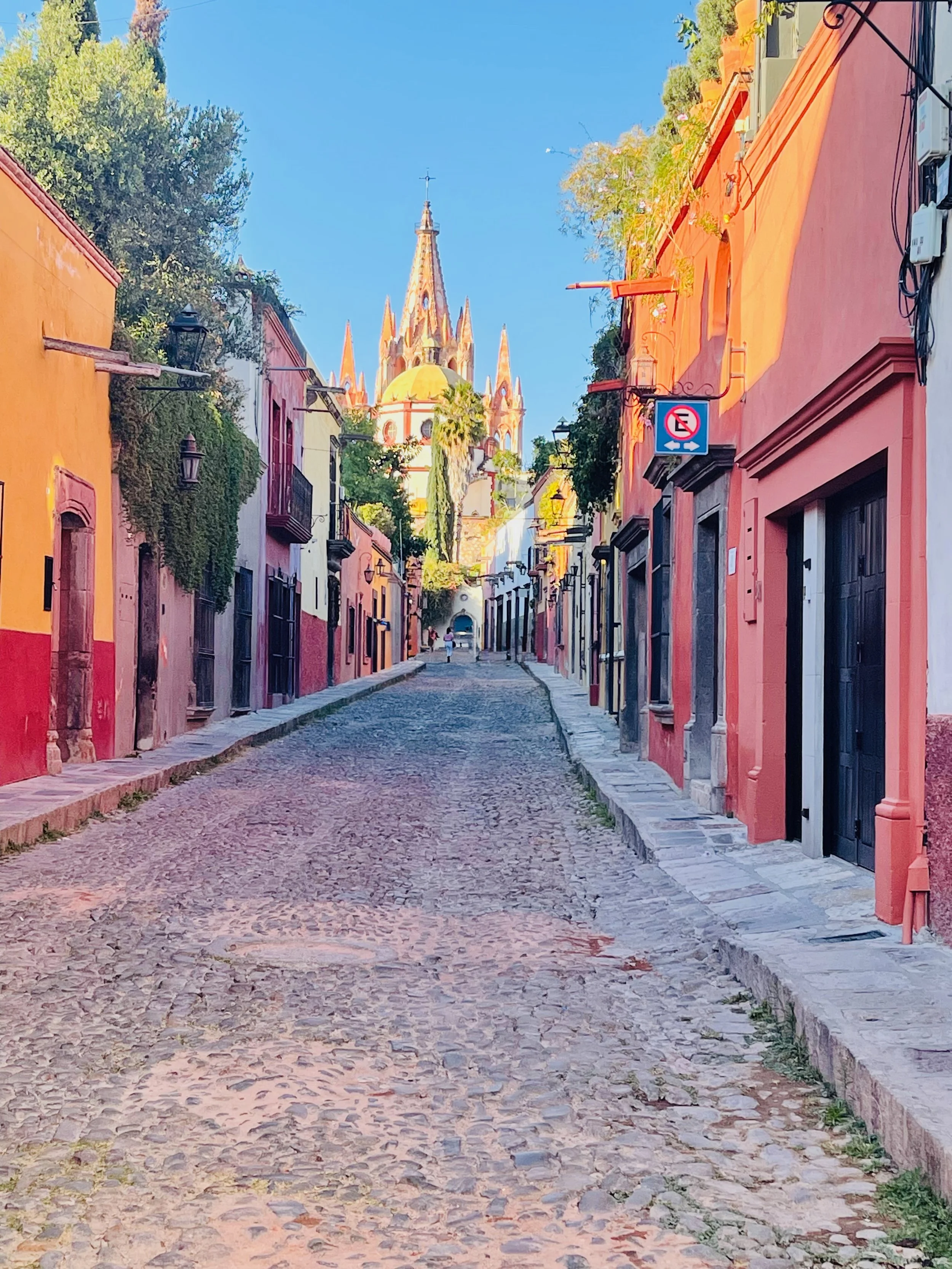
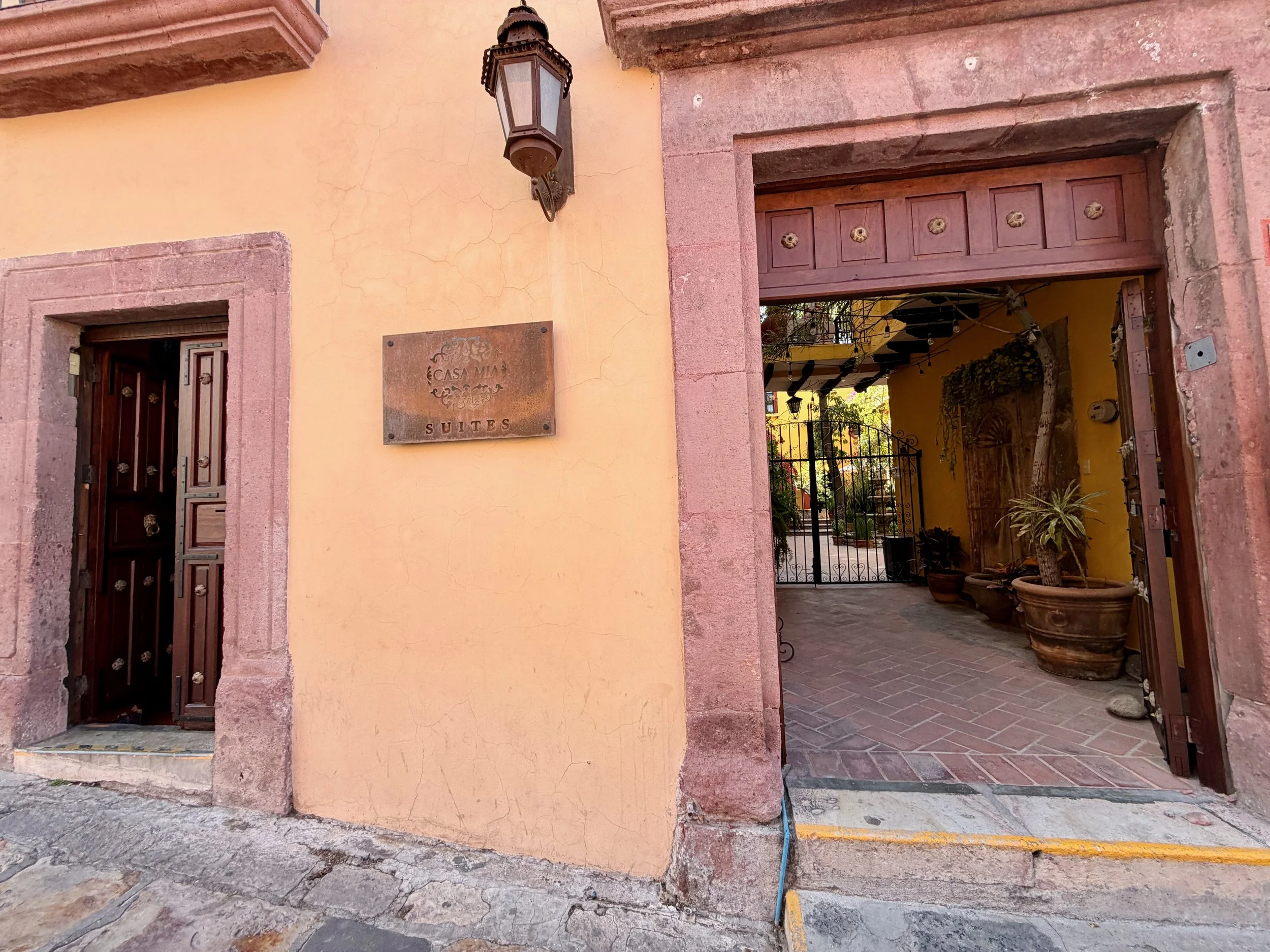
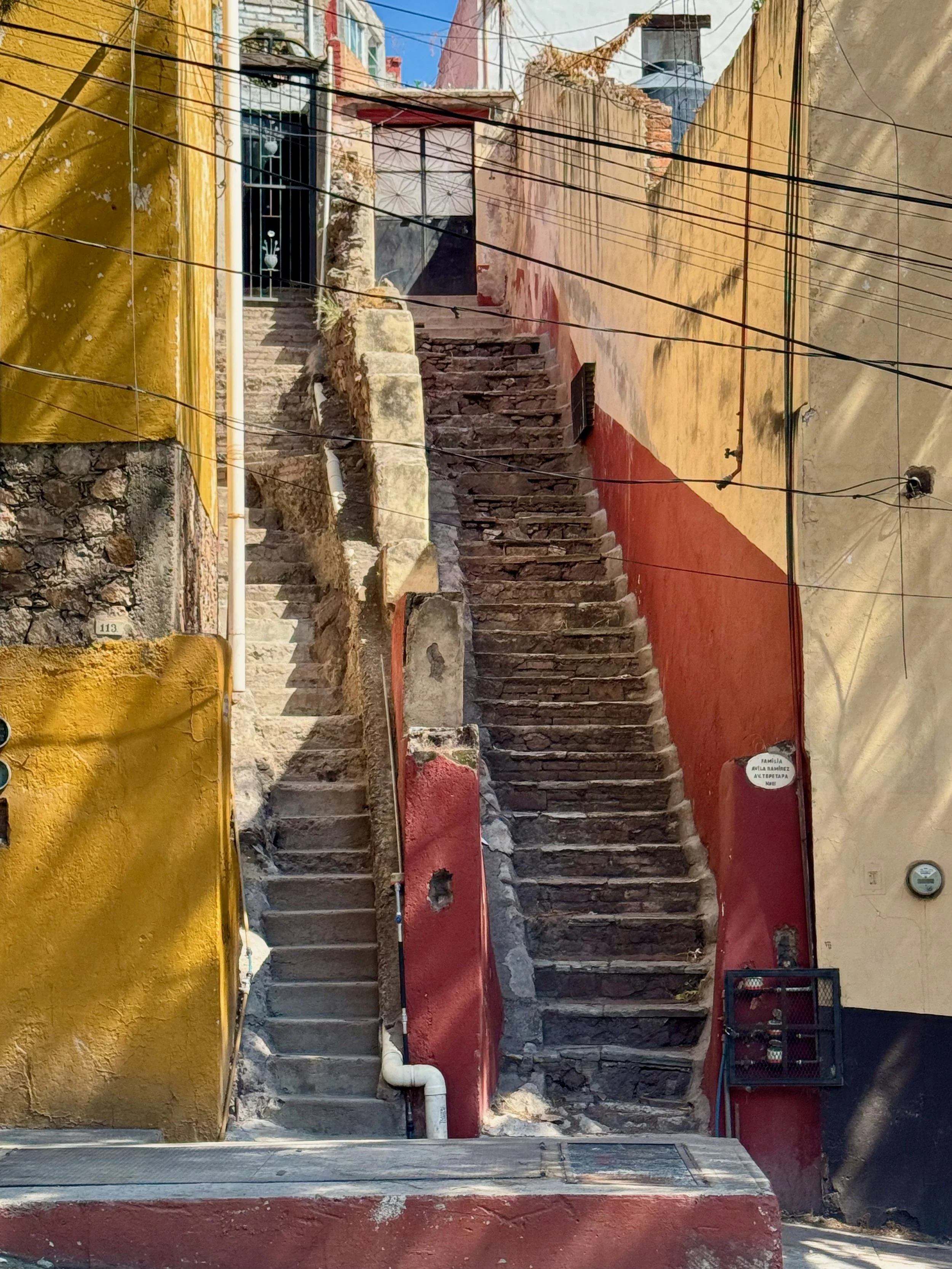
Modern San Miguel is a blend of living Mexican city and global crossroads. Its economy is increasingly tied to tourism and the creative industries, but it remains deeply rooted in central Mexican traditions—markets, religious festivals, family plazas, and daily rituals that still belong first to locals.
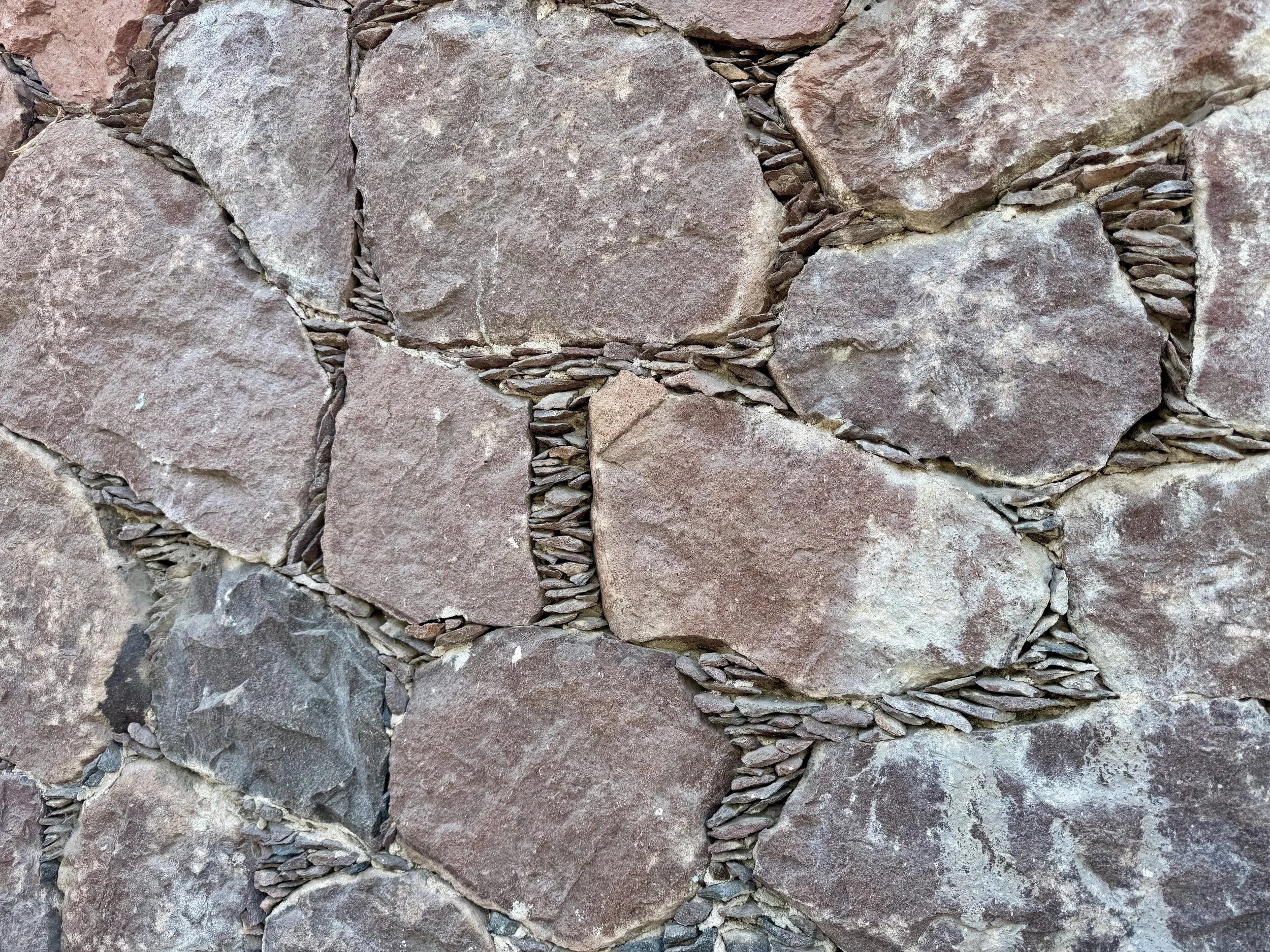
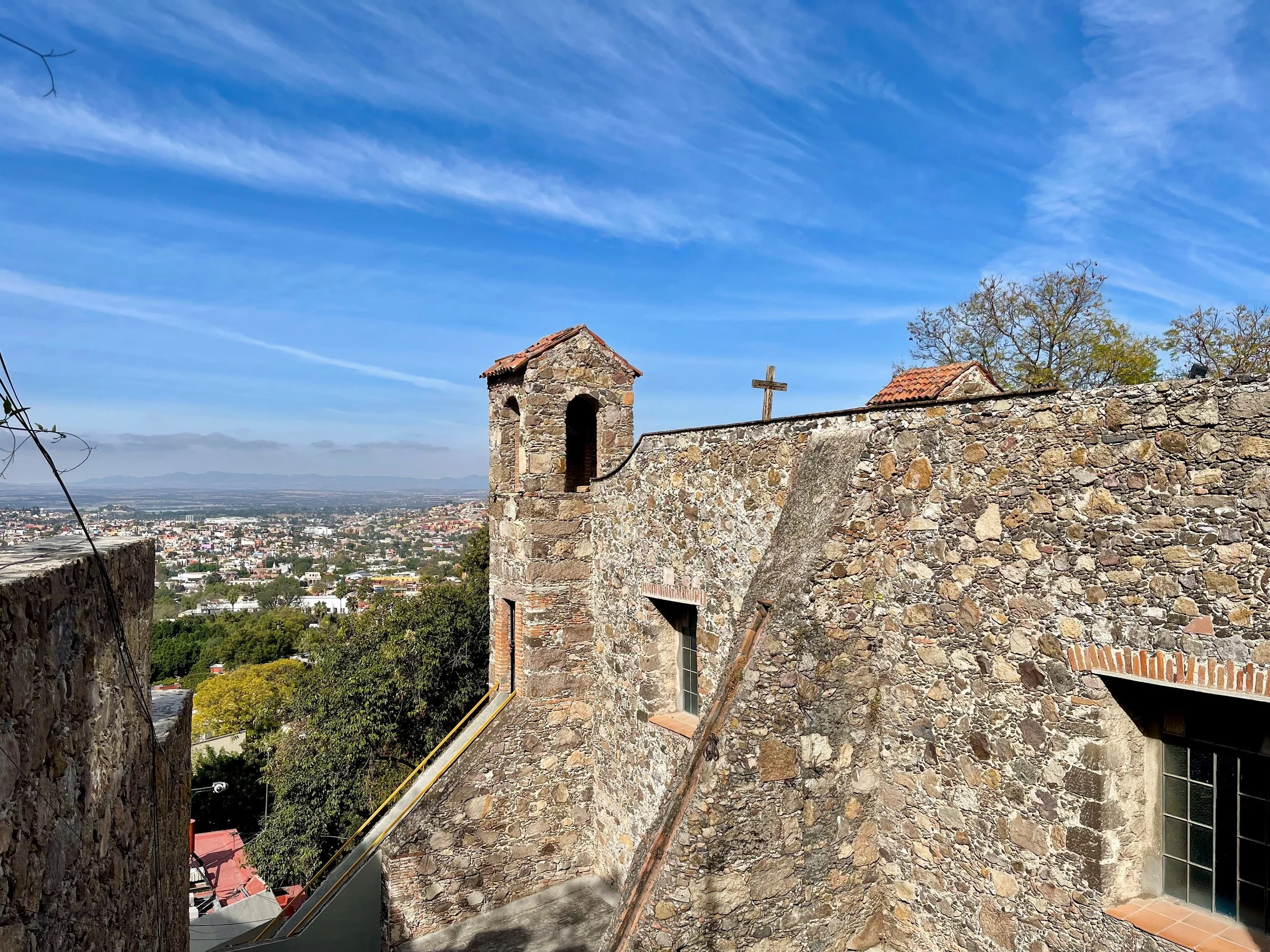
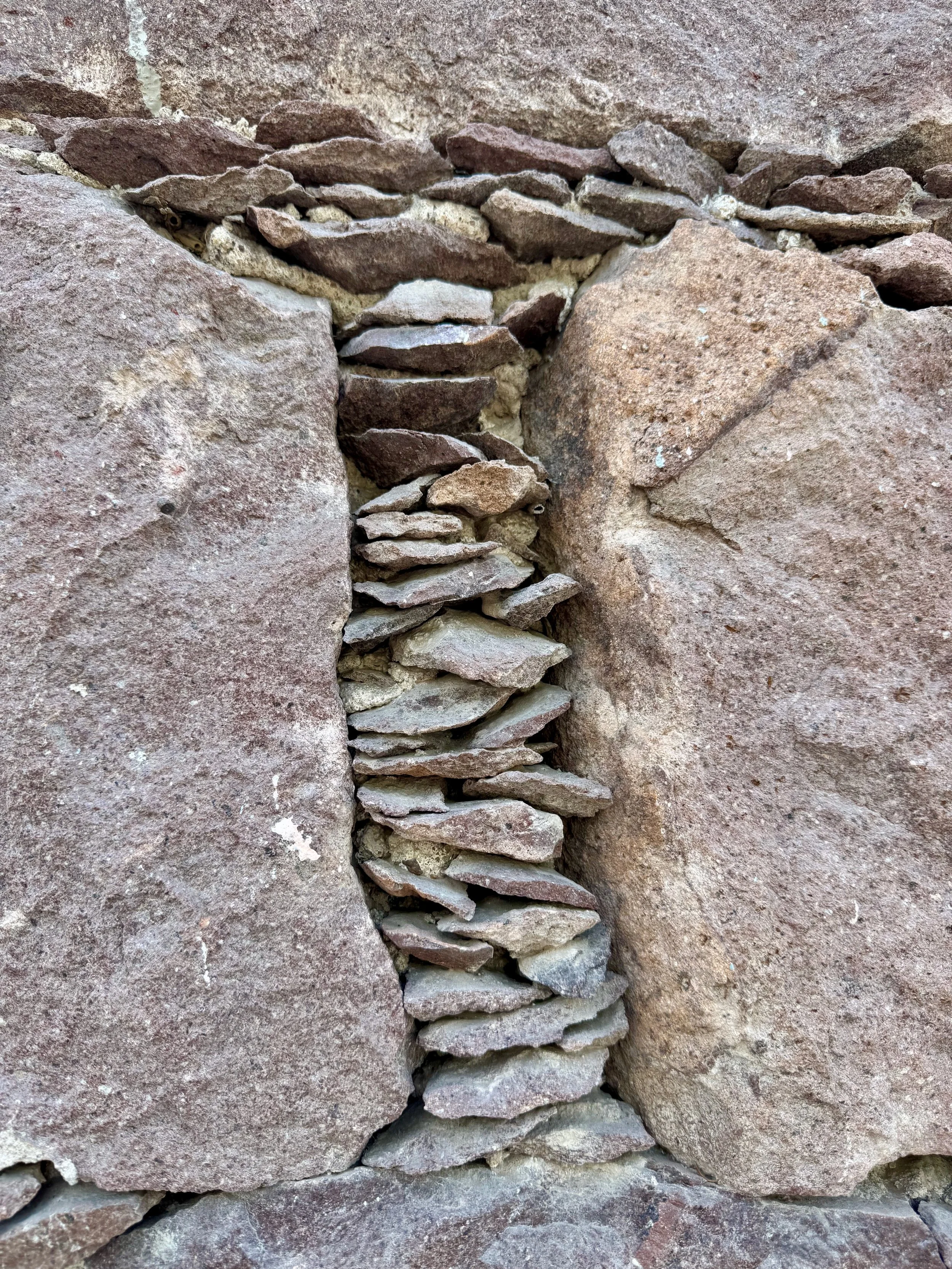
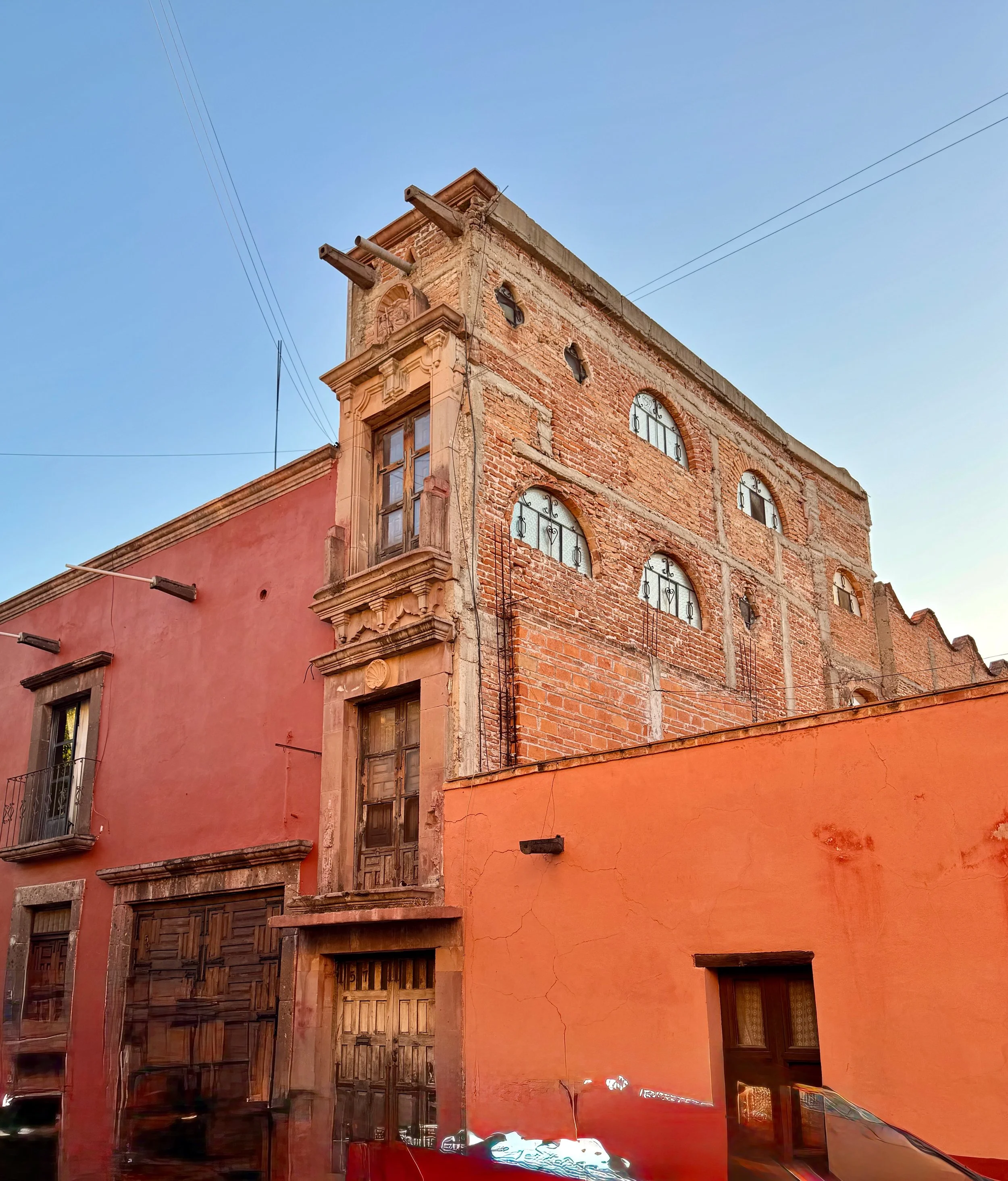
For visitors, the magic is that you can experience multiple centuries in one day:
Morning: coffee in a courtyard built around old stone walls that hint at 18th-century prosperity.
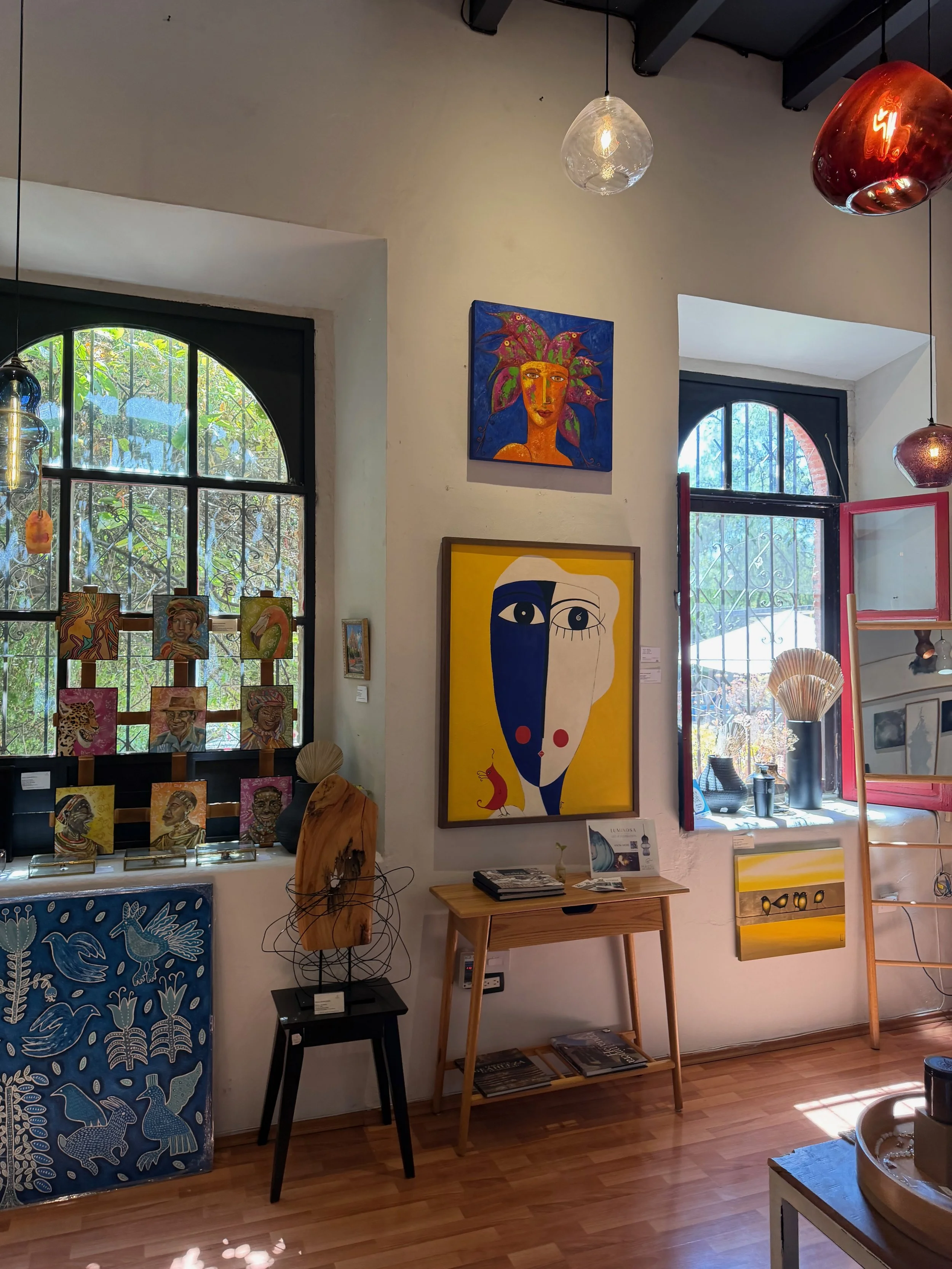
Afternoon: galleries and workshops that echo the postwar art boom.
Evening: a plaza that has witnessed everything from colonial processions to independence-era tension to modern festivals.
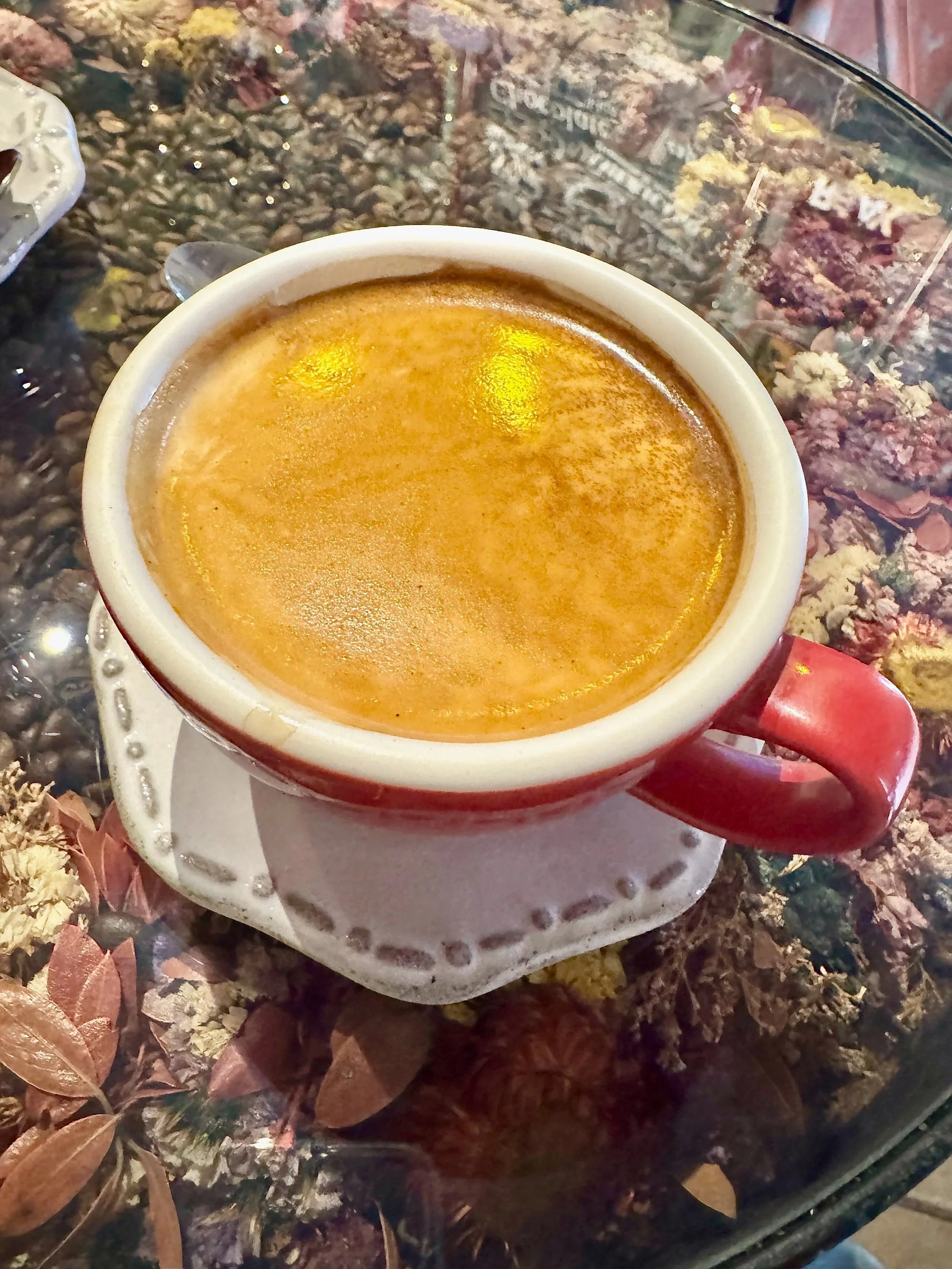
Evening…
Sources
UNESCO World Heritage Centre — Protective town of San Miguel and the Sanctuary of Jesús Nazareno de Atotonilco (List entry and decision text).
Encyclopaedia Britannica — San Miguel de Allende | Mexico, Map, History, & Facts.
Smithsonian Magazine — Under the Spell of San Miguel de Allende (postwar “G.I. Paradise” / arts influx context).
Mexico News Daily — The history of the Instituto Allende (arts-institution history context).
Instituto Allende — Our History (institution perspective on local historical arc).
Wikipedia — background chronology and key dates (used as a secondary overview and cross-check).
Old Photos—liderempresarial.com